Categories
Learn

The ultimate guide to Bordeaux En Primeur

  • Bordeaux En Primeur is a system where wine is purchased while it is still maturing in barrel, typically 18 months before bottling and delivery.
  • The system operates through a unique network of brokers and merchants known as La Place de Bordeaux.
  • Successful participation in the campaign requires a data-led approach, focusing on the relative value of new releases compared to available back vintages.

What is En Primeur wine buying?

En Primeur, also known as wine futures, is the shorthand for an ecosystem of wine producers, negociant, and merchants that allows consumers and investors to buy wine while it is still in the barrel, before the final bottling takes place. 

While other regions do offer En Primeur purchases, the system is best known in Bordeaux. Grapes for the Bordeaux wines are harvested in the autumn and the young wine is offered for sale the following spring. In practice, this means that the 2026 En Primeur campaign is for the 2025 vintage, 2025 En Primeur was for the 2024 vintage etc.

At this stage, the wine is sold while it is a work in progress, unfinished, unblended and still requiring further ageing in the chateau cellars before being bottled and shipped.

Buyers pay a specific release price for the wine, which can be the lowest price the wine will ever see. This is dependent on the chateaux and negociants setting a sensible entry point and markets holding steady or improving. Once purchased, the wine remains at the estate until a few months after it is bottled, which usually happens 18 months to two years after the harvest. 

A short history of Bordeaux wine futures

Like everything in Bordeaux, the roots of the En Primeur system stretch back but the widespread adoption of modern En Primeur sales has its origins in the early 1970s.  

The establishment of En Primeur was prompted by global recession and cash flow issues caused by the 1973 oil crisis. After poor sales of the 1973 and 1974 vintages, merchants and producers were badly in need of money and with 1975’s samples well received, the wine trade found a way to bring forward revenue and sell wines early, funding the next year’s production and labour costs without waiting for the wine to mature.

It was only with later vintages that the economic advantages of En Primeur buying became clear to investors.

How the En Primeur system operates today

The Bordeaux En Primeur market is governed by La Place de Bordeaux and involves three primary players: chateaux, courtiers and negociants. 

  • Chateaux are the winemakers.
  • Courtiers are brokers who act as middle men distributing the wine to a handful of B2B merchants in Bordeaux known as negociants.
  • Negociants then sell the wine to merchants across the globe who in turn sell to their clients.

Chateaux rarely sells directly to retailers or private clients. Instead, they release allocations to a small group of courtiers who then sell them to a slightly larger group of  negociants in France. Even when a chateau has a strong relationship with a merchant like WineCap and wants to guarantee them allocations, that transaction will still go through a negociant.

Every April, the world’s wine trade descends on the city of Bordeaux for the primeur tastings, with journalists, importers, and merchants spending a manic week tasting hundreds of barrel samples often on multiple occasions to assess the quality of the new vintage. Based on these assessments and the general economic climate, the chateaux release their prices over several subsequent weeks, generally through May and June with negociants simultaneously offering dozens of wines to international merchants, who sell to private clients.

Which UK merchants offer En Primeur?

Most reputable fine wine merchants in the UK participate in the annual campaign. This includes historic firms and modern investment platforms. In a high-quality oversubscribed vintage, retailers compete for allocations of the most sought-after wines, with those that buy most broadly getting priority. In poorer vintages, the balance of power shifts with negociants working harder to place their wines. When selecting a merchant, it is vital to choose one with a proven track record, as you are essentially buying a promise of future delivery.

Buying En Primeur with WineCap

Even if you consider yourself a drinker rather than a collector, looking at wine through an investment lens is beneficial. WineCap’s perspective focuses heavily on relative value and our approach is data first. We believe that a purchase should only be made when there is a clear advantage to doing so. In the En Primeur market, this means carefully analysing whether a new release is actually priced better than an available comparable back vintage. 

Thinking about fine wine with an investment perspective will help ensure you get the best value for money from your purchases, even if your end goal is drinking pleasure. Speak to one of our wine investment experts 

How to evaluate En Primeur opportunities

Evaluation begins with critic scores from major platforms and critics like Neal Martin and Antonio Galloni at Vinous, William Kelley and Yohan Castaing at Robert Parker’s Wine Advocate, James Lawther at JancisRobinson.com, Jane Anson or Lisa Perrotti-Brown MW.

The key is to compare the release price of the new vintage against the current market prices of comparable physically delivered back vintages. If a physical wine from a great year like 2019 is available at a similar price to a new release of similar quality, the financial argument for the newer wine is weak.

You need a compelling reason to buy a wine that is less affordable than a comparable vintage already sitting in a warehouse, vintage reputation is a major factor but investors should always be selective. This is particularly the case in vintages where quality varies significantly between estates. In those years, you must focus on specific successes rather than the vintage as a whole. Early on, it looks like the high-quality 2025 vintage will be one of them.

Benefits of buying wine En Primeur

One primary benefit of buying wine En Primeur is guaranteed access in the formats you are looking for. For the most famous chateaux, allocations can be tight and buying wine futures may be the only way to secure a case of the top labels at opening prices. In especially strong vintages releases for a specific wine may come in several tranches often with later tranches being made available at higher prices: the wine trade’s version of dynamic pricing. WineCap would typically not recommend buying second or third tranches. 

Another major advantage is the ability to request non-standard formats. You can order half bottles, magnums, double magnums, or even larger formats at the time of purchase. These formats can be harder to find on the secondary market once the wine is bottled, so if you’re looking for a large format of wine to drink in 20+ years to celebrate an anniversary or the birth of a child, En Primeur may be especially attractive. This is especially important if you are in a wine market where availability is lower and prices higher than in the major markets of the UK and EU.

When the wines are priced correctly, En Primeur can be the best price the wines will ever be. Finally, buying pre-bottling ensures perfect provenance as the wine moves directly from the chateau to a bonded warehouse in an unbroken chain of custody.

Finding price lists and reports

To stay informed on En Primeur, you should subscribe to newsletters and offers from reputable merchants. These provide real time updates on releases and pricing. Major review platforms are key for technical data such as vintage reports and professional critic scores, although merchants will share those with their clients. Critics spend weeks in Bordeaux tasting hundreds of samples to produce the reports that form the market’s understanding of the vintage quality and how it is likely to evolve over time.

Key factors for consideration

Brand power is the most significant indicator of future liquidity. Names like Chateau Latour or Chateau Cheval Blanc have global demand that protects their value, and search rankings on websites like Wine-searcher provide an excellent proxy by which collectors and investors can understand this. 

Overall vintage quality and pricing will dictate the general market mood, but you must also consider the liquidity and quality of the specific label. Some wines are easy to sell at any time, while others may take much longer to find a buyer. Past performance of the estate is also a useful metric.

A good merchant such as WineCap will synthesise all this data before making recommendations to their clients. Speak to one of our wine investment experts.

Risks of buying wine En Primeur

The most obvious risk is that the final quality may not reflect early critic reviews i.e. a wine that scored highly in barrel may not show as well once it is in the bottle. En Primeur scores are generally given in a range, normally of two to three points to reflect this uncertainty.

Prices may also fall. If a chateau releases its wine at too high a cost, the market may reject the price, leading to lower values when the wines become physical and secondary market trading begins in earnest. 

There are also macro-economic considerations. General market volatility can impact luxury assets although that tends to be less significant and delayed for fine wine, and the broad economic climate and the cost of money may impact demand.

Currency fluctuations and fixed prices

Buyers often worry about currency moves between release and delivery; however, for a UK client, changes do not affect the original purchase. You have committed to buy the wine at a fixed price in GBP at the time of the offer and in return your price is fixed so you should not be concerned about changes in exchange rate between the point of purchase and the point of delivery. 

Subsequently a weak pound can sometimes make UK-held stock more attractive to international buyers, potentially increasing its value.

Storage and delivery logistics

When you buy En Primeur, the price you pay is normally ex-VAT and duty. This means the wine is held in bond once it arrives in the UK. The wine will be delivered to a professional bonded warehouse, such as Octavian or LCB, roughly two years after the campaign. 

At this point, you can choose to keep the wine in bond to preserve its investment potential, avoiding the immediate payment of VAT and excise duty. Unless you are able to cellar the wine properly yourself this is normally the best decision as it ensures the wine ages in benign conditions.  

Another less frequently mentioned benefit of in-bond storage is that the necessity of arranging to have a wine delivered to you means more intent is required before consumption. That is to say, you are less likely to drink on a whim and more likely to wait until the wines are at a point where they are truly ready to enjoy before pulling corks. 

Recommended wines for long-term cellaring

Almost any wine released En Primeur will be suitable for at least a few years of ageing. Even relatively humble estates like Chateau Laroque, Les Cruzelles, and Chateau Cantemerle will easily age and improve over the course of 10-20 years and provide excellent drinking pleasure. Top-tier estates, including the First Growths and their Right Bank peers, are built to allow 40 to 50 years of development in a good vintage although they can be enjoyed sooner.

FAQ: Bordeaux En Primeur

Can I buy En Primeur wines online with UK delivery? 

Yes, most UK merchants allow you to purchase online but it’s always a good idea to engage with your account manager ahead of time, especially if you have specific wines of formats in mind. Physical delivery to your home only occurs once the wine is bottled and the duty and VAT have been paid.

What is a negociant?

A negociant is a wine merchant that operates business-to-business offering wines for sale to retail partners operating business-to-consumer.  

When do new vintage En Primeur campaigns typically start? 

The main Bordeaux campaign begins in the spring, usually starting in mid-late April with the tasting week, with prices following in May and June. It is rare that a campaign goes beyond July, but it has been known to happen.

Which regions are most known for their wine futures offerings? 

Bordeaux is the pioneer and by far the best known, but Burgundy, the Rhone, and some producers in Tuscany and California also offer wines En Primeur.

Is buying En Primeur a guaranteed investment?

No, it is not a guaranteed return. Success depends on the quality of the vintage, the value of the release pricing compared to back vintages and market sentiment.

WineCap’s independent market analysis showcases the value of portfolio diversification and the stability offered by investing in wine. Speak to one of our wine investment experts and start building your portfolio. Schedule your free consultation today
Categories
Learn

Is buying early always the best investment?

  • The common concept in fine wine investment has been that buying early (at release) often translates into the best possible price.
  • The concept has its roots in Bordeaux’s En Primeur system but the principle has been challenged in the last decade.
  • Ageing potential is important, but it is not the only factor in price performance.

Timing is crucial when it comes to almost every decision. While not all investments have a lifespan, some do – and fine wine is a prime example of a perishable good that evolves, peaks and declines in quality and value. 

The common concept in fine wine investment has been that buying early or at release often translates into buying at the best possible (lowest) price. Recent Bordeaux En Primeur campaigns have worked against this principle. Individual wine indices, such as those on Wine Track also show that the price performance of a wine is driven by numerous factors beyond age. The value arc does not simply follow the life cycle of the product but responds to demand, critic scores, and brand popularity among other factors.

So, is buying early always the best investment? The answer, as we’ll see, is far more nuanced.

The origins of buying early: Bordeaux En Primeur

The concept of buying wine early has its roots in Bordeaux’s En Primeur system. Emerging in the post-war decades of the 20th century, it was designed to provide much-needed cash flow to châteaux, while offering buyers privileged access to top wines before they were bottled.

En Primeur still works broadly the same way today: buyers purchase wine in the spring following the harvest, while the wine is still ageing in barrel. Delivery follows one to two years later, once bottling has taken place.

For decades, this system benefitted both producers and buyers. Châteaux received upfront financing, while collectors and investors gained access to some of the most prestigious wines in the world at prices significantly lower than they would command once bottled.

The traditional promise of buying early

The original attraction of En Primeur was simple: buy early, secure allocations, and enjoy price appreciation once the wine is released to the wider market. In exceptional vintages like 1982, 2000, or 2005, those who bought early often saw spectacular returns.

For investors, the logic was straightforward:

  • Scarcity effect: Once the wine left the château, supply only diminished as bottles were consumed.
  • Pricing advantage: En Primeur pricing was historically lower than post-release retail.
  • Access to top names: For blue-chip estates like Lafite, Latour, and Margaux, early purchases guaranteed allocations that might otherwise be difficult to secure later.

In these circumstances, buying early equates to buying smart.

When buying early backfires

The past decade, however, has challenged this principle. Several Bordeaux En Primeur campaigns, most notably in 2017 and even 2020, saw release prices set so high that early buyers struggled to achieve returns. In some cases, wines could be purchased at equal or lower prices a year or two after bottling.

The reasons are clear:

  • Aggressive pricing by châteaux: A stronger global demand for fine wine has emboldened producers to set ambitious release prices.
  • Market corrections: Economic slowdowns, global trade disruptions, and shifting consumer preferences have softened demand after release.
  • Vintage variation: Lesser or more challenging vintages often lack the critical acclaim needed to sustain premium En Primeur pricing.

For investors, this has underscored the risk of assuming that ‘earliest means cheapest’.

What makes fine wine different from other assets

To understand why timing matters so much in wine investment, it’s important to recognise how wine differs from other asset classes:

  • Finite supply: Unlike companies that can issue more shares, every bottle consumed reduces global availability.
  • Physical lifespan: Wine matures and eventually declines; it is not a perpetual store of value like gold.
  • Quality peaks: Different wines have different drinking windows, meaning investors must consider not just price but also maturity and market timing.
  • Luxury demand drivers: Beyond fundamentals, fine wine is influenced by critic scores, branding, and even lifestyle trends among global collectors.

This blend of scarcity, perishability, and cultural cachet makes wine a unique – and uniquely complex – investment.

Beyond age: the real drivers of value

Ageing potential is important, but it is not the only factor in price performance. Modern wine indices and case studies reveal a more layered picture. Key drivers include:

  • Critic scores: A 100-point rating from Robert Parker, Neal Martin, or William Kelley can send prices soaring overnight.
  • Producer reputation: Estates like Domaine de la Romanée-Conti, Screaming Eagle, or Krug often outperform peers regardless of vintage quality.
  • Market cycles: Broader economic forces, from currency fluctuations to tariff policies, can depress or lift wine prices.
  • Brand popularity: Rising interest in regions like Champagne or Tuscany can create waves of demand that drive prices beyond what traditional models predict.

In other words, while time and age matter, they are not the sole determinants of performance.

When buying early makes sense

Despite these caveats, buying early can still be an excellent strategy under the right conditions.

  • Exceptional vintages: En Primeur remains compelling in universally acclaimed years, where demand is strong and release pricing is competitive.
  • High-demand producers: Cult estates with limited production – such as Château Lafleur in Pomerol or Domaine Leflaive in Burgundy – make early buying critical for securing allocations.
  • Collector profiles: For those who value access as much as investment return, buying early provides peace of mind.

For these buyers, the combination of access, scarcity, and potential upside makes early purchase attractive.

Alternative timing strategies

If early purchase is no longer a guarantee of success, what are the alternatives?

  • Back-vintage buys: Many investors now prefer to target wines once bottled and scored, when pricing stabilises and market sentiment is clearer.
  • Diversification by region: Burgundy, Champagne, and Italy’s Super Tuscans increasingly offer opportunities outside the Bordeaux En Primeur cycle.
  • Mixed approach: A blend of early allocations (for access) and carefully chosen back-vintage purchases (for value) often proves the most resilient strategy.

By broadening their scope and diversifying their portfolios with different regions and vintages, investors can reduce risk and capture opportunities across global markets.

See also: The best fine wines to invest in 2025

The role of La Place de Bordeaux today

It’s also worth noting that the traditional Bordeaux system has evolved. La Place de Bordeaux, the centuries-old distribution network, now offers not just En Primeur but also back vintages and non-Bordeaux icons such as Opus One, Masseto, and Almaviva.

These September releases are already bottled and ready to ship, offering global investors access to top wines without the risks of futures. In many ways, they reflect the modernisation of fine wine trading: access, liquidity, and global reach, without the same timing pressures as En Primeur.

The art of timing in investment

The idea that buying early is always the best investment belongs to another era. While there are still moments when buying at release delivers the greatest value, these are no longer guaranteed.

Fine wine is unlike any other asset: it is finite, perishable, and driven as much by culture and reputation as by supply and demand. Successful investors understand that while time is crucial, it is not the only variable.

The smart investor balances early buying in exceptional vintages with selective secondary market purchases, diversifies across regions and producers, and pays close attention to global demand trends.

WineCap’s independent market analysis showcases the value of portfolio diversification and the stability offered by investing in wine. Speak to one of our wine investment experts and start building your portfolio. Schedule your free consultation today.

Categories
News

Bordeaux En Primeur 2024: critic scores and best releases

  • There have been some notable releases in a quieter En Primeur campaign. 
  • All of the top releases have represented the best entry point into their respective brands in the last decade. 
  • Critics have emphasised selectivity in a challenging vintage.

One month in since the start of the Bordeaux 2024 En Primeur campaign, which seems to be nearing its end, we look at critic scores and price trends to evaluate the best releases.

What the critics are saying

After the Wine Advocate’s William Kelley called Bordeaux 2024 ‘the weakest vintage of the last decade’, other critics have echoed his concerns with greater nuance. 

For Jane Anson, ‘the vintage was better than expected […] and clearly better than, for example, 2013 – and 2021 in the best cases.’

Meanwhile, Antonio Galloni (Vinous) observed: ‘The 2024s are all over the place in terms of quality and style, so readers will have to be selective. Within that context, the very best wines have a lot to offer.’ His ‘magnificent eight’ were Beychevelle, Clos Puy Arnaud, Cos d’Estournel, Jean Faure, Larcis Ducasse, Lascombes, La Conseillante and Rauzan-Ségla.

Neal Martin concluded his report, arguing that 2024 is ‘the ideal vintage for a reset’. He noted that ‘given the obstacles placed along the growing season, any 2024 that scores above 90 points is a success’. Martin’s highest barrel range was 96-98 points for La Mission Haut-Brion Blanc. Among the reds, his top wines with 95-97 points were Lafite Rothschild, Trotanoy, Lafleur and Vieux Château Certan.

The state of the market

As Bordeaux continues to lose market share to other regions, and fine wine prices overall are in a correction phase, releasing En Primeur has only worked with heavy discounts. We spoke with leading producers on how they determine their release prices, with strategies ranging from consulting négociants  and importers, and weighing in volumes and vintage quality. 

In his report, Martin speaks of the following reality: ‘There is no saviour riding over the horizon, no emerging country of insatiable Bordeaux-lovers, all against a backdrop of a vine-pull scheme […] and the fact that Bordeaux is wrestling with an image crisis.’ 

The solution? He goes back to the beginning of his career, when ‘off-vintages in the mould of 2024 would be discounted, and […] nobody lost face, including the grandest châteaux, and crucially, it kept the primeur system flowing, bottles passing through the distribution chain to the all-important final consumer’.

Within this context, we look at the releases that have worked so far – where pricing has aligned with trade and consumer expectations, and has offered a window for long-term profitability. 

Best En Primeur releases to date

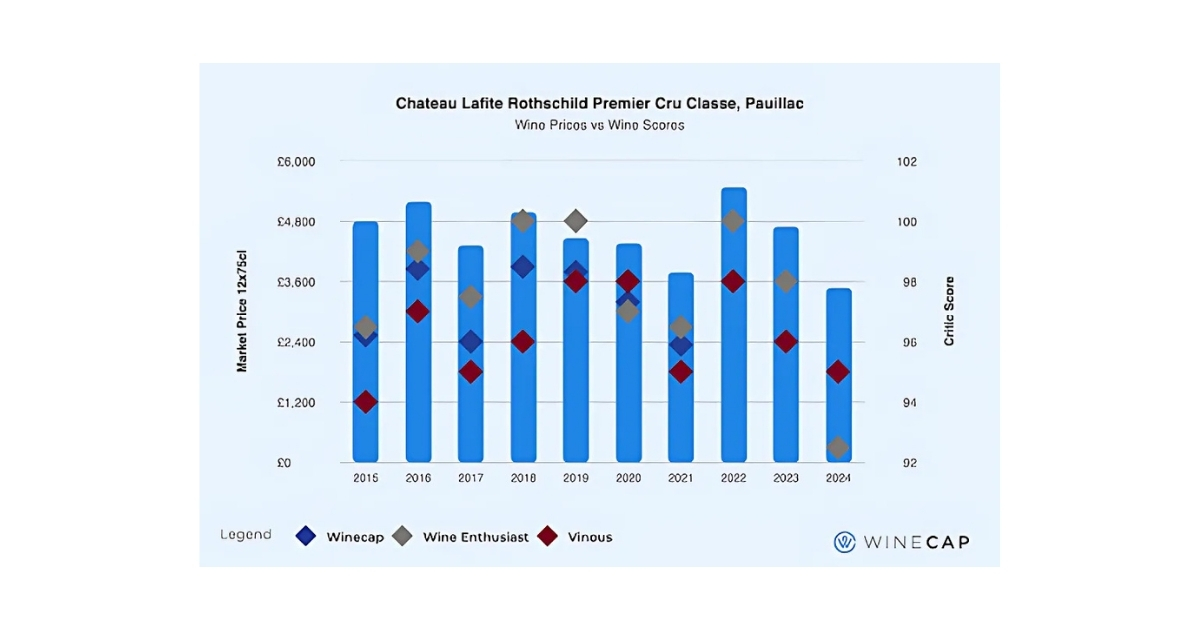
One of the standout releases of the campaign has been First Growth Château Lafite Rothschild.

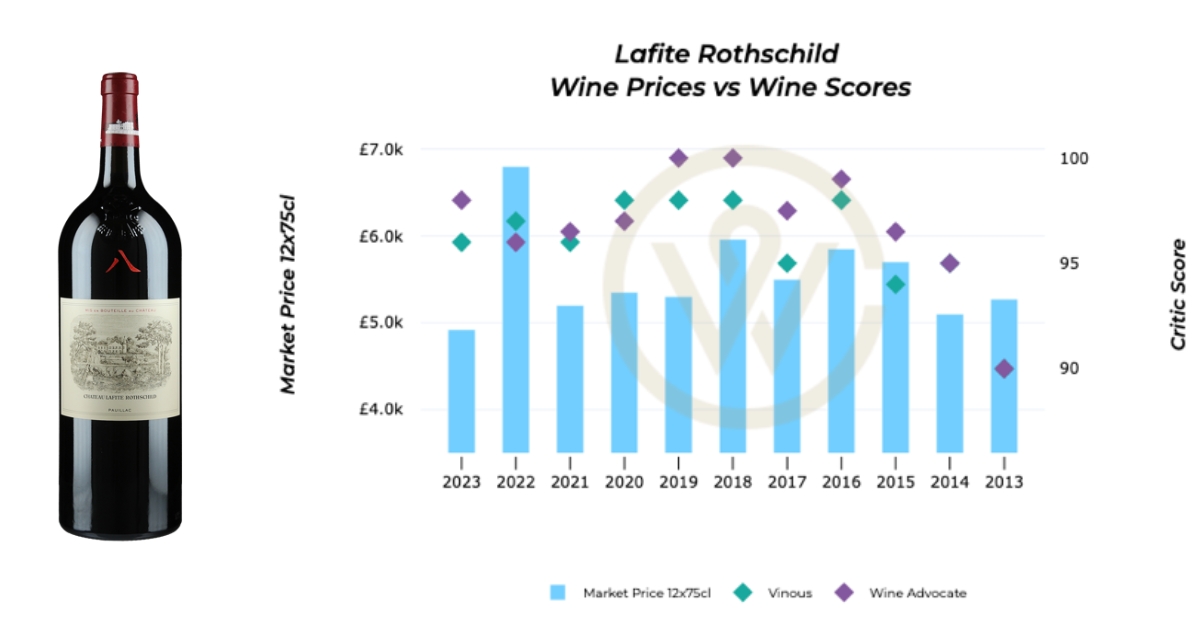
The 2024 vintage emerged as the most attractively priced Lafite in recent memory. In fact, only one other vintage from the past 40 years comes within 25% of its release price. Even lower-rated vintages like 2013 and 2007 – both released before the transformative investments that elevated Lafite’s quality – now trade at considerably higher levels.

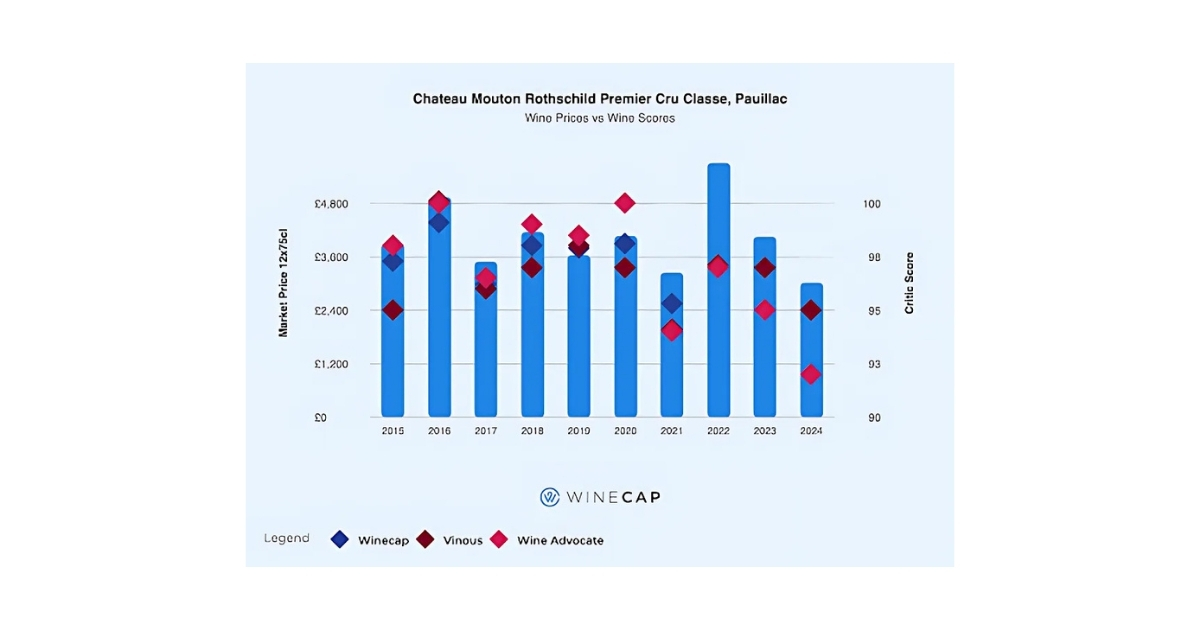
Much like Lafite, the 2024 Mouton Rothschild represents a rare opportunity. It is the best-priced Mouton vintage currently available on the market. Adjusted for inflation, only one other vintage in the last two decades compares in affordability. 

Moreover, Mouton has been the best-performing First Growth over the last five years, while also being Wine-Searcher’s most searched-for wine globally. 

History shows that these ‘less celebrated’ vintages often outperform their more hyped counterparts. For both Lafite and Mouton, vintages such as 2007, 2008, 2013, and 2014 have significantly outpaced the more acclaimed 2009, 2010, or 2016 in price performance.

Chateau Mouton Rothschild wine performance bar graph

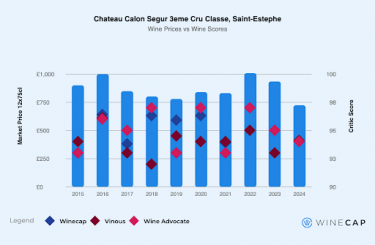
Another notable performer is Calon Ségur. While it may have flown slightly under the radar, its 2024 release represents the best entry point into the brand in over a decade. Calon has built a strong reputation among critics, frequently earning 95+ scores from Wine Advocate and Vinous. 

Its investment credentials are equally impressive: between 2015 and 2023, Calon prices surged more than 80%. Even with recent market dips, our Calon Ségur index remains 75% higher than it was ten years ago – making it one of Bordeaux’s most dynamic performers.

Looking for more? Read our Bordeaux Regional Report.

Categories
News

Mixed signals: correction continues but top wines prove the exception

  • Despite a broader market correction, some fine wines have risen over 10% year-to-date. 
  • The top-performers are united by their strong value proposition. 
  • The 2024 En Primeur is all about momentum and timing, given the mixed quality and the availability of well-priced older vintages.

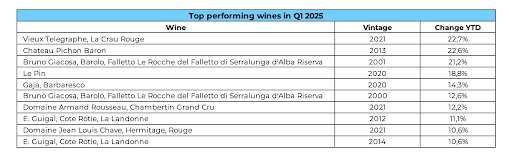
Despite a broader market correction – with the Liv-ex 1000 index declining 2.1% year-to-date – select fine wines have demonstrated remarkable resilience. A closer look at Q1’s top performers reveals a diverse spread across key wine regions: Bordeaux, Piedmont, the Rhône, and Burgundy.

The best performing wines

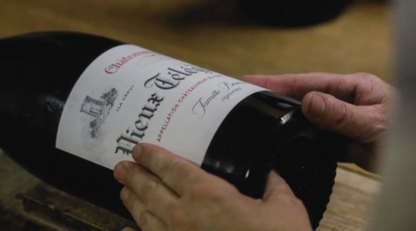
The best performing wine was Vieux Telegraphe La Crau Rouge 2021, which surged 22.7%. The long-term trajectory of the brand has been upwards, with a 54% rise in value over the past decade.

The second spot was taken up by Pichon Baron 2013 with a 22.6% rise. Often overlooked due to the vintage’s cooler weather, it now stands out for its relative value and strong long-term potential. Over the past ten years, the brand’s prices have climbed by 58% on average.

From the Northern Rhône, Guigal’s La Landonne secured two spots on the leaderboard: the 2012 vintage rose 11.1%, while the 2014 – 10.6%. Across the past decade, the La La wines have appreciated by 47%, affirming their iconic status among Rhône collectors.

From Barolo, the 2001 Bruno Giacosa Serralunga d’Alba made the top ten with a 21.2% rise, showcasing continued demand for aged, cellar-ready Nebbiolo from one of Piedmont’s most revered producers.

Regional trends: pressure persists

While these individual wines bucked the trend, broader regional indices tell a more sobering story. Both Burgundy and Bordeaux, the primary pillars of the fine wine market, fell by 2.9% in Q1. Even regions that showed resilience – such as the Rhône, which rose 1.1% in March – remain down overall for the quarter.

This pattern underscores the current investor mindset: cautious, value-driven, and increasingly selective.

2024 En Primeur: momentum and timing

The 2024 Bordeaux En Primeur campaign has landed in challenging terrain. With the market in retreat and the specter of new U.S. tariffs, producers have had no choice but to re-evaluate pricing strategies. The first releases came in below last year’s prices, and before critic scores were published.

While these adjustments reflect an awareness of the macroeconomic environment, price cuts alone don’t guarantee demand. Investors are weighing these new offers against older vintages available at comparable – or better – value.

The swift pace and early start of this year’s campaign echo the successful 2019 En Primeur release, which capitalised on momentum and timing. However, given the mixed vintage quality and volatile market, strategic selectivity is more essential than ever.

Looking for more? Read our Q1 2025 Fine Wine Report.

Categories
Learn

How does Bordeaux set its release prices?

In the springtime of each year, all eyes turn to Bordeaux as the region begins its extended En Primeur campaign when châteaux across this prominent region set their wine prices.

Such decisions require the navigation of multiple factors within a delicate financial and cultural ecosystem. WineCap spoke with eminent producers for insights into what influences the all-important price setting.

  •         Previous vintages and price key influences
  •         Profitability for all players is an important driver
  •         Compelling price point for customers is critical
  •         Brand and critical ratings have some impact

Château Smith Haut-Lafitte, Grand Cru Classé, Graves

“Don’t believe people say, ‘I do it all by myself’,” said Florence Cathiard who co-owns the Graves house with her husband Daniel. “It’s a long process and very delicate because we have to take several parameters into account.”

These include contemplating pushing prices higher because of swift sales in previous years, the vintage quality, and the general global environment.

“We also take advice from some of the best négociants, brokers, and even some importers — not those who are just trying to put the price down, to sell high, but the real friends.”

Château Pichon-Longueville Baron, Second Growth, Pauillac

Christian Seely, managing director of AXA Millésimes, owner of Château Pichon-Longueville Baron, has devised a formula for the optimal release price of a Grand Cru Wine.

“The ideal price is the highest price possible at which my existing customers will buy the wine with enthusiasm,” he said. “It has to be the highest price possible, otherwise I might get fired. But it has to be the highest price possible at which my existing customers will buy the wine with enthusiasm. If you go too high, your existing customers might buy it without enthusiasm. If you go much too high, maybe your existing customers won’t buy it, and that would be terrible. It’s a personal judgment based on experience.”

Château Pichon Comtesse, Second Growth, Pauillac

Nicolas Glumineau, CEO and winemaker of Château Pichon Comtesse, combines mathematics with common sense.

To price the wine correctly, you have to be very respectful of your market. And what we do is to have a very sharp eye on market prices,” he explained. “We consider that each step of the distribution chain has to get remuneration. It’s very important for each of us to earn money thanks to the distribution of Pichon Comtesse.”

Château Cheval Blanc, Saint-Émilion

Pierre-Oliver Clouet, Managing Director at Château Cheval Blanc has a similarly logical approach.

“En Primeur should be forever the lowest price you can find in your bottle,” he told WineCap. “The release price depends on many things: the quality of the vintage, the economic context in the world, and, as well, the price of new vintages available on the market. So, ultimately, the definition of the price En Primeur is not something difficult to reach. This is something mathematical.”

Château Canon, Premier Grand Cru Classé, Saint-Émilion.

Nicolas Audebert also follows mathematical logic in the pricing game. “If you go En Primeur, the interest for the consumer, the guy buying the bottle is that ‘if I buy en primeur, the bottle that I will put in my cellar and not able to drink now, it has to be at a lower price of the same quality I can buy in the market and drink now’,” he told WineCap.

Audebert takes an equivalent quality vintage from recent years, considers the margin, does some precision-calculations, and arrives at a price that offers a ‘win-win’ for all parties.

“Of course, afterwards, you can have ‘plus-value’ on the exceptional quality of the vintage or something like that. But if we play primeur, we have to play the game of logical pricing.”

Château Pavie, Premier Grand Cru Classé (A), Saint-Émilion

“There are some secrets,” jokes Olivier Gailly, commercial director for the Perse wine family at the renowned house. “There are a lot of different factors, which are, first of all, the history of your château, the different vintages and prices in the past, and how successful it was.

If the market demands, you have to push some, but you have to listen to it as well. Of course, ratings still play a role, meaning the feedback from the customers when they come and taste during the En Primeur week in Bordeaux. We then meet with Monsieur Perse and take the decision together. The final one will be his, being the owner of the property.”

Château La Mondotte, Premier Grand Cru Classé, Saint-Émilion

“If you have the wrong price, it’s a disaster,” Stéphane von Neipperg, owner of the Right Bank house said. “Nobody wants a lot of people wh don’t want to buy the wine.”

When his team goes to the market, they consider the global economy, the local market price direction, and information from brokers and négociants. “You have to absolutely test the price with negotiants, brokers, and also with your friends, the importers. Then we can say, ‘well, this would be a good price’. A good price is when everyone in the business makes money.”

Cos d’Estournel, Second Growth, Saint-Estèphe

Charles Thomas, commercial director of the Left Bank château, places an emphasis on quality and the good value the region offers when deciding on price. “I would be lying if I said it doesn’t depend sometimes on the exchange rate,” he said. “But also, it’s according to the quality we have — and this is the most important thing. Bordeaux is not expensive when you look at Burgundy and Napa Valley and some wine from other appellations.”

Vintage has more of an impact than elsewhere and can link to market price, Thomas added. “Of course, in Bordeaux you have the vintage effect that you don’t always have in other parts of the world. We try to be more stable for the client or the consumer, though, so they can accept any necessary price variation.”

Château Angelus, Saint-Émilion

As well as previous vintage pricing in Bordeaux and internationally, for Château Angelus CEO Stéphanie de Boüard-Rivoal, two more factors are key influences when the prestigious house goes to market.

“The volume as well, of course, because it makes a real impact,” she explained. “I’d say the strength of the brand as well.”

See also our Bordeaux I Regional Report

WineCap’s independent market analysis showcases the value of portfolio diversification and the stability offered by investing in wine. Speak to one of our wine investment experts and start building your portfolio. Schedule your free consultation today.

Categories
Quarterly-reports

Q2 2024 Fine Wine Report

Our Q2 2024 report has now been released. The report examines the macroeconomic factors affecting fine wine prices, the Bordeaux 2023 En Primeur campaign, the best-performing wines, industry news and an outlook for Q3.

Executive summary

  • The second quarter built on the successes of the first, with risk assets delivering another set of positive returns to investors.
  • Global equity markets were buoyed by resilient economic growth and rising investor confidence.
  • UK investment sentiment also improved after a landslide election win for the new Labour government.
  • The fine wine market remains a buyers’ market, with Burgundy and Champagne priced down the most in Q2. 
  • Bordeaux back vintages enjoyed rising demand and prices, following the 2023 En Primeur campaign.
  • The best-performing wine in Q2 was the 100-point Château Léoville Las Cases 2016.
  • This year’s En Primeur yielded mixed results with few great successes despite the general price cuts. 
  • Some of the best releases included the First Growths and their second wines, Beychevelle, and Cheval Blanc.
  • In other news, Sotheby’s Burgundy sale smashed wine auction records and Marchesi Antinori took full ownership of the Washington State winery Col Solare.
  • In buying opportunities, Latour 2009 offers perfect scores at the best possible price on the market.
  • Looking ahead, we anticipate the autumn La Place de Bordeaux campaign following a short summer lull.

The trends that shaped the fine wine market

Economic resilience boasts global markets

The second quarter delivered positive results for global equity markets which were buoyed by resilient economic growth, and supportive earnings and sales expectations. This strong economic foundation has allowed equities to advance, even as stubborn inflation poses potential challenges. Bond markets also appeared attractive; however, the same economic resilience that benefitted equities introduced near-term risks for fixed-income investments.

UK investment sentiment also improved following a landslide election victory for the new Labour government. The British pound, which has been the strongest major currency against the dollar this year, nudged higher when the scale of Labour’s victory became clear. The UK-focused FTSE 250 share index, which has outperformed the more global FTSE 100 year-to-date, rose to its highest level since April 2022, reflecting renewed investor confidence in the country’s economic prospects.

Fine wine – a buyer’s market

Meanwhile, fine wine prices continued to decline. The Liv-ex 1000 index, the broadest measure of the market, is currently at the level it was in August 2021 (388.28). Despite falling prices, trade volumes are higher than this time last year, suggesting that buyers are seizing opportunities to acquire wines at more favourable prices. Moreover, some of the best-performing wines this quarter rose as much as 20% in value. There are opportunities to be had if one follows closely.

En Primeur and Bordeaux’s falling prices

Some of these opportunities arose during the 2023 Bordeaux En Primeur campaign. The best new releases offered a compelling mix of quality and value, with a significant potential for future price appreciation. These included Beychevelle, Cheval Blanc, and the First Growths’ Grand vins and second wines – still, few and far between given the scale of the campaign. In the secondary market, Bordeaux prices fell 1.8% in the second quarter, making back vintages even more attractive. The only index that rose in value as the campaign concluded was the Bordeaux Legends 40 – exceptional older vintages that enjoyed rising demand. 

Regional fine wine performance

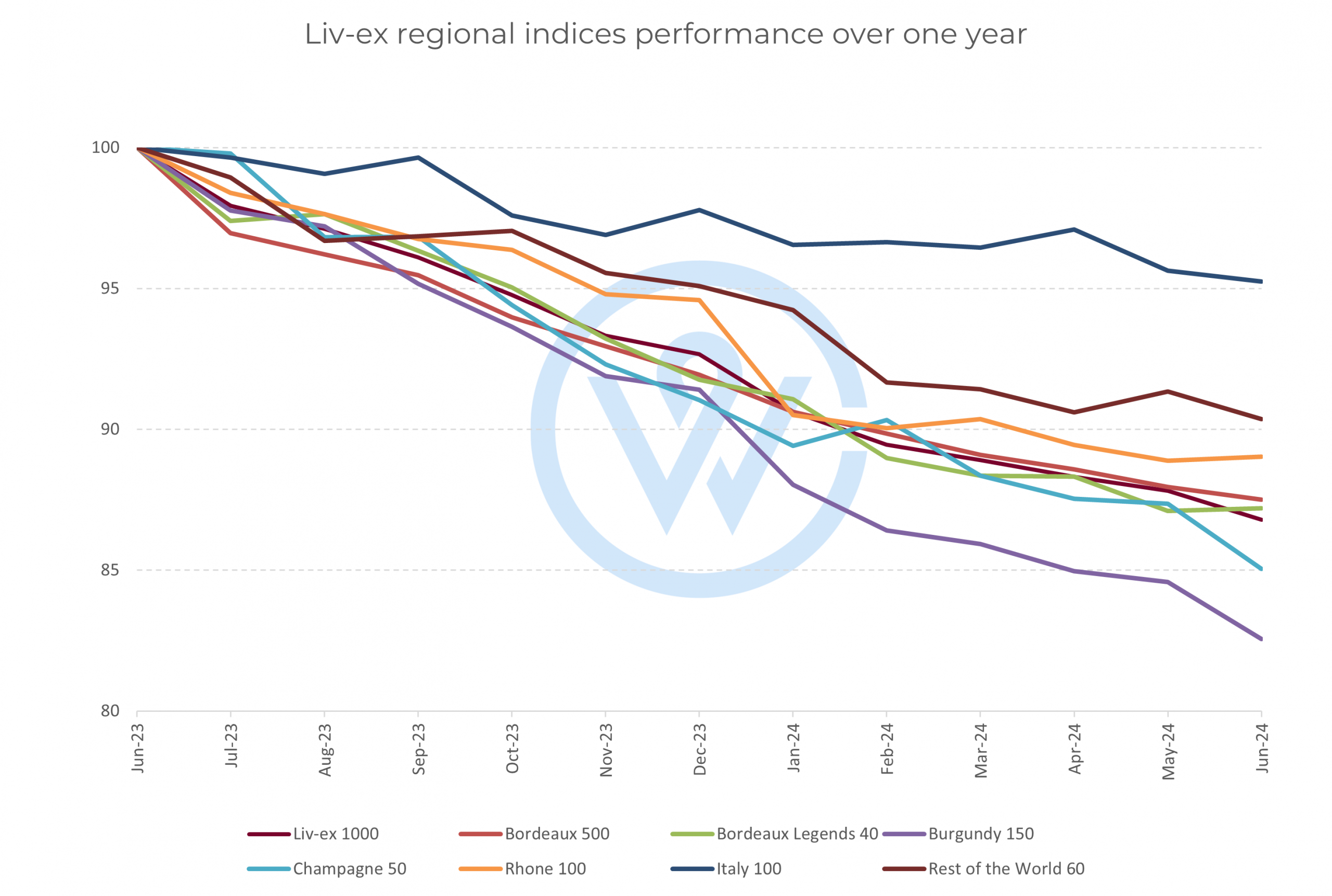
As the market’s focus shifted to new releases, prices in the secondary market fell in Q2. The broadest measure, the Liv-ex 1000 index, dipped 2.4%. It was led lower by the Burgundy 150 (-3.9%) and the Champagne 50 (-3.7%). The Rest of the World 60 and the Italy 100 indices experienced the smallest declines of 1.1% and 1.2% respectively.

As the chart above shows, Italy has shown relative resilience in the current bearish market. Despite broader market uncertainties, some Italian brands have even recorded positive movement in the last six months as high as 15%.

In June, the Bordeaux Legends 40 index recorded its first positive movement in almost a year, rising 0.3%. The index tracks the performance of a selection of 40 Bordeaux wines from exceptional older vintages (from 1989 onwards). As we have previously highlighted, older vintages can often be a lucrative investment prospect, offering a combination of quality, value and bottle age. 

The best-performing wines in Q2

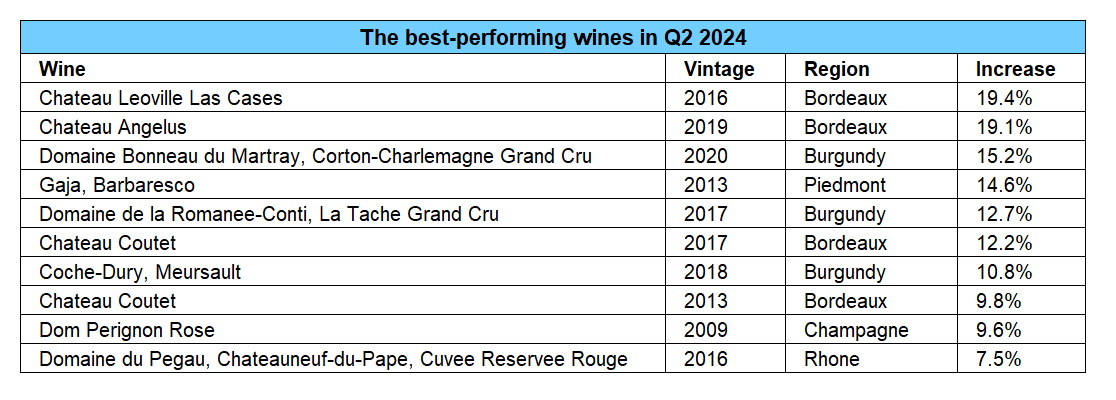
The best-performing wines this quarter were a diverse mix from Bordeaux, Burgundy, Piedmont, the Rhone and Champagne. Leading the charge was the 100-point (WA) Château Léoville Las Cases 2016, with an impressive 19.4% increase. William Kelley described it as ‘one of the high points of this great vintage’. Close behind was Château Angélus 2019, which saw a 19.1% rise.

From Burgundy, Domaine Bonneau du Martray Corton-Charlemagne Grand Cru 2020 came third, up 15.2%. Other wines from the region that rose in value included Domaine de la Romanée-Conti La Tache Grand Cru 2017 and Coche-Dury Meursault 2018

Dom Pérignon Rosé 2009 also made the rankings, with a 9.6% rise this past quarter. On average, prices for the wine have risen 83% in the last decade.

Fine wine news

Sotheby’s Burgundy sale smashes records

On July 5, 2024, Sotheby’s conducted its first exclusive single-owner Burgundy sale, breaking eight world records and achieving €2 million ($2.1 million). Held in the historic Caves du Couvent des Cordeliers in Beaune, the auction featured over 175 lots from Taiwanese entrepreneur Pierre Chen’s cellar.

Top highlights included six bottles of Chevalier Montrachet d’Auvenay 2009, which fetched €106,250 (£89,915), and 12 bottles of Domaine Armand Rousseau Chambertin Clos de Bèze 1990, sold for €100,000 (£84,630). Among the record-setting sales were three bottles of 2005 DRC Échezeaux at €10,000 per bottle and a magnum of 2005 DRC La Tâche at €35,000.

Last month, Chen’s collection of fine and rare Champagne achieved €1.35 million (£1.14 million) at Sotheby’s in Paris, with notable sales including three magnums of Salon Le Mesnil Blanc de Blancs 1990 for €25,000 (£19,600) and a magnum of Dom Pérignon P3 1966 for €23,750 (£20,100), both setting new records.

Sotheby’s expects Chen’s collection to fetch a record $50 million (£39.2 million) by the series’ end, with upcoming auctions in New York and Hong Kong.

Antinori expands into Washington

Marchesi Antinori, one of Italy’s oldest family-owned fine wine producers, has taken full ownership of the Washington State winery Col Solare, which was established as a joint venture in 1995 with Ste. Michelle Wine Estate (SMWE). The acquisition includes the winery, the estate vineyard spanning 12 hectares planted primarily with Cabernet Sauvignon, and the brand, which produces around 5,000 bottles annually. Piero Antinori, president of Marchesi Antinori, expressed admiration for Red Mountain AVA’s unique terroir, emphasising the challenge and excitement of producing high-quality Washington red wines.

Juan Muñoz-Oca, COO of Antinori USA, highlighted the significance of this acquisition, reflecting Washington’s growing reputation for luxury wines. This move follows Antinori’s 2022 acquisition of Napa’s Stag’s Leap Wine Cellars, transitioning from a 15% to 100% stake after SMWE was sold to Sycamore Partners for $1.2 billion in 2021. Besides Stag’s Leap, Antinori owns Antica, a 200-hectare estate in Napa Valley, as part of their expansion in the states.

Buying opportunities: Latour 2009

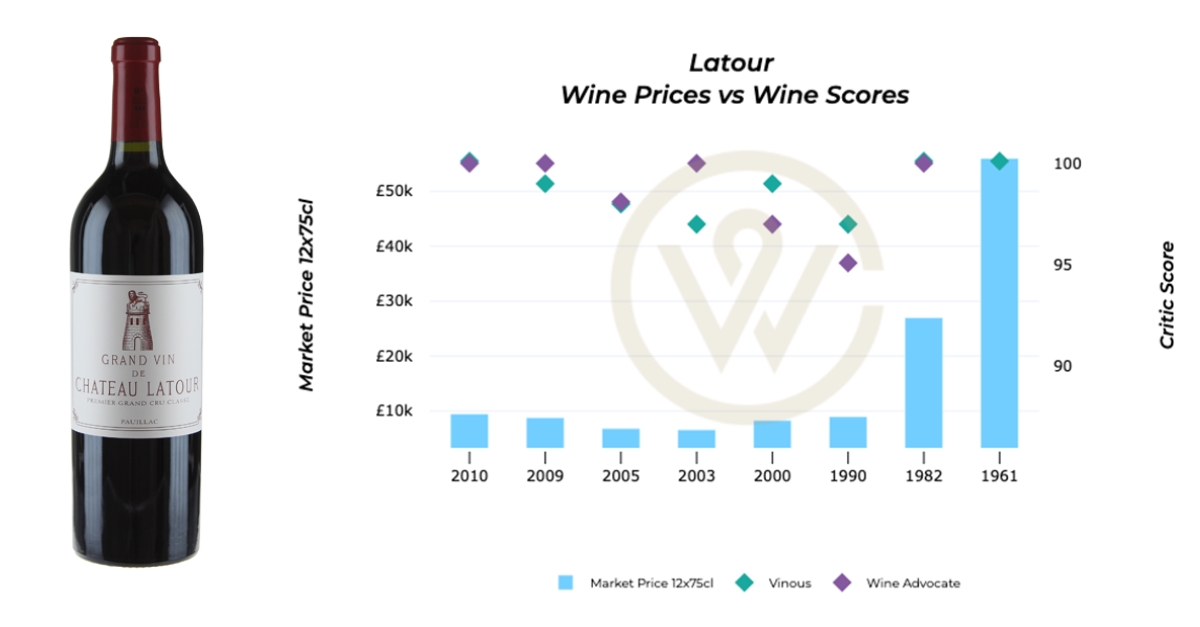
Château Latour 2009 currently represents a combination of perfect scores and perfect timing. The highest-scoring wine ever at the annual Southwold tasting, Latour 2009 is now at the best price it has been in almost a decade. 

The recipient of no less than five perfect scores from Robert Parker, Lisa Perrotti-Brown MW, Jeff Leve, James Suckling, and Falstaff, Latour 2009 is a stand-out wine among critics. Hailed by Robert Parker as the greatest vintage he’d ever tasted, more recently Neal Martin described it as ‘outstanding’ and a ‘Latour firing on all cylinders’.

Latour is also the highest-scoring 2009 Bordeaux on Cellar Tracker, where it’s also the second-highest-scoring wine of the entire decade, beaten only by Petrus 2000 at more than six times the price.

In terms of price performance, Latour has outperformed all the other First Growths over one, two and five years. 

The 2009 vintage, which is currently available at one of the lowest price points ever, offers value among other prime vintages. Its scores match the 1982 and 1961, both of which come at a significant premium.

It is more affordable than the 2010 as well as the 2000 and 1990 vintages but with superior scores than all of them. The 2009 Latour is a hidden gem that seems particularly good to seek out now.

Outlook for Q3

With the onset of the summer lull, the market is expected to experience a temporary slowdown as usual. Despite this seasonal dip, numerous opportunities remain available. The market for collectibles, including fine wine, is gaining popularity among new investors looking for diversity and uncorrelated market returns.  

Over the next two months, the fine wine market will shift its focus to wines from around the globe as the autumn La Place de Bordeaux campaign takes centre stage. Esteemed producers such as Almaviva, Opus One, Vérité, Seña, Catena Zapata, Masseto, and Solaia will unveil their latest vintages on the international stage, accompanied by numerous other exciting releases.

As the campaign expands to include New World wines, the category is expected to see a surge in secondary market demand, potentially driving up prices. We will continue to spotlight the best investment opportunities where exceptional quality and brand prestige meet attractive pricing.

WineCap’s independent market analysis showcases the value of portfolio diversification and the stability offered by investing in wine. Speak to one of our wine investment experts and start building your portfolio. Schedule your free consultation today.

Categories
News

The best of Bordeaux En Primeur 2023

  • The best Bordeaux En Primeur releases offered a combination of quality and value. 
  • These are wines with high potential for future price appreciation.
  • Some châteaux have followed the En Primeur golden rule that the new release is the cheapest you can get. 

As this year’s Bordeaux En Primeur campaign draws to an end, we evaluate the best 2023 releases. These wines not only boast high quality, as measured by critic scores, but also offer value when compared to previous vintages. Below are our highlights from an investment perspective. 

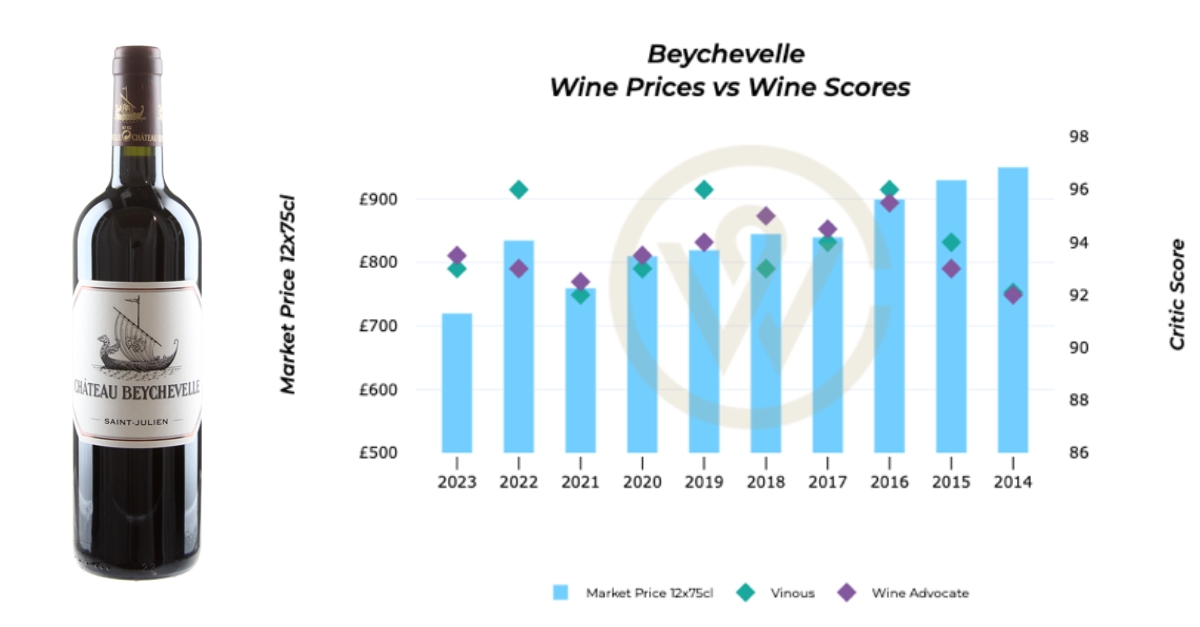
Beychevelle 

In the words of Château Beychevelle’s Philippe Blanc, ‘our golden rule is the En Primeur price is the cheapest you can get’. 

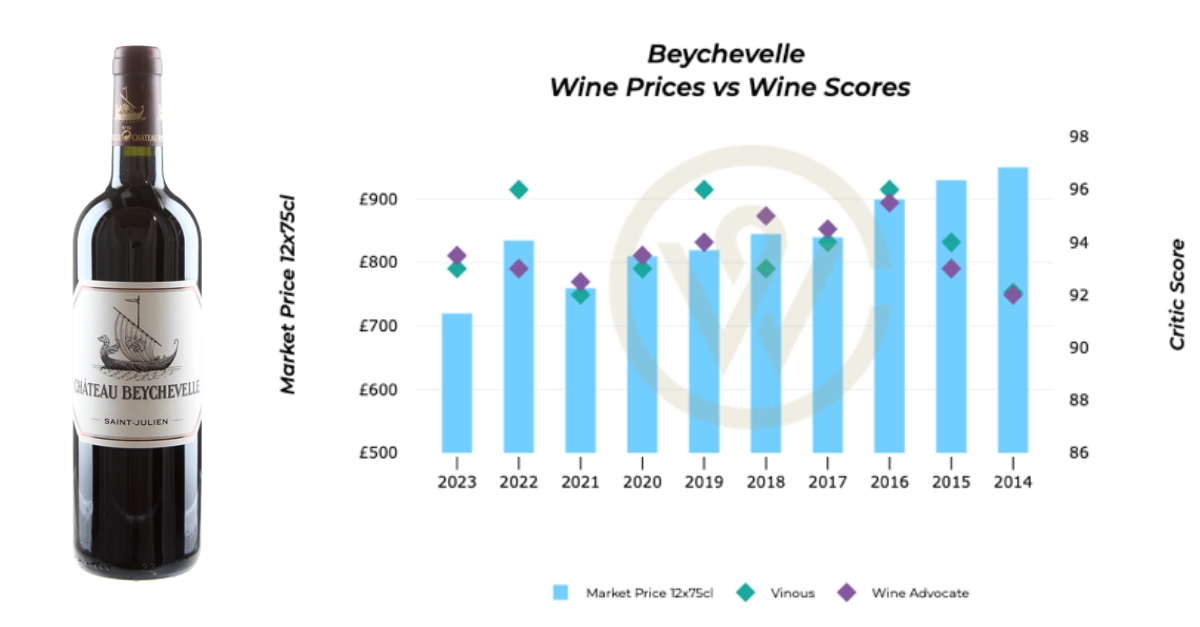
The rule was observed this year, with the 2023 representing the best priced vintage on the market today. 

The wine received 94-96 points from Antonio Galloni (Vinous), who said: ‘Beychevelle remains one of the most distinctive wines in all of Bordeaux. It is especially classy in this edition.’ 

Meanwhile, the Wine Advocate’s William Kelley (93-94 points) noted that ‘the 2023 Beychevelle has turned out especially well this year, exhibiting a more integrated, seductive style than recent vintages’.

Lafite Rothschild & Carruades de Lafite

For William Kelley, Lafite Rothschild appeared to be ‘the finest of the first growths this year’. The critic awarded it 97-99 points. The wine was launched at an impressive 32% discount on last year, making the new release the most affordable on the market today. Shortly after release, the wine found its way into the secondary market.

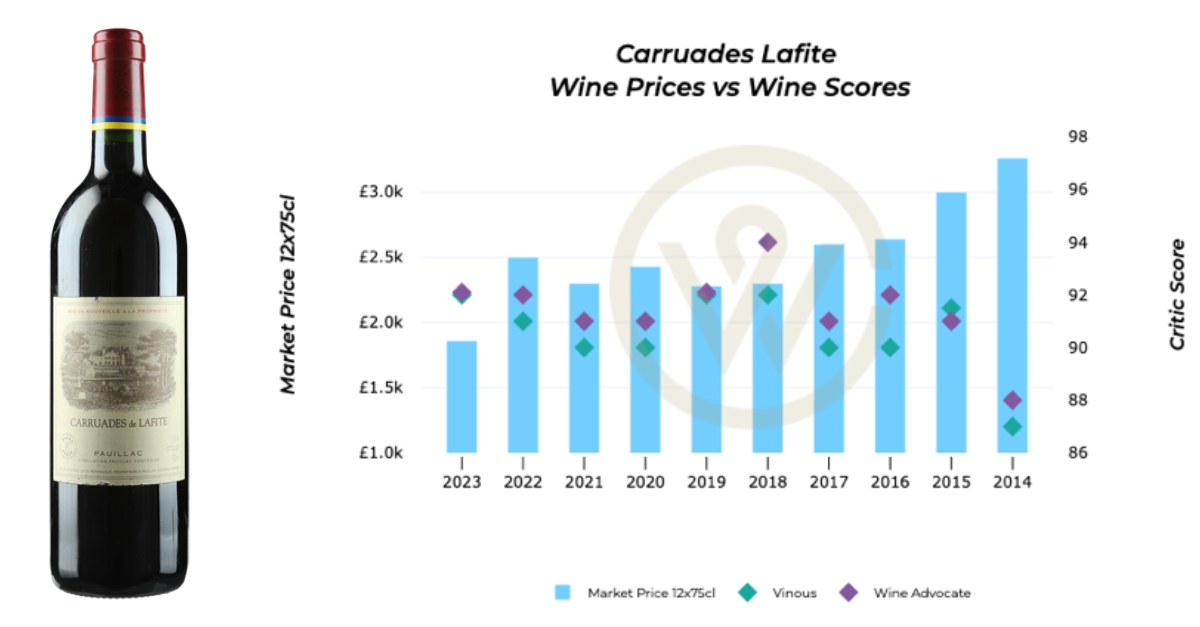
Its second wine also presented an enticing prospect to investors. As well as being the cheapest vintage, the wine was awarded a score of 91-93 from Neal Martin (Vinous), surpassing the 2022, 2016, and 2010. The critic remarked that this is ‘surely one of the best Carruades I have tasted at this stage’.

Mouton Rothschild & Petit Mouton

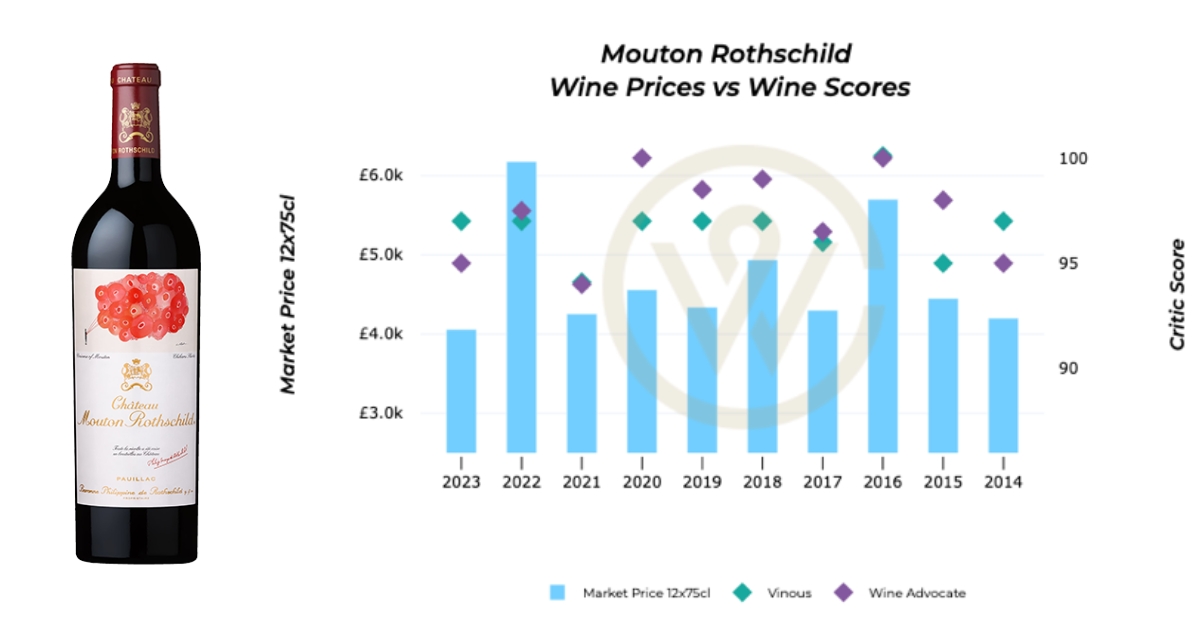
In much the same vein as Lafite Rothschild, the 2023 Mouton Rothschild is the most affordable vintage available on the market today. Antonio Galloni gave it 96-99 points and declared that it ‘is shaping up to be one of the best wines of the vintage on the Left Bank’.

With 96-98 points from Neal Martin, its score looks set to match the 2022, 2020, 2019, and 2018. Only the 100-point 2016 has the upper hand but comes at a hefty 40% premium. 

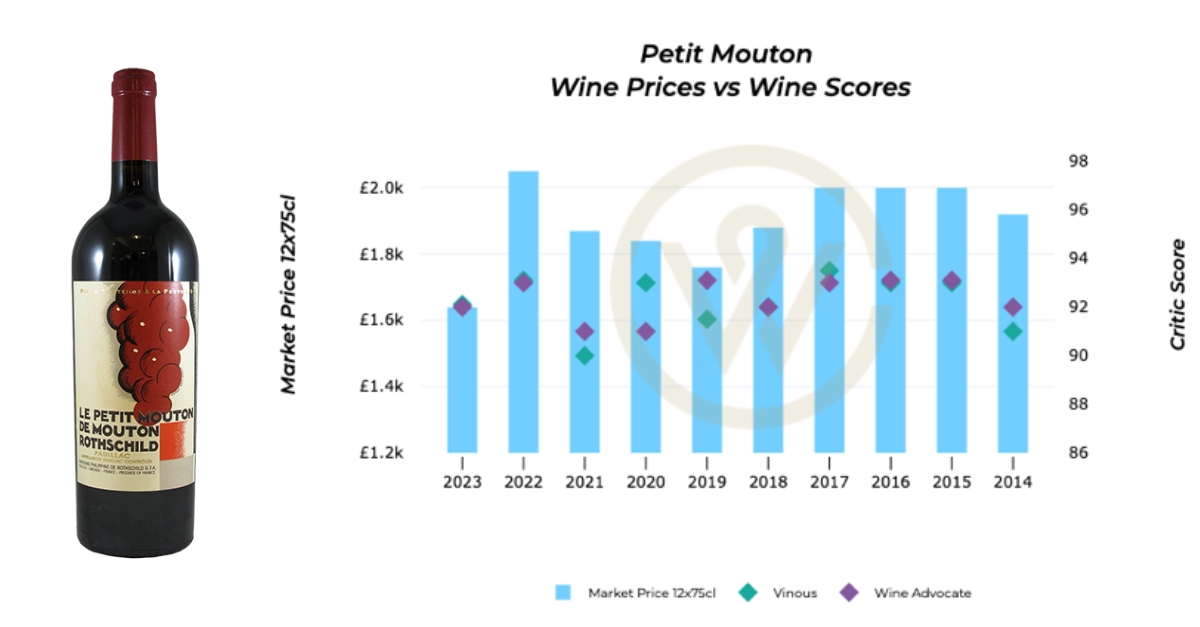
Once again, there is outstanding value to be found in the second wine. Petit Mouton 2023 is the best priced vintage available today by a healthy margin. And, according to Galloni, ‘it could easy be a Grand Vin at another address’.

Margaux

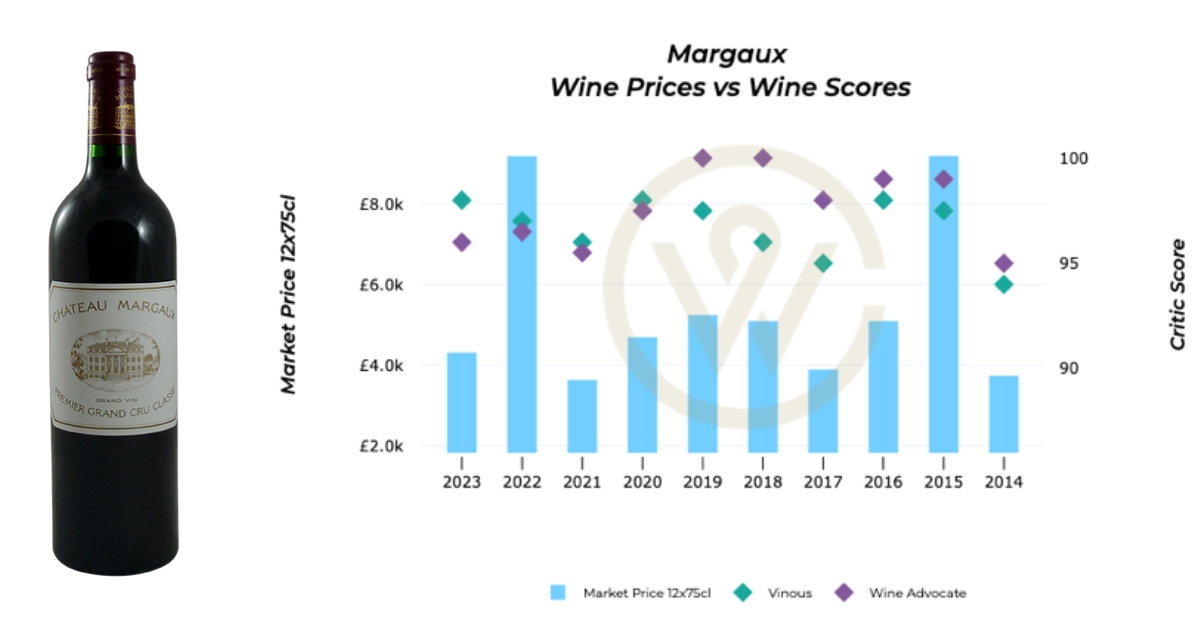
The highest-scoring Bordeaux 2023 wine across major critics, Margaux presented great value.

Galloni awarded it a potentially perfect score of 97-100 points, calling it ‘fabulous, sensual, silky and exceptionally polished’. 

Meanwhile, Martin described it as a ‘quintessential Margaux’, awarding it a score of 97-99 points.

Cheval Blanc

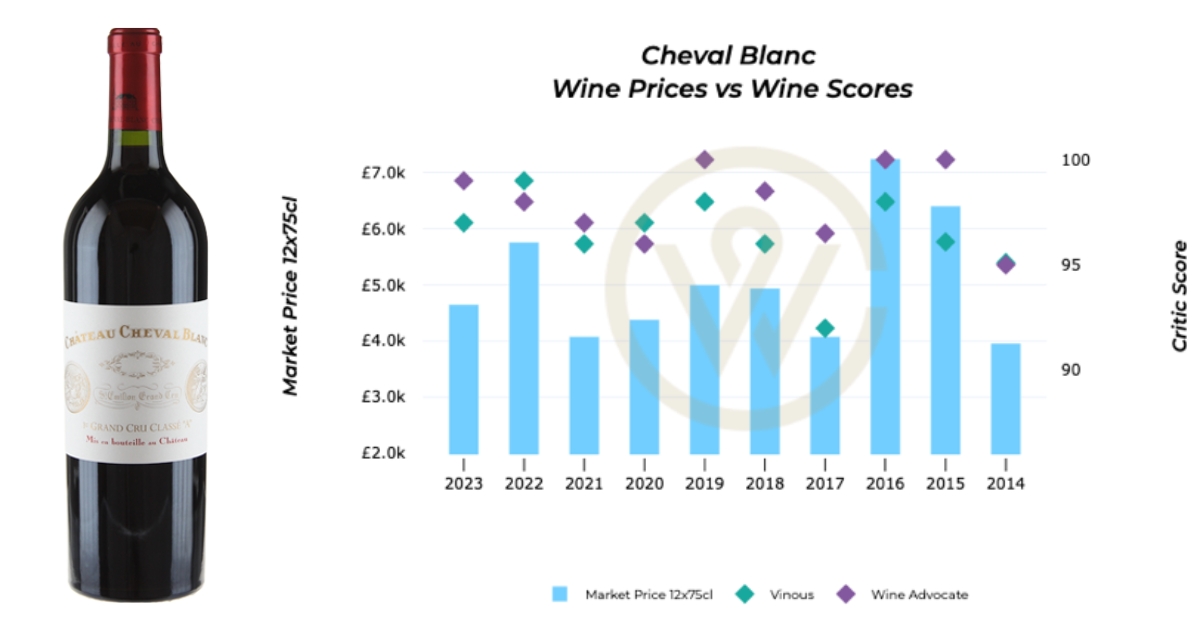
There are few wines that transcend the vintage in 2023, and Cheval Blanc is certainly one of them. 

There were few wines capable of transcending the vintage in 2023, but Cheval Blanc was certainly one of them.

It is the second-highest-scoring Bordeaux 2023 wine across 12 leading critics. Winemaker Pierre-Olivier Clouet even goes so far as to say that it is superior to the 2022, as does the Wine Advocate’s William Kelley. 

Adding to its appeal is the value it offers. The 2023 is the most affordable option among top vintages. This is one of only two unambiguously ‘prime’ Cheval Blanc vintages available under £5,000 a case.

As these highlights show, there is value to be found during En Primeur with the right analysis tools. 

WineCap’s independent market analysis showcases the value of portfolio diversification and the stability offered by investing in wine. Speak to one of our wine investment experts and start building your portfolio. Schedule your free consultation today.

Categories
Learn

Bordeaux En Primeur 2023: under pressure

  • Bordeaux 2023 largely met trade expectations for reduced pricing but only some releases have stood out as offering fantastic value. 
  • Price cuts slowed towards the end of the campaign, from 27.4% average discount in week one, to 23.3% in week four.  
  • Bordeaux’s ability to adapt does not only matter for its short-term sales but also for its long-term relevance in a highly competitive market.

Over the last month, our news coverage centered around the ongoing Bordeaux 2023 En Primeur campaign, examining critic scores and the investment potential of the new releases. 

Prior to the start of the campaign, Bordeaux châteaux faced considerable pressure from the trade to reduce release prices. Price cuts of around 30% were expected. In some cases, these expectations were met, with reductions of up to 40%. 

Now that the campaign is coming to a close, we weigh its success, considering the current state of Bordeaux’s investment market. 

En Primeur 2023 – back in vogue?

Critics of En Primeur contend that the system no longer meets buyer expectations, and the 2023 vintage wanted to rise to the challenge of defying the norm.

Partially it did. Wines like Lafite Rothschild, Carruades de Lafite, Mouton Rothschild, Petit Mouton, Beychevelle, Cheval Blanc and Haut-Brion delivered value and were met with high demand. 

Liv-ex reported immediate trades on its exchange for some of the releases. A developing secondary market is a positive sign for investors, although both Lafite Rothschild and Mouton Rothschild 2023 changed hands below their opening levels. 

According to Liv-ex, ‘it is clear there continues to be a market for Bordeaux En Primeur at the right price. What that price is, is perhaps less clear and will not always be agreed upon’.

The En Primeur golden rule  

For investors, an En Primeur release needs to be the most affordable wine among vintages with comparable scores to make sense. Where that isn’t the case, one should be cautious when buying. 

‘Our golden rule is the En Primeur price is the cheapest you can get. You can’t get anything cheaper. Generally speaking, it’s reasonably successful, not to say 100% successful, and then the price goes up.’ – Philippe Blanc, Château Beychevelle

En Primeur should be forever the lowest price you can find in your bottle. If you purchase later, it’s going to be more difficult to find and it’s going to be more expensive.’ – Pierre-Olivier Clouet, Château Cheval Blanc

The price decrease trajectory

The average price reduction among the top wines released in the first week of the campaign was 27.4%, going as low as 40% discount on the previous year.

In the fourth week of the campaign, this trajectory of offers slowed down. The average discount was reduced to 23.2%, the most significant being Château La Fleur-Pétrus 2023, down 33.6%, and the least significant, Beychevelle (-11.1%).

However, even though Beychevelle has seen one of the smallest discounts, it has still been one of the best value releases this campaign.

The Bordeaux market slowdown

The pressure to reduce release pricing was largely owing to the current market environment. 

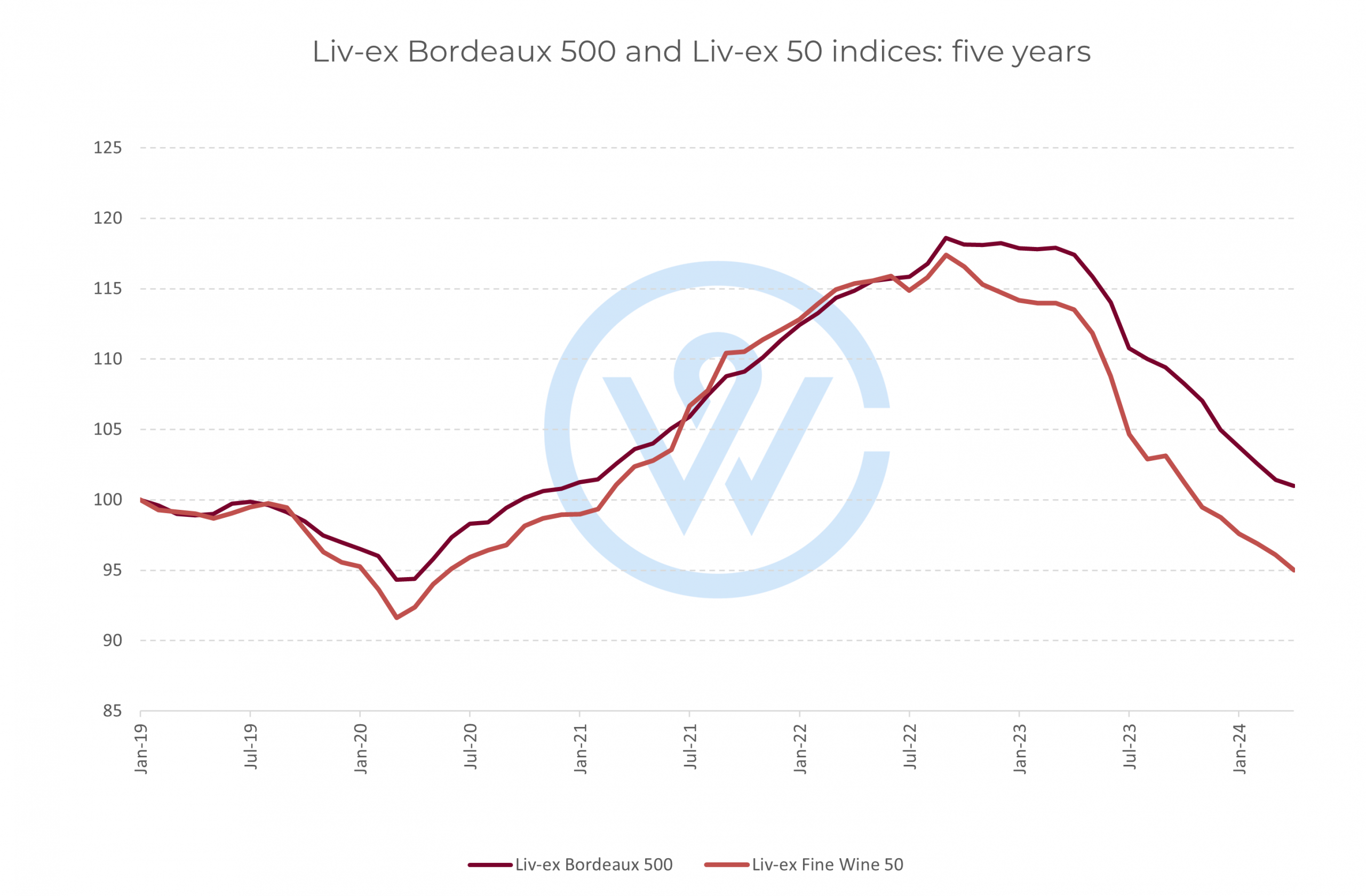
Over the past two years, Bordeaux prices are down 12%. Over the past five years, Bordeaux is one of the slowest growing markets, up 2.1%, considerably lagging behind Burgundy (25.2%), Italy (31.2%) and Champagne (45.5%). 

The market for top Bordeaux has suffered the most. First Growth prices are down 17.3% in the last two years, and 3.7% in the last five years.

The region is also losing market share to its contenders. In 2023, Bordeaux accounted for 40% of the trade by value on Liv-ex compared to 60% in 2018.

This is further exacerbated by slowing demand. Liv-ex noted that today ‘there is more than three times as much Bordeaux for sale than the fine wine market is looking to absorb’.

The need to adapt

The 2023 En Primeur campaign has unfolded under the shadow of mounting pressure for Bordeaux to realign with market demands. The campaign highlighted the critical balance Bordeaux must maintain: offering wines at attractive prices for everyone in the chain. 

Successful examples from this year’s campaign, where price cuts coincided with high demand, underscore the potential for Bordeaux to adapt. However, the slower reduction rates towards the campaign’s end and varied responses from buyers reflect the ongoing debate about the optimal pricing strategy.

Ultimately, as Bordeaux grapples with these challenges, the 2023 En Primeur has underscored the importance of responsiveness to market dynamics. The region’s ability to adjust will not only determine its short-term sales but also its long-term relevance in a highly competitive and ever-evolving global wine market.

WineCap’s independent market analysis showcases the value of portfolio diversification and the stability offered by investing in wine. Speak to one of our wine investment experts and start building your portfolio. Schedule your free consultation today. 

Categories
News

Bordeaux 2023 En Primeur: an overview of the current campaign

  • Three weeks into the Bordeaux 2023 En Primeur campaign, we examine the pricing trends of the releases so far.
  • In many cases, the current price cuts have highlighted the steady ascent of En Primeur release pricing in recent years.
  • The Bordeaux 2023 vintage is characterised by diverse critic scores and some high achievers.

This year’s Bordeaux En Primeur campaign kicked off early and rapidly gained momentum. The first 2023 releases landed in the last week of April, shortly after trade professionals had returned from the region and before the publication of most critic reports.

Pricing, as always, remained a central issue. Questions arose about whether châteaux would consider the current market conditions, whether anticipated price reductions would drive interest, and ultimately, whether the Bordeaux 2023 vintage would prove a worthy investment.

Three weeks into the campaign, several major châteaux, including First Growths like Haut-Brion, Mouton Rothschild, and Lafite Rothschild, have already launched their 2023 wines.

With most critic assessments now available and pricing trends becoming clearer, we delve into the details of the campaign so far.

Noteworthy releases

Château Léoville-Las Cases’ 2023 release marked a promising start to this year’s En Primeur. On April 30th, the wine was offered at a 40% discount on the previous year’s release. However, some older vintages still presented better value.

The first ‘great value’ release came from Château Lafite Rothschild in the same week. Its second wine, Carruades de Lafite, represented the lowest priced offering from the estate on the market today, playing on En Primeur’s original premise.

Similarly, Mouton Rothschild and Petit Mouton presented attractive opportunities for investors, released at 34.6% and 25.1% discounts on last year’s offerings respectively.

As a result, Liv-ex reported that both Château Lafite Rothschild 2023 and Château Mouton Rothschild 2023 have made their way onto the secondary market – although they have traded below their original release prices.

In many cases, the current price cuts have highlighted the steady ascent of En Primeur release pricing in recent years.

The average price cuts so far have been 21.5% compared to last year, with reductions ranging from 40% to none. Despite these cuts, many older vintages remain more affordable and often boast similar or better ratings, including those from 2019, 2017, and 2014.

Diverse scores and high achievers

The Bordeaux 2023 vintage has received a wide array of scores from leading critics, demonstrating a spectrum of quality across various appellations and estates.

Château Margaux consistently received high acclaim, with scores of 97-100 from both Antonio Galloni and William Kelley, and 99-100 from James Suckling. Neal Martin rated it as his second- highest wine of the vintage.

Another high achiever, Le Pin, received top marks with a perfect 100 from Peter Moser of Falstaff and 99-100 from Suckling. Château Montrose is also noteworthy, with a barrel range of 97-100 from Kelley and 99-100 from Suckling.

The critical consensus indicates a preference for wines from the Left Bank, which are noted to have fared better overall. The vintage is characterised by wines that lean towards a classic style, marked by their freshness and moderate alcohol content.

Despite the mixed nature of the vintage, there are several standout wines that show considerable promise. These wines are not only great for adding to a collection due to their potential to appreciate in value, but they also offer the kind of quality that makes them worth seeking out for those looking to enjoy fine wines in the years to come.

WineCap’s independent market analysis showcases the value of portfolio diversification and the stability offered by investing in wine. Speak to one of our wine investment experts and start building your portfolio. Schedule your free consultation today.

Categories
Learn

What is En Primeur? A short guide for wine investors

  • En Primeur is a three-tier system, involving châteaux, négociants, and courtiers.
  • It allows buyers to purchase wines early, while they are still in barrel.
  • It provides an opportunity to secure allocations of highly sought-after wines that might appreciate in value when bottled.

En Primeur, also known as ‘wine futures’, is a practice rooted deeply in the traditions of the French wine market, particularly prominent in Bordeaux. This unique system allows investors and wine enthusiasts to purchase wines early, while they are still in the barrel, well before they are bottled and released on the general market. This method not only provides a fascinating glimpse into the future of wine investment but also plays a critical role in the financial ecosystem of wine production.

Historical context

The concept of En Primeur dates back over 60 years and has its origins in the post-World War II landscape. During this period, French wine producers faced significant financial challenges. To alleviate these pressures, influential wine merchants, known as négociants, began purchasing wine while it was still maturing in barrels. This arrangement allowed them to lock in supplies at a potentially lower cost and gave the châteaux much-needed cash flow to continue operations.

The En Primeur campaign

Traditionally, the En Primeur campaign kicks off in the spring following the harvest. Wine merchants and critics are invited to sample the young, unfinished wines, which are still in the process of aging. Based on these tastings, they make decisions about purchasing the wines, several years before the final product will be ready for consumption.

The price of the wines can be influenced by several factors, including the perceived quality of the latest vintage, historical brand positioning, critic scores, and market conditions. Once the wine is eventually bottled and ready, it is shipped to the buyers, typically between 18 and 24 months after the sale.

Advantages for investors

Investing in En Primeur can offer several benefits. Firstly, it provides an opportunity to secure allocations of highly sought-after wines, which might be difficult to obtain after release due to limited quantities and high demand. Moreover, purchasing wines at this early stage can be cost-effective, as prices for these wines might significantly increase by the time they reach the market, following bottling and release.

Historically, certain vintages have shown high returns. For instance, the 2008 vintage has risen 79% in value on average since release. Such potential for appreciation makes En Primeur an attractive option for investors looking to diversify their portfolios.

Risks and considerations

However, investing in En Primeur is not without risks. The market can be volatile, and there is no guarantee that purchased wines will increase in value. Recent campaigns have seen negative returns in some cases; for instance, the average price of the 2020 vintage is down 10% since release, of the 2017 – 13%. This means that the wines are now cheaper in the physical market.

Economic downturns, changes in consumer taste, and low critic scores can affect the investment’s outcome. Additionally, buyers commit capital upfront without a guarantee of the wine’s quality at bottling.

The cost of participation can also be a barrier. En Primeur often requires purchasing by the case, which can be prohibitive for smaller investors. Furthermore, there are storage costs to consider, as these wines often need to be aged further in suitable conditions before reaching their optimal drinking window, which can span from five to fifty years.

The global influence of Bordeaux En Primeur

Still, the attention that Bordeaux En Primeur commands, and on a global scale, remains unrivalled. No other region attracts the same level of hype among press and trade. This success has inspired similar practices in other wine regions worldwide, including Burgundy, the Rhône Valley, and even non-French regions such as Italy, Spain, and parts of the New World. These regions have adopted the En Primeur model to varying degrees of success, influenced by their specific market demands and the exclusivity of the wines offered.

For buyers to take fill advantage of En Primeur, keen understanding of the wine market and insight into vintage variations is required. As with any investment, potential investors should perform due diligence, consulting with experts and considering their financial position and investment strategy.

WineCap’s independent market analysis showcases the value of portfolio diversification and the stability offered by investing in wine. Speak to one of our wine investment experts and start building your portfolio. Schedule your free consultation today.