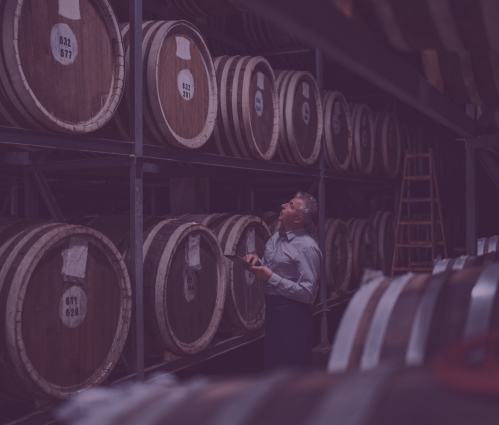
- Bordeaux En Primeur is a system where wine is purchased while it is still maturing in barrel, typically 18 months before bottling and delivery.
- The system operates through a unique network of brokers and merchants known as La Place de Bordeaux.
- Successful participation in the campaign requires a data-led approach, focusing on the relative value of new releases compared to available back vintages.
What is En Primeur wine buying?
En Primeur, also known as wine futures, is the shorthand for an ecosystem of wine producers, negociant, and merchants that allows consumers and investors to buy wine while it is still in the barrel, before the final bottling takes place.
While other regions do offer En Primeur purchases, the system is best known in Bordeaux. Grapes for the Bordeaux wines are harvested in the autumn and the young wine is offered for sale the following spring. In practice, this means that the 2026 En Primeur campaign is for the 2025 vintage, 2025 En Primeur was for the 2024 vintage etc.
At this stage, the wine is sold while it is a work in progress, unfinished, unblended and still requiring further ageing in the chateau cellars before being bottled and shipped.
Buyers pay a specific release price for the wine, which can be the lowest price the wine will ever see. This is dependent on the chateaux and negociants setting a sensible entry point and markets holding steady or improving. Once purchased, the wine remains at the estate until a few months after it is bottled, which usually happens 18 months to two years after the harvest.
A short history of Bordeaux wine futures
Like everything in Bordeaux, the roots of the En Primeur system stretch back but the widespread adoption of modern En Primeur sales has its origins in the early 1970s.
The establishment of En Primeur was prompted by global recession and cash flow issues caused by the 1973 oil crisis. After poor sales of the 1973 and 1974 vintages, merchants and producers were badly in need of money and with 1975’s samples well received, the wine trade found a way to bring forward revenue and sell wines early, funding the next year’s production and labour costs without waiting for the wine to mature.
It was only with later vintages that the economic advantages of En Primeur buying became clear to investors.
How the En Primeur system operates today
The Bordeaux En Primeur market is governed by La Place de Bordeaux and involves three primary players: chateaux, courtiers and negociants.
- Chateaux are the winemakers.
- Courtiers are brokers who act as middle men distributing the wine to a handful of B2B merchants in Bordeaux known as negociants.
- Negociants then sell the wine to merchants across the globe who in turn sell to their clients.
Chateaux rarely sells directly to retailers or private clients. Instead, they release allocations to a small group of courtiers who then sell them to a slightly larger group of negociants in France. Even when a chateau has a strong relationship with a merchant like WineCap and wants to guarantee them allocations, that transaction will still go through a negociant.
Every April, the world’s wine trade descends on the city of Bordeaux for the primeur tastings, with journalists, importers, and merchants spending a manic week tasting hundreds of barrel samples often on multiple occasions to assess the quality of the new vintage. Based on these assessments and the general economic climate, the chateaux release their prices over several subsequent weeks, generally through May and June with negociants simultaneously offering dozens of wines to international merchants, who sell to private clients.
Which UK merchants offer En Primeur?
Most reputable fine wine merchants in the UK participate in the annual campaign. This includes historic firms and modern investment platforms. In a high-quality oversubscribed vintage, retailers compete for allocations of the most sought-after wines, with those that buy most broadly getting priority. In poorer vintages, the balance of power shifts with negociants working harder to place their wines. When selecting a merchant, it is vital to choose one with a proven track record, as you are essentially buying a promise of future delivery.
Buying En Primeur with WineCap
Even if you consider yourself a drinker rather than a collector, looking at wine through an investment lens is beneficial. WineCap’s perspective focuses heavily on relative value and our approach is data first. We believe that a purchase should only be made when there is a clear advantage to doing so. In the En Primeur market, this means carefully analysing whether a new release is actually priced better than an available comparable back vintage.
Thinking about fine wine with an investment perspective will help ensure you get the best value for money from your purchases, even if your end goal is drinking pleasure. Speak to one of our wine investment experts
How to evaluate En Primeur opportunities
Evaluation begins with critic scores from major platforms and critics like Neal Martin and Antonio Galloni at Vinous, William Kelley and Yohan Castaing at Robert Parker’s Wine Advocate, James Lawther at JancisRobinson.com, Jane Anson or Lisa Perrotti-Brown MW.
The key is to compare the release price of the new vintage against the current market prices of comparable physically delivered back vintages. If a physical wine from a great year like 2019 is available at a similar price to a new release of similar quality, the financial argument for the newer wine is weak.
You need a compelling reason to buy a wine that is less affordable than a comparable vintage already sitting in a warehouse, vintage reputation is a major factor but investors should always be selective. This is particularly the case in vintages where quality varies significantly between estates. In those years, you must focus on specific successes rather than the vintage as a whole. Early on, it looks like the high-quality 2025 vintage will be one of them.
Benefits of buying wine En Primeur
One primary benefit of buying wine En Primeur is guaranteed access in the formats you are looking for. For the most famous chateaux, allocations can be tight and buying wine futures may be the only way to secure a case of the top labels at opening prices. In especially strong vintages releases for a specific wine may come in several tranches often with later tranches being made available at higher prices: the wine trade’s version of dynamic pricing. WineCap would typically not recommend buying second or third tranches.
Another major advantage is the ability to request non-standard formats. You can order half bottles, magnums, double magnums, or even larger formats at the time of purchase. These formats can be harder to find on the secondary market once the wine is bottled, so if you’re looking for a large format of wine to drink in 20+ years to celebrate an anniversary or the birth of a child, En Primeur may be especially attractive. This is especially important if you are in a wine market where availability is lower and prices higher than in the major markets of the UK and EU.
When the wines are priced correctly, En Primeur can be the best price the wines will ever be. Finally, buying pre-bottling ensures perfect provenance as the wine moves directly from the chateau to a bonded warehouse in an unbroken chain of custody.
Finding price lists and reports
To stay informed on En Primeur, you should subscribe to newsletters and offers from reputable merchants. These provide real time updates on releases and pricing. Major review platforms are key for technical data such as vintage reports and professional critic scores, although merchants will share those with their clients. Critics spend weeks in Bordeaux tasting hundreds of samples to produce the reports that form the market’s understanding of the vintage quality and how it is likely to evolve over time.
Key factors for consideration
Brand power is the most significant indicator of future liquidity. Names like Chateau Latour or Chateau Cheval Blanc have global demand that protects their value, and search rankings on websites like Wine-searcher provide an excellent proxy by which collectors and investors can understand this.
Overall vintage quality and pricing will dictate the general market mood, but you must also consider the liquidity and quality of the specific label. Some wines are easy to sell at any time, while others may take much longer to find a buyer. Past performance of the estate is also a useful metric.
A good merchant such as WineCap will synthesise all this data before making recommendations to their clients. Speak to one of our wine investment experts.
Risks of buying wine En Primeur
The most obvious risk is that the final quality may not reflect early critic reviews i.e. a wine that scored highly in barrel may not show as well once it is in the bottle. En Primeur scores are generally given in a range, normally of two to three points to reflect this uncertainty.
Prices may also fall. If a chateau releases its wine at too high a cost, the market may reject the price, leading to lower values when the wines become physical and secondary market trading begins in earnest.
There are also macro-economic considerations. General market volatility can impact luxury assets although that tends to be less significant and delayed for fine wine, and the broad economic climate and the cost of money may impact demand.
Currency fluctuations and fixed prices
Buyers often worry about currency moves between release and delivery; however, for a UK client, changes do not affect the original purchase. You have committed to buy the wine at a fixed price in GBP at the time of the offer and in return your price is fixed so you should not be concerned about changes in exchange rate between the point of purchase and the point of delivery.
Subsequently a weak pound can sometimes make UK-held stock more attractive to international buyers, potentially increasing its value.
Storage and delivery logistics
When you buy En Primeur, the price you pay is normally ex-VAT and duty. This means the wine is held in bond once it arrives in the UK. The wine will be delivered to a professional bonded warehouse, such as Octavian or LCB, roughly two years after the campaign.
At this point, you can choose to keep the wine in bond to preserve its investment potential, avoiding the immediate payment of VAT and excise duty. Unless you are able to cellar the wine properly yourself this is normally the best decision as it ensures the wine ages in benign conditions.
Another less frequently mentioned benefit of in-bond storage is that the necessity of arranging to have a wine delivered to you means more intent is required before consumption. That is to say, you are less likely to drink on a whim and more likely to wait until the wines are at a point where they are truly ready to enjoy before pulling corks.
Recommended wines for long-term cellaring
Almost any wine released En Primeur will be suitable for at least a few years of ageing. Even relatively humble estates like Chateau Laroque, Les Cruzelles, and Chateau Cantemerle will easily age and improve over the course of 10-20 years and provide excellent drinking pleasure. Top-tier estates, including the First Growths and their Right Bank peers, are built to allow 40 to 50 years of development in a good vintage although they can be enjoyed sooner.
FAQ: Bordeaux En Primeur
Can I buy En Primeur wines online with UK delivery?
Yes, most UK merchants allow you to purchase online but it’s always a good idea to engage with your account manager ahead of time, especially if you have specific wines of formats in mind. Physical delivery to your home only occurs once the wine is bottled and the duty and VAT have been paid.
What is a negociant?
A negociant is a wine merchant that operates business-to-business offering wines for sale to retail partners operating business-to-consumer.
When do new vintage En Primeur campaigns typically start?
The main Bordeaux campaign begins in the spring, usually starting in mid-late April with the tasting week, with prices following in May and June. It is rare that a campaign goes beyond July, but it has been known to happen.
Which regions are most known for their wine futures offerings?
Bordeaux is the pioneer and by far the best known, but Burgundy, the Rhone, and some producers in Tuscany and California also offer wines En Primeur.
Is buying En Primeur a guaranteed investment?
No, it is not a guaranteed return. Success depends on the quality of the vintage, the value of the release pricing compared to back vintages and market sentiment.
WineCap’s independent market analysis showcases the value of portfolio diversification and the stability offered by investing in wine. Speak to one of our wine investment experts and start building your portfolio. Schedule your free consultation today