Categories
Learn

Which wines have the best ROI? A 10-year fine wine performance review

  • Bordeaux anchors portfolios with liquidity and stability, while Burgundy and niche producers often deliver the highest upside.
  • Scarcity drives returns: from cult Burgundy to grower Champagne, the biggest gains come where supply is tight and demand is global.
  • After a three-year correction, fine wine prices are on the rise, signaling a prime entry point.

Over the past two decades, fine wine performance has been far from uniform, with returns driven by a distinct mix of liquidity, scarcity, and shifting global demand. The wines that have delivered the best ROI have done so for very different reasons, making a market breakdown essential to understanding where true value lies, and how each region behaves as an investment.

Bordeaux: The “S&P 500” of fine wine 

Bordeaux remains the cornerstone of the secondary wine market due to its high production volumes and global recognition. It provides a level of liquidity that acts as a defensive anchor, weathering the 2022-2025 correction better than most speculative assets.

  • Le Pin

Located in Pomerol, this tiny estate is the absolute leader for the region. Growth from the 2013 bottom to the 2023 peak was over 130%, maintaining its value even during the recent “gut punch” of 2025.

  • Carruades de Lafite

The second wine of Chateau Lafite Rothschild is a high-volume engine. The 2013 vintage, for instance, traded at £950 per case in 2014 and hit over £3,000 in 2022, marking a 215% return. 

  • Calon Segur

A historic Saint Estephe “hidden gem,” prices rose 120% in the ten years up to the 2023 peak and were more  stable than many higher profile peers during the correction from 2023-2025.

Burgundy: Behind the stellar growth

The best historical performance can be found in Burgundy, where rarity meets intense global demand. However, investors must be wary of ghost wines that show huge growth on paper but offer very little real world liquidity.

  • Domaine d’Auvenay

A personal estate of Lalou Bize-Leroy, also the owner of Domaine Leroy and part owner of Domane Romanee Conti, D’Auvenay produces wines of extraordinary intensity and rarity. “Aligote Sous Chatelet” is regarded as the best money can buy. At £30,000 a case, it is a significant asset. While liquidity is limited by small production levels, the price is backed by trades and auctions. It has shown a stunning 11,000% growth over its history. Auction prices for the 2009 vintage rose from £6,000 a case in 2019 to £35,000 in 2023.

  • Domaine Bizot and Arnoux-Lachaux Jean-Yves Bizot

Both domaines produce tiny quantities of wine in Vosne-Romanee using natural winemaking techniques. They saw values soar in the late 2010s and early 2020s. For instance, Bizot Echezeaux 2010 rose from £4,000 in 2016 to £115,000 in 2022; however, few of these extreme values are backed by trades in the open market.

  • Domaine de la Romanee-Conti (DRC)

Commonly known as DRC, Domaine de la Romanee-Conti is the most famous estate in Burgundy and the region’s benchmark for tradable and secure investment. Duvault Blochet is among their most affordable wines and their best performer. While 500% growth in ten years is modest compared to Bizot, DRC remains the most liquid and secure option for Burgundy investors.

The Champagne market: Grandes Marques and grower producers

The Champagne market shows a clear split between the Grandes Marques and grower producers. Large houses offer higher liquidity while grower Champagnes see lower trade volumes but often achieve bigger returns. 

  • Louis Roederer Cristal

Cristal is the flagship wine of the family owned house Louis Roederer. It was the best performer among the large producers in the decade leading to the 2022 market peak. Prices for Cristal increased 160% between 2016 and 2022.

  • Krug Clos du Mesnil

This rare Blanc de Blancs is an example of the single vineyard wines that have become more common in the region over recent years. Clos du Mesnil leads the way in both prominence and performance, with prices up 215% from 2016 to the market top in 2022.

  • Egly-Ouriet

The leader of the artisanal grower surge. Based in Ambonnay, this estate has seen values climb 500% over the last decade as collectors pivot toward terroir-driven grower Champagne. 

Tuscany: Super Tuscans and Brunello 

Tuscany provides a balance of high quality and relative value compared to French regions. The “Super Tuscan” category remains the primary driver of investment both among Italian wines, and within Tuscany.

  • Sassicaia and Tignanello

Tignanello is produced by the historic Antinori family, while Sassicaia is the original Super Tuscan from Tenuta San Guido: these two labels lead the way for Italian wine liquidity. Both have proven to be excellent long-term investments and both have shown steady gains over 10 and 15 year periods. Tignanello has the slight edge, up 160% in the last decade.

  • Il Marroneto Madonna delle Grazie

This Brunello di Montalcino is a more niche selection compared to the coastal Super Tuscans. Older vintages of this wine have risen upwards of 500% over the last decade.

  • Soldera Casse Basse

The late Gianfranco Soldera created a cult following for his uncompromising approach to Sangiovese. This is one of the most expensive wines in Tuscany and has benefited from excellent growth, around 300% over the last decade. It remains just below the price of the 100% Merlot icon Masseto.

Piedmont: The “Burgundy of Italy”

Piedmont offers high growth but generally lower liquidity than Tuscany, mirroring the relationship between single-vineyard single-grape variety focus of Burgundy and the larger production volumes in Bordeaux.

  • Comm G.B. Burlotto

The Burlotto family has made wine in Verduno for generations, but their Monvigliero has become a superstar. The wines of Burlotto are a highlight for the region. They have shown growth in the high hundreds of percentage points.

  • Cappellano and Giovanni Canonica

These producers represent a traditional approach to Barolo that has found favour with modern collectors. Both have shown approximately 500% growth over the last decade. These names reflect the rising interest in terroir-driven, traditional Piedmont wine.

  • Gaja

Angelo Gaja is the man credited with bringing Piedmont to the world stage through modernisation and high production levels compared to its regional peers. For investors and collectors, Gaja Barbaresco is a favourite. The wine has risen 100% in ten years, remaining solid since the 2022 market peak. Meanwhile, Gaja’s flagship white, Gaia and Rey, has seen nearly 400% growth over the last two decades.

USA: Cult wines and beyond

Cult wines often dominate the conversation in the United States. However, more mainstream brands have achieved equally impressive returns recently.

  • Ridge Monte Bello

Ridge Vineyards is famous for its non-interventionist winemaking and focus on high altitude sites. They have a large selection of accessible wines, but Monte Bello is their flagship investment-grade label. Prices for Monte Bello are up 140% over the last 15 years.

  • Opus One

Opus One was founded as a joint venture between Robert Mondavi and Baron Philippe de Rothschild. The estate focuses on producing large volumes of a single Grand Vin. This narrow focus has seen values double over the last decade.

  • Screaming Eagle and Realm “The Absurd”

Screaming Eagle is the quintessential Napa Valley cult wine, produced in extremely small quantities. Lesser vintages, in particular, have proven to be strong performers: the 1998 saw 300% growth in the decade to 2021, while the 2011 vintage rose 240% between 2014 and 2021.

Realm Cellars produces “The Absurd” as a blend of their best barrels. It saw prices rise 300% in the decade to 2022.

High performers from other regions

Excellent growth is available outside the most mainstream regions. While liquidity tends to be more limited, these wines are standouts in their respective countries.

  • Valentini Trebbiano d’Abruzzo

Valentini is a reclusive producer in Abruzzo known for creating whites with immense ageing potential. This white is the most searched for Italian fine wine outside of Piedmont and Tuscany and its index has risen 320% in the last decade.

  • Chateau des Tours 

This estate is under the same ownership as Chateau Rayas in Chateauneuf du Pape, but its wines are available at a much lower price. Their flagship, Vacqueyras, is roughly 10% of the price of Rayas, and while it does not achieve the same scores, values have risen 600% in a decade.

  • Vega Sicilia Valbuena 5°

Vega Sicilia in the Ribera del Duero is perhaps the most prestigious estate in Spain and the best known to investors. Valbuena 5° is the younger sibling to the famous Unico, but its performance has consistently bettered its more costly sibling. It is up 47% over five years, 146% over ten years, and 215% over fifteen years.

  • Sadie Family Columella

Eben Sadie is the leading figure in the new wave of South African winemaking. Their flagship, Columella, is up 140% in a decade. This eclipses other famous South African names like Klein Constantia Vin de Constance, up 60% in the same period.

  • South America: Almaviva and Don Melchor

Almaviva is a joint venture between Baron Philippe de Rothschild and Concha y Toro in Chile. Both Almaviva and Don Melchor lead the way in South American investment performance. They have shown growth of around 200% in the last 15 years and 100% in the last decade.

FAQs: Which wines have the best ROI?

Which wine brand has the highest historical growth? 

The highest percentage growth recorded in our analysis is Domaine d’Auvenay Aligote Sous Chatelet, which has seen stunning 11,000% gains over the last 20 years.

Is it better to invest in Bordeaux or Burgundy? 

Bordeaux generally offers better liquidity and larger production volumes, making it easier to buy and sell. Burgundy has shown higher growth but can be more difficult to trade due to limited supply.

What is a ghost wine in the context of investment? 

A ghost wine refers to a label that shows high price appreciation on paper but has very little actual trading volume or physical liquidity in the open market.

How has the US cult wine market performed recently? 

While cult wines like Screaming Eagle have seen significant historical gains, more mainstream brands like Opus One have proven to be more reliable performers in recent years.

Are there profitable wine investments outside of France and Italy? 

Yes, regions like Spain (Vega Sicilia), South Africa (Sadie Family), and Chile (Almaviva) have all produced wines with triple digit percentage growth over the last decade.

WineCap’s independent market analysis showcases the value of portfolio diversification and the stability offered by investing in wine. Speak to one of our wine investment experts and start building your portfolio. Schedule your free consultation today.

Categories
News

Mouton Rothschild: 2022 label and market performance

  • The 2022 Mouton Rothschild label has been revealed. 
  • Mouton Rothschild is the best performing First Growth over the last decade. 
  • The wine has also outperformed the Liv-ex 100 and Bordeaux 500 indices.

Unveiling the 2022 label

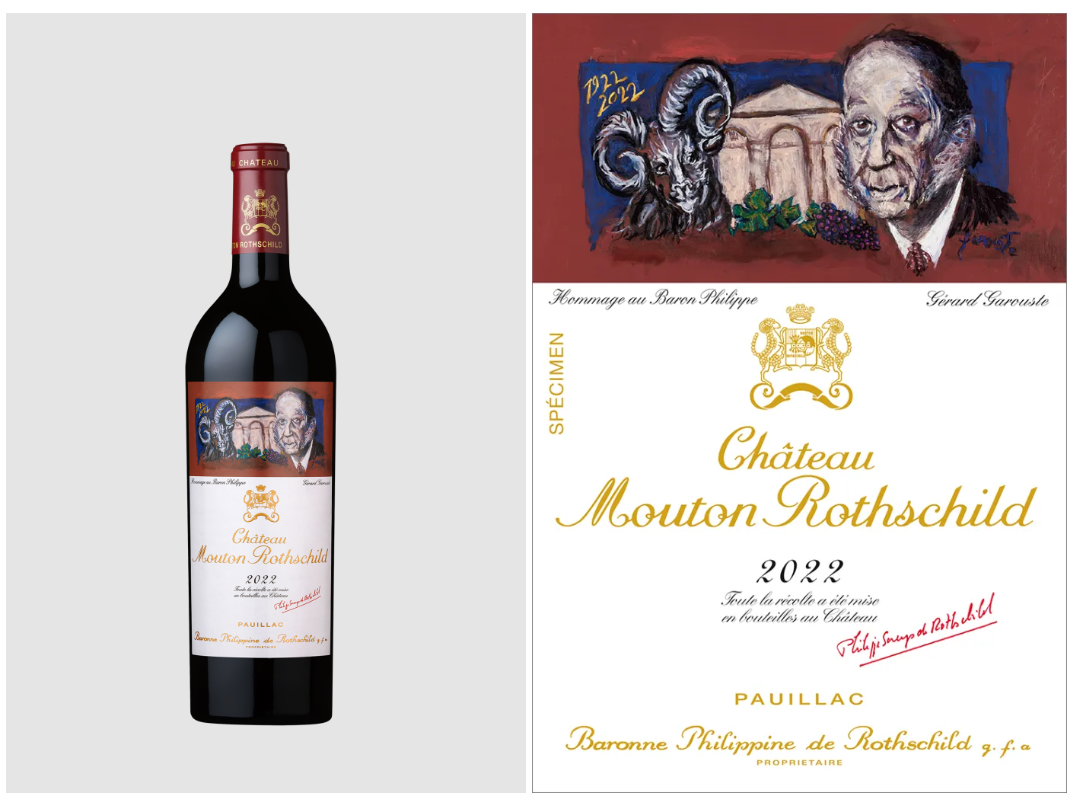
Bordeaux First Growth Château Mouton Rothschild revealed its 2022 label design on December 1st.  Created by French artist Gérard Garouste, the original artwork commemorates the 100th anniversary of Baron Philippe de Rothschild’s leadership at the family estate. 

The label showcases the château’s iconic front wall and a grapevine, elegantly framed by a portrait of Philippe de Rothschild and a ram, his signature emblem.

The tradition of artist-designed labels began in 1945, when Baron Philippe de Rothschild marked the end of World War II with a special artwork featuring a ‘V’ for victory, designed by Philippe Jullian.

As previously explored, this practice has significantly enhanced Mouton Rothschild’s collectability, and the wine’s value has typically risen in the month following the label reveal. 


Mouton Rothschild: ahead of the pack

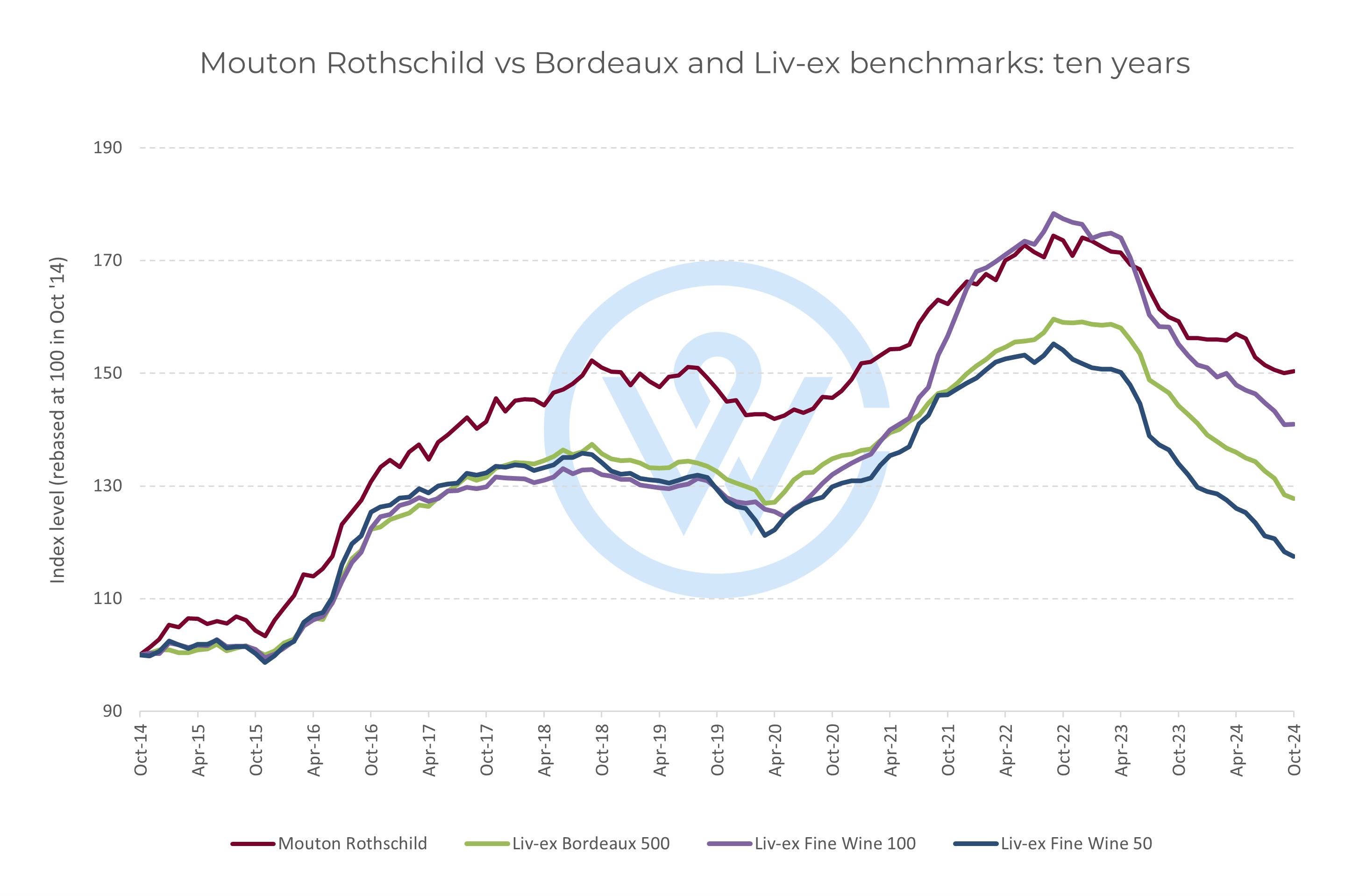
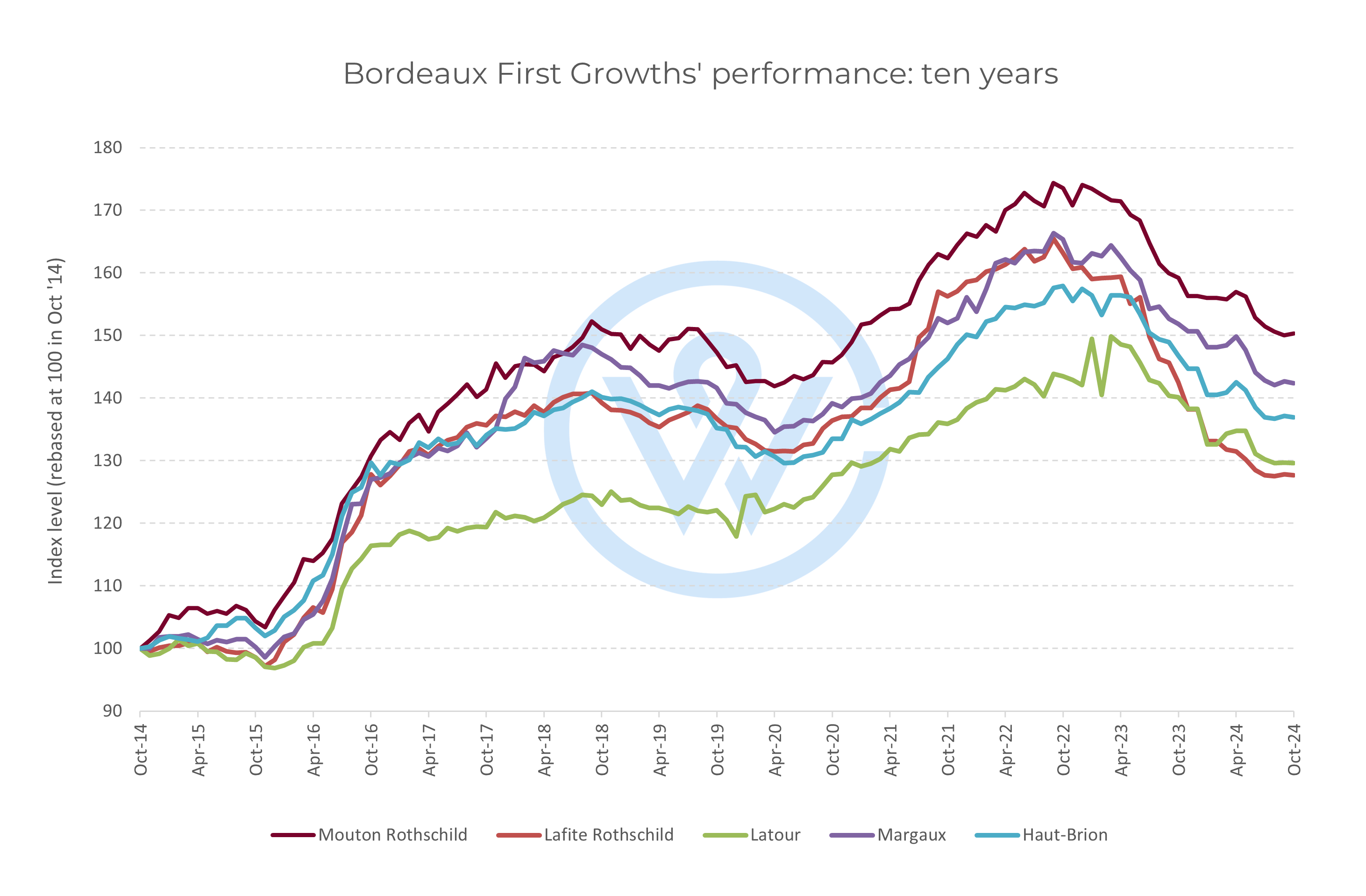
While the artist designed labels alone are not the key drivers of Mouton Rothschild’s investment performance, the wine does lead the way among its peers. It is the best performing First Growth over the last decade. 

Mouton Rothschild prices have risen 50.3%, compared to 42.3% for Margaux and 36.9% for Haut-Brion. Both Lafite Rothschild and Latour have increased by close to 30% over the same period.


From the market’s low in June 2014 to its peak in September 2022, Mouton Rothschild recorded a 76% increase. It was the first First Growth to recover from the correction following the China-driven wine boom. 

During the recent market downturn, Mouton Rothschild has exhibited relative resilience. Prices have fallen 13.8% since its peak. Only Haut-Brion has seen a smaller decline of 13.1%. The biggest faller has been Lafite Rothschild, down 22.8% since September 2022. 

Mouton Rothschild and the broader market

Mouton Rothschild is also nicely positioned in the broader wine investment market. It has outperformed the industry benchmark, the Liv-ex 100 index, which is up 40.9% over ten years. It has also fared better than the Liv-ex 50 (17.5%), which tracks the price movements of the First Growths, and the broader Bordeaux 500 index (27.8%).


Mouton Rothschild has demonstrated consistent strength in the fine wine market, supported by its established history and strategic positioning. The estate’s practice of commissioning artist-designed labels has enhanced its collectability, strengthened by its reputation for quality.

The release of the 2022 label marks another milestone in the estate’s history. Mouton Rothschild’s performance, both in terms of relative resilience during market downturns and long-term growth, highlights its role as a reliable component in a well-diversified wine investment portfolio.

WineCap’s independent market analysis showcases the value of portfolio diversification and the stability offered by investing in wine. Speak to one of our wine investment experts and start building your portfolio. Schedule your free consultation today.
Categories
Learn

What is a market dip, and how can fine wine investors take advantage?

  • A market dip is a temporary decline in prices, caused by economic or market-specific factors.
  • Buying the dip is advised when the underlying market fundamentals are favourable.
  • This is arguably the best time to invest in fine wine in a decade.

A market dip is a temporary drop in prices. This is often caused by economic or market-specific factors. In the fine wine market, these dips are less frequent and less volatile compared to traditional financial markets like stocks or bonds. While the fine wine market has been bearish three times since the turn of the century, global mainstream markets have experienced many more significant crashes. 

However, when a dip does occur, and provided that the fundamentals are strong, it can present a unique opportunity for buyers. Investors can enter the market, adjust their allocations or expand their portfolios with high-value brands and rare vintages at discounted prices. Sellers may look to liquidate their stock, offering rare and premium wines from regions like Bordeaux, Burgundy, and Champagne at more attractive prices.

Currently, the fine wine market is benefitting buyers. While the temporary drop in prices might raise concerns on the surface, those who adopt a long-term, strategic approach can reap significant rewards by buying the dip.

Buying the dip when the fundamentals are strong

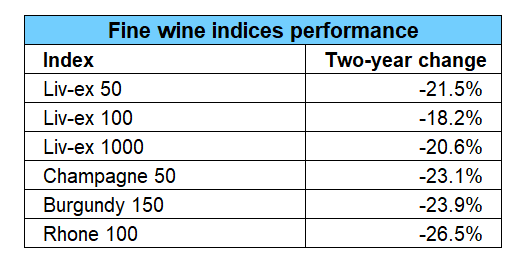
According to Sir John Templeton, the best time to invest is during ‘points of maximum pessimism’. With fine wine indices down over 20% from their 2022 peaks, this moment presents one of the best opportunities to buy in the last decade.

Fine wine fundamentals remain intact: wines improve with age, and become rarer over time as bottles are consumed. The market’s appetite for older vintages is still strong, and regions like Burgundy, Bordeaux and Champagne continue to break pricing records at auction.

Current macroeconomic environment and its impact

The global economy is currently facing several challenges – rising inflation, high interest rates, and geopolitical tensions, all of which have contributed to the recent dip in fine wine prices. 

Despite these macroeconomic factors, fine wine remains less volatile than traditional markets. During times of economic uncertainty, fine wine’s tangible nature and intrinsic value have helped it weather storms better than more speculative assets like equities or cryptocurrencies. 

Additionally, the growing demand for luxury goods continues to support the fine wine market. This demand will likely drive the next phase of growth once global economic conditions stabilise.

Historical fine wine market rebounds

Another reason for confidence is that the fine wine market has consistently rebounded after periods of economic downturn. During the 2008 global financial crisis, the Liv-ex 100 index fell by 25% but had risen over 60% by mid-2011. 

Similarly, Bordeaux’s peak in 2011 was followed by Burgundy’s rise, showing that demand for fine wine remains strong even if it shifts on a regional basis. This is why diversity is key. 

The market is no longer dominated solely by top Bordeaux, and spreading your allocations across key wines and vintages can balance an investment portfolio and maximise returns.

How to take advantage of the dip in the fine wine market

For investors looking to capitalise on the current market dip, the strategy is clear: buy low and hold for the long term. 

Focus on proven performers: Wines from top regions like Bordeaux, Burgundy, Italy and Champagne have historically demonstrated resilience. Investing in top vintages and estates offers a measure of security.

Take advantage of fear-driven selling: As some sellers look to exit the market prematurely, investors can acquire undervalued wines with strong growth potential.

Diversify your portfolio: Spread your investment across different regions, producers, and vintages to mitigate risk and maximise returns.

Get in touch to discuss your allocations or to start building your fine wine collection. Schedule a consultation.

Categories
Quarterly-reports

Q1 2024 Fine Wine Report

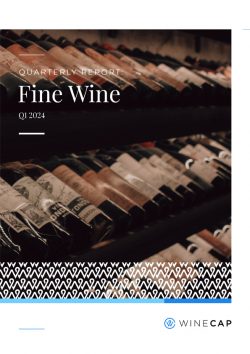
Our Q1 2024 Fine Wine Report has now been released. The report offers a comprehensive overview of the fine wine market in the last quarter, including the impact of interest rates and geopolitical risks, the best-performing wines and regions, and analysis on the rising popularity of non-vintage Champagne as an investment.

Report highlights:

  • Mainstream markets rallied in Q1 2024, driven by resilient economic growth and expectations for future interest rate cuts by central banks.
  • The first green shoots started to appear in the fine wine market towards the end of Q1.
  • Fine wine prices (Liv-ex 100 index) experienced a smaller decline of 1% in Q1, compared to a fall of 4.2% in Q4 2023.
  • Italian wine enjoyed rising demand amid a flurry of new releases, including the 100-point Sassicaia 2021.
  • A number of Champagne labels that experienced consistent declines last year have started to recover, including Dom Pérignon, Salon Le Mesnil, and Pol Roger.
  • The Burgundy 2022 En Primeur campaign delivered high quality and quantity, with about 10% of producers reducing pricing year-on-year due to the challenging market environment.
  • China lifted tariffs on Australian wine after more than three years.
  • Critics and trade are now preparing for the 2023 Bordeaux En Primeur campaign, which will dominate the news in Q2 2024.

Click below to download your free copy of our quarterly investment report.


Fine Wine Report

Categories
News

Fine wine market trends amid economic shifts in Q1 2024

The following article is an extract from our Q1 2024 Fine Wine Report which will be published in full later this week.

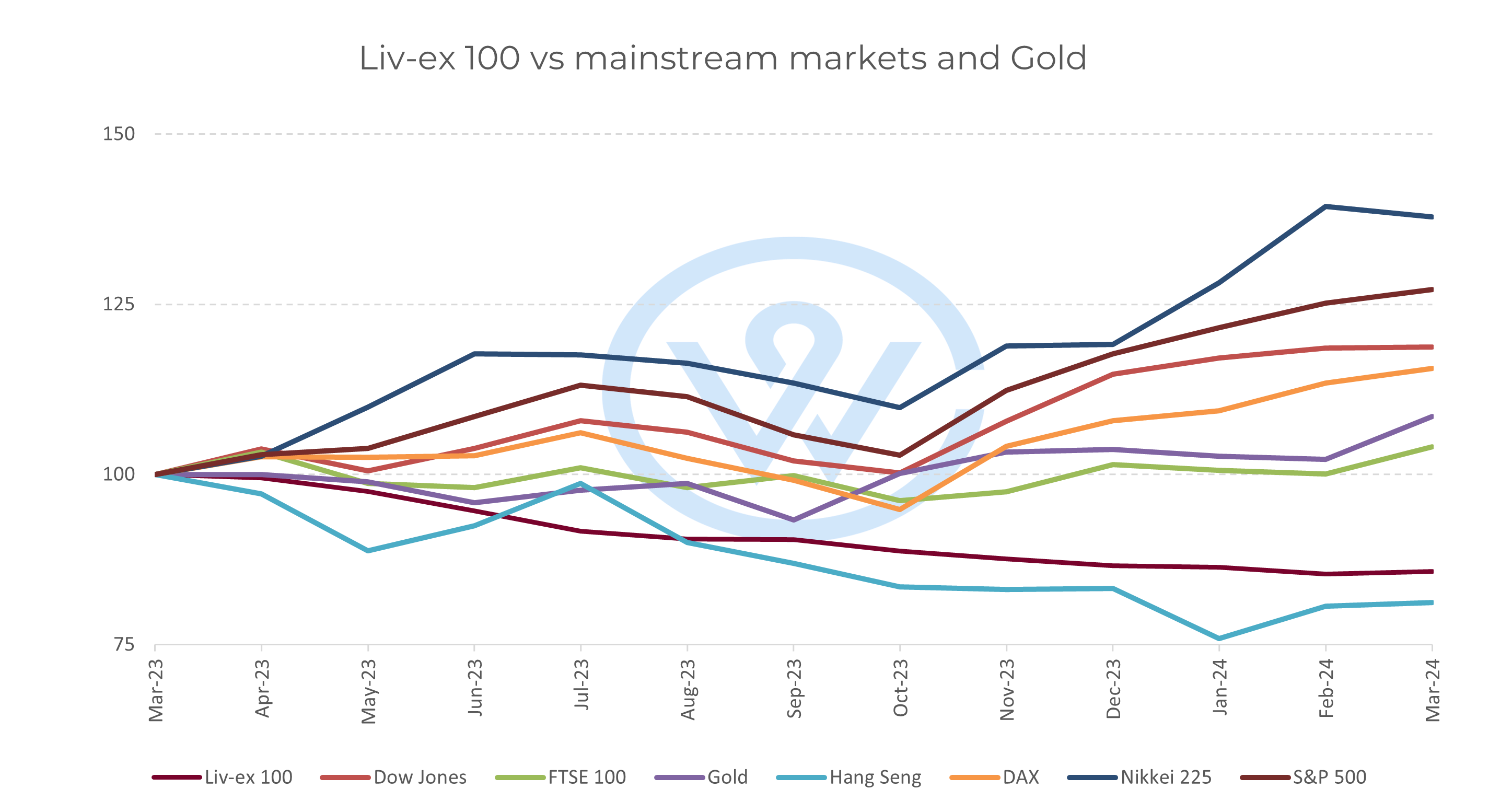
  • The industry benchmark Liv-ex 100 index fell 1% in Q1 2024, a milder decline than the 4.2% dip at the end of last year.
  • Bond and equity markets rallied in anticipation of interest rate cuts by major central banks.
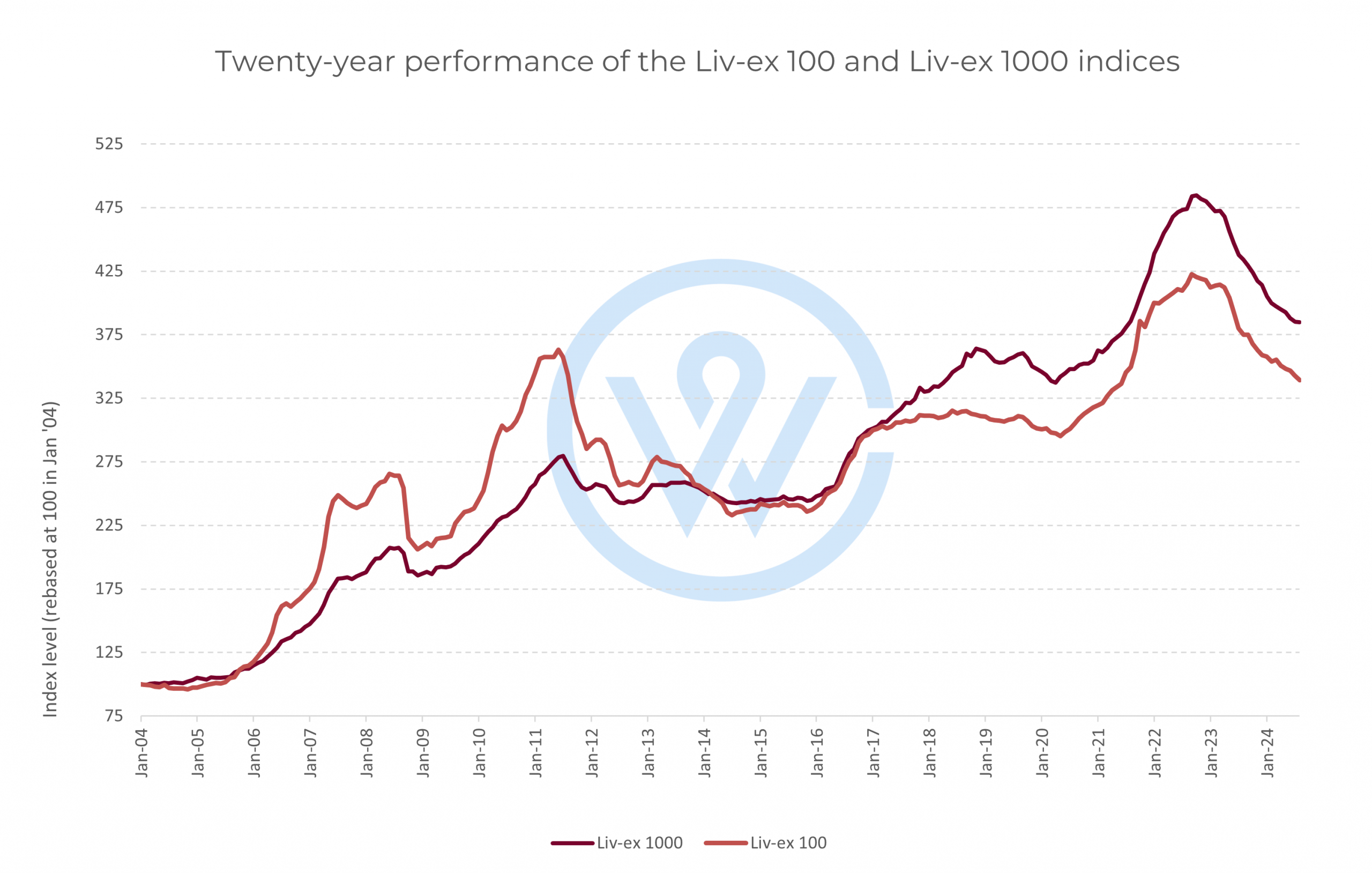
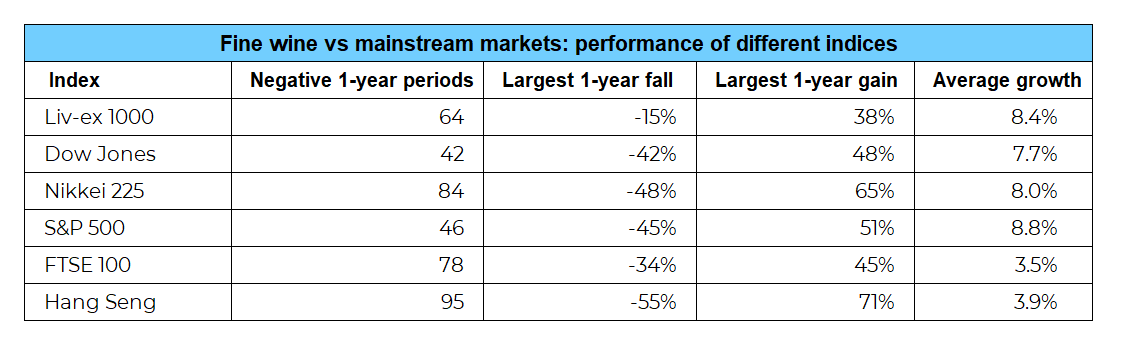
  • Over the past twenty years, the Liv-ex 1000’s most significant year-on-year dip was only 15%, less severe than that of major stock indices like the S&P 500 (-45%).

After a challenging start to the year, the global economy is showing signs of resilience and potential growth. As we moved past the first quarter of 2024, both bond and equity markets rallied in anticipation of interest rate cuts by major central banks. Notably, sectors like the fine wine market are expected to benefit from these shifts, although the impact has not yet materialised.

The fine wine market in Q1 2024

The industry benchmark, Liv-ex 100 index, saw a modest decline of 1% in Q1 2024, an improvement from the 4.2% dip observed at the end of the previous year. This index experienced a slight drop of 0.3% in January and 1.1% in February but recovered in March with a 0.4% increase, marking its first rise in twelve months. Influential movers included Promontory and Dominus from Napa Valley, Super Tuscan Sassicaia, and Clos des Papes Châteauneuf-du-Pape. Despite this recovery, the fine wine market’s performance still lags behind mainstream financial markets.

Comparing mainstream markets

Mainstream indices such as the Nikkei 225 and the S&P 500 have shown remarkable strength over the past year. Their annual growth from March 2023 to March 2024 ranks in the top 10% of year-on-year periods this century.

However, bond and equity markets experienced heightened volatility at the beginning of the year, due to geopolitical risks like the Middle East conflict and ongoing uncertainty around interest rates. This confluence of factors boosted the safe-haven asset Gold which has extended its run on buying momentum.

A decade of the Liv-ex 1000 index

Celebrating ten years since its official launch in January 2014, the Liv-ex 1000 index provides two decades of insight into fine wine prices, encompassing a wide range of regions including Bordeaux, Burgundy, Champagne, the Rhône, Italy, and the rest of the world (Spain, Portugal, the USA, and Australia).

Over the past twenty years, while the Liv-ex 1000 has seen 64 year-on-year declines, its most significant drop was only 15%, considerably less severe than that of major stock indices like the S&P 500, which once fell by 45%.

On the upside, the Liv-ex 1000’s best annual performance showed gains of 38%, comparable to those of major indices like the FTSE 100 and the Dow Jones, and its average growth rate of 8.4% is higher than many mainstream markets, only trailing behind the S&P 500.

As the global markets navigate through turbulent waters, the nuanced performance of the fine wine sector, detailed in our comprehensive Q1 2024 report, continues to offer valuable perspectives on both the challenges and opportunities that lie ahead.

Stay tuned for the full report later this week.

WineCap’s independent market analysis showcases the value of portfolio diversification and the stability offered by investing in wine. Speak to one of our wine investment experts and start building your portfolio. Schedule your free consultation today.