Categories
Learn

Barolo wine: a guide to Italy’s most collectible red

  • Barolo, the benchmark for Nebbiolo, sits at the top of Italy’s fine wine hierarchy.
  • Its rarity, long ageing potential and diversity of styles make it highly collectable.
  • In the secondary market, top Barolo producers often outperform all other Italian regions.

Barolo sits at the very top of Italy’s fine wine hierarchy. It’s the benchmark for Nebbiolo, the calling card of Piedmont, and one of the most consistently traded Italian categories on the secondary market. However, it’s also a wine that can feel intimidating: communes, crus, “traditional vs modern”, long ageing, and producer styles vary dramatically even within a few kilometres.

This Barolo wine guide is designed to demystify the region – whether you’re buying your first serious bottle, building a cellar, or thinking about it as part of a diversified fine wine portfolio.

What is Barolo?

Barolo is a DOCG wine from the Langhe hills in Piedmont, made from 100% Nebbiolo. It is known for high acidity and tannin, aromatic complexity (rose, tar, dried cherry, spice), and an ability to improve for decades in bottle – traits that underpin its collector appeal.

Why Barolo is built for cellaring

One reason Barolo has such strong longevity and investment relevance is the mandatory ageing requirement: Barolo must be aged at least 38 months before release, and Barolo Riserva must be aged longer (commonly cited as 62 months), depending on the rules in force and producer practice. This extended maturation helps set expectations in the market: Barolo is supposed to age, and top examples routinely do.

Traditional Barolo

Barolo’s modern identity was forged in a late-20th-century stylistic divide that continues to shape both perception and pricing today.

For much of the 20th century, Barolo was defined by a firmly traditional approach. Long macerations – sometimes stretching to 30 days or more – extracted formidable tannin and structure from Nebbiolo’s thick skins. Ageing took place in large, neutral Slavonian oak casks (botti), which had often already been used multiple times. This practice remains in place today. These vessels allow slow, gradual oxygen exchange without imparting overt oak flavour. The result? Wines that emphasise structure, savoury complexity, and terroir transparency over fruit sweetness or texture. In youth, they can seem austere, even severe. With time, however, they develop the haunting aromatics and layered nuance that define classic Barolo.

Modern Barolo

In the 1980s and 1990s, a new generation of producers – often referred to as the “modernists” – sought a different expression. Shorter macerations reduced harsh tannin extraction, while ageing in smaller French oak barriques, frequently new or partially new, introduced a different dynamic. Smaller barrels increase the ratio of wood surface area to wine, accelerating oxygen exchange and allowing oak compounds like vanillin, toast, spice and subtle sweetness to influence the wine’s profile. The tannins often feel rounder and more polished, the fruit darker and more immediate, and the wines generally more accessible in their youth.

Oak, therefore, became more than just a maturation vessel but a stylistic signature. Large botti tend to preserve Nebbiolo’s natural austerity and aromatic precision, while small barriques can frame the grape in a richer, more textural, internationally recognisable style.  Over time, the binary has softened. Many leading estates now blend elements of both philosophies, moderating extraction, using a mix of large casks and smaller barrels, and aiming for balance rather than dogma. 

Why Barolo style matters

From an investment perspective, style matters because it shapes buyer pools. Some collectors actively seek the slow-burn, classically structured wines that demand patience and reward decades in the cellar. Others prefer a more polished, earlier-drinking profile that broadens appeal across international markets. Crucially, the most successful producers, whether modernists or traditionalists, maintain liquidity because demand rests on reputation, consistency, and ageing track record.

Barolo’s map: communes and how they taste

Barolo is one of the world’s clearest examples of place-defining style. Within the small Barolo DOCG, varied vineyard exposure, altitude, soil type, and producer philosophy can dramatically shift the personality of a wine.

That said, collectors often use the main communes as a shorthand for understanding Barolo style, ageing potential, and overall profile, especially when comparing bottles on the secondary market.

Key Barolo communes 

Below is our Barolo wine guide to the region’s most important communes.

  • La Morra
    • Often the most perfumed and approachable in youth
    • Notes of rose, red cherry, violet, sweet spice
    • Generally softer tannins and earlier-drinking charm
  • Barolo (commune)
    • Can combine perfume with more depth and structure than La Morra
    • Often shows classic tar-and-roses character with firm backbone
    • A strong balance of finesse and ageing ability
  • Monforte d’Alba
    • Typically darker, more muscular, and structured
    • Powerful tannins, earthy tones, black cherry, liquorice
    • Built for long ageing and collector demand
  • Serralunga d’Alba
    • Often the most intense and long-haul expression of Barolo
    • Firm tannic spine, mineral grip, darker fruit, iron-like depth
    • Highly prized for investment-grade longevity
  • Castiglione Falletto
    • Frequently, the “sweet spot” commune: perfume and structure
    • Aromatic lift with serious mid-palate power
    • Often considered one of the most complete all-round expressions
  • Verduno
    • Lighter-framed but highly distinctive: spice, florals, lift
    • Often shows herbal notes, pepper, red fruits, and energy
    • Increasingly sought-after by “insider” collectors

Barolo’s MGA labelling

Barolo’s “MGA” system (translating as “additional geographic mentions”) functions like a cru framework: it gives clearer origin signals and helps buyers compare vineyard-designated bottlings across producers. In practice, that clarity supports collectability because it improves recognition and repeat buying.

What makes Barolo investment-grade?

Not all Barolo is investment-worthy. The bottles that behave best in the secondary market usually share five key traits:

1. Producer reputation and long-term consistency

Investment-grade Barolo almost always begins with the producer.

  • Decades (often generations) of proven quality
  • Strong performance across multiple vintages – not just in “great” years
  • Established global distribution and recognition

Collectors and merchants prioritise names with a track record (to check the performance of your favourite Barolos, visit Wine Track). Consistency reduces risk, supports liquidity, and anchors pricing even during broader market slowdowns.

2. Recognisable vineyards or flagship labels

Single-vineyard (cru) Barolos with strong brand equity tend to trade more reliably.

  • Clearly labelled, prestigious crus
  • Estate flagship bottlings with cult followings
  • Wines that appear regularly in auction results and critic reports

In fine wine investment, recognisability matters. Buyers gravitate toward labels they understand and can benchmark easily.

3. Scarcity and allocation pressure

Supply dynamics play a major role in price behaviour.

  • Limited production volumes
  • Tight allocations to merchants
  • Strong on-trade (restaurant) and private client demand

Scarcity supports pricing power, particularly when global demand widens. Wines that are hard to source tend to maintain tension in the market.

4. Sustained critical attention

While high scores can spark short-term spikes, what truly drives investment performance is consistent quality and repeated coverage.

  • Consistent strong reviews across vintages
  • Ongoing commentary from major critics
  • Inclusion in vintage retrospectives and “top wine” lists

Repeat visibility reinforces confidence. It builds a narrative around the wine, which sustains demand. 

5. Provenance and professional storage

Even the greatest Barolo will struggle in the market without impeccable provenance supported by:

  • Professional bonded storage
  • Clear transfer history
  • Untampered original packaging

In today’s market, institutional and high-net-worth buyers prioritise condition and traceability.

Top Barolo producers for collectors

Below is our quick guide to the best Barolo producers from an investment perspectives – estates that see steady collectors’ demand.

Giacomo Conterno (especially Monfortino)

If you want a single label that globally signals serious Barolo collecting, Conterno is it. Monfortino Riserva is widely treated as a blue-chip Italian collectible, combining rarity, historic reputation, and famously long ageing curves — all traits that tend to underpin long-term demand.

Bartolo Mascarello

Mascarello is emblematic of “traditional Barolo” and has become a cultural symbol as much as a producer, helped by the estate’s uncompromising identity and loyal collector base. Their history (estate roots and a long-standing family narrative) is part of the brand power that keeps demand resilient. The market watches Mascarello releases closely because scarcity and reputation combine into a powerful collector signal.

Giuseppe Rinaldi

Long a cult favourite, Rinaldi is defined by tiny production and obsessive collector loyalty. These are the types of wines that can remain firm even during softer market cycles, simply because bottles become difficult to replace once they disappear into private cellars.

Bruno Giacosa

Bruno Giacosa remains one of Piedmont’s most respected names, often associated with finesse, precision, and classical structure. The estate’s top Barolos carry enduring prestige, particularly among collectors who prioritise elegance over sheer power.

Cappellano

A true “insider” estate, Cappellano is spoken about with reverence among Barolo specialists. Scarcity, a fiercely consistent house style, and limited international supply combine to create long-term collectability.

Luciano Sandrone

Sandrone is a modern-era benchmark and one of the most globally understood names in Barolo. The wines often strike a balance between power, polish, and early approachability, which tends to broaden the buyer pool – helpful for liquidity.

Elio Altare

Altare is closely tied to the modernist chapter of Barolo history, and that narrative itself has become part of the collectable appeal. For many buyers, Altare represents a style shift that shaped modern Barolo’s global reputation.

Roberto Voerzio

Voerzio is associated with intensity, concentration, and limited supply, a combination that can perform well when allocations tighten and demand remains international. The estate’s wines are often bought with long-term collecting in mind.

Vietti

Vietti is extremely collector-friendly: widely recognised, strong branding, and often released across multiple crus, making it easier to build a structured cellar (verticals, commune comparisons, vineyard sets). It also benefits from consistent visibility in the global fine wine conversation.

Best Barolo vintages

Vintage matters in Barolo, but its importance varies depending on your goal.

If you’re buying to drink, you can often win by targeting “less hyped” vintages from elite producers. These years can offer outstanding quality at better pricing, often with earlier accessibility.

If you’re buying for investment, vintage confidence becomes far more important. The best-performing Barolo vintages are the ones the global market broadly agrees on – because shared confidence drives demand, pricing power, and liquidity.

In Barolo, the ideal vintage delivers tannin ripeness, aromatic purity, and acidity in balance. When that happens, the wines don’t just age well – they become long-term reference points for collectors.

Top Barolo vintages 

These are the vintages most widely regarded as benchmark years, with strong consistency across producers and excellent long-term ageing potential:

  • 1988 – classic, structured, long-lived
  • 1989 – richer, generous, highly collectable
  • 1990 – iconic, powerful, long-haul Barolo
  • 1996 – firm, structured, built for decades
  • 1999 – excellent balance, depth, ageing curve
  • 2001 – one of the great modern “complete” vintages
  • 2010 – highly celebrated, textbook balance and longevity
  • 2016 – outstanding across the region; one of the most trusted recent vintages
  • 2019 – emerging as a modern classic with freshness and depth

These years tend to show the qualities collectors love most: structure without harshness, aromatic complexity, and a long runway of development.

How Barolo performs in a portfolio

Barolo demand is producer and site-led

Collectors often buy Barolo because they want a particular estate and, increasingly, a particular cru or commune. This creates a “specialist collector base” dynamic: deep knowledge, high conviction, and strong attention to provenance and bottle condition.

Structure supports long ageing curves

Nebbiolo’s tannin and acidity framework means top wines often need time before they reach peak drinking and peak market maturity. That longer runway can be a feature (rarity over time), but it also means Barolo is rarely a quick-turn category.

Liquidity concentrates at the top

The blue-chip names can be extremely tradeable, but the mid-tier is more style and market-dependent than Tuscany’s global flagships. 

Barolo vs Super Tuscans

In the market, Barolo often behaves differently from the Super Tuscans – the most liquid group of Italian wines:

  • Barolo: site/producers drive demand; tannin structure supports long ageing; strong specialist collector base.
  • Super Tuscans: brand power is more “global luxury”; often broader mainstream liquidity.

Most serious Italian-focused portfolios hold both: Barolo for terroir-driven collectability, Tuscany for brand-driven liquidity.

FAQs

Is Barolo a good investment wine?

Top Barolo can be investment-grade when it combines producer reputation, scarcity, consistent demand, and strong provenance. The category is a core pillar of Italian fine wine collecting, particularly among Piedmont specialists.

What is the best Barolo producer?

There isn’t one “best” producer. That said, blue-chip names that commonly perform well in the secondary market and see sustained demand include Giacomo Conterno, Bartolo Mascarello, Giuseppe Rinaldi, and Bruno Giacosa. Modern benchmarks like Sandrone, Altare, and Voerzio are also top performers.

How long should you age Barolo?

Many quality Barolos benefit from extended ageing; the category is defined by long-term evolution, reinforced by required minimum ageing before release. 

What is the difference between Barolo and Barbaresco?

Both are 100% Nebbiolo from Piedmont, but Barolo is often called the “King” and Barbaresco the “Queen.” Barolo soils (especially in Serralunga) tend to produce more powerful, tannic wines that require longer ageing. Barbaresco generally has slightly sandier soils and a warmer maritime influence, leading to softer tannins and earlier accessibility.

What does “MGA” stand for on a Barolo label?

MGA stands for Menzioni Geografiche Aggiuntive. It is the official classification system that defines specific vineyard boundaries (similar to the “Cru” system in Burgundy). Seeing an MGA name like Cannubi or Vigna Rionda on a label typically indicates a higher level of prestige and terroir specificity than a standard “normale” blend.

Why is Barolo so expensive compared to other Italian wines?

“The Three S’s” drive value: Scarcity (the DOCG is small), Structure (the high tannin/acid required for long-term cellaring), and Slow release (producers must hold stock for years before selling). This makes the cost of production and the “hold value” much higher than high-volume regions.

Do I need to decant Barolo?

Yes, almost always. Younger Barolos (under 15 years) need oxygen to soften their aggressive tannins and “open up” their floral aromatics. Older, sediment-heavy bottles should be decanted carefully just before serving to separate the wine from the solids, though fragile, very old bottles should be monitored closely as they can fade quickly once exposed to air.
Categories
News

La Place 2025: Key fine wine releases beyond Bordeaux

  • The La Place 2025 campaign has continued its expansion with more than 130 wines offered via the historic network.
  • As the campaign unfolds against a backdrop of economic uncertainty, some estates have paused their involvement while others see it as an even more necessary tool to secure sales.
  • We analyse the value and investment potential of some of the most important La Place releases.

The La Place 2025 campaign has continued its expansion with more than 130 wines offered via the historic network.

Firstly, what is La Place? Traditionally, La Place de Bordeaux (as it is called in full) was the centuries-old distribution system through which Bordeaux châteaux released their wines to international merchants. Over the past two decades, it has transformed into a global platform, with leading estates from Tuscany, California, Chile, and beyond joining to tap into its worldwide reach. For investors, La Place matters because it provides access to many of the world’s most sought-after wines at the moment of release – making it a barometer for both pricing trends and collector demand.

As the campaign unfolds against a backdrop of economic uncertainty, some estates have paused their involvement while others see it as an even more necessary tool to secure sales. We analyse the value and investment potential of some of the most important La Place releases.

La Place in 2025: what has changed

This year’s campaign unfolds against a backdrop of economic uncertainty, with the fine wine market still in the grip of a downturn that began in late 2022. Lower release prices have become more of an expectation, with the need to adapt to softer demand more noticeable than ever. Some estates have chosen to step back, pausing their La Place involvement for now, while others have come to view the system as key to securing global recognition and distribution. 

What remains unchanged is the underlying pull of La Place: demand among producers to gain access to this international sales platform continues to grow, ensuring a steady stream of new entrants even as others bow out.

Departures and pauses

Not every name is present this year. Montes Muse, Destiny Bay, and Bibi Graetz’s ultra-limited Balocchi are no longer part of the roster. Certain wines are absent due to production constraints rather than strategy: Penfolds Bin 169 was not made in 2023, while Cloudburst skipped its 2022 Malbec. Within Bibi Graetz’s portfolio, the white Testamatta and Colore were made in such small volumes that they will not be offered via La Place.

Shifting timelines

Another notable trend is the shift in release windows. Several well-known estates have moved from September to March releases, including Hermitage La Chapelle, Napa’s Favia, Chile’s Viñedo Chadwick, and Jackson Family Wines’ Cardinale. This rescheduling might help reduce bottlenecks during the crowded September calendar.

New arrivals

Despite some exits, the list of debutants reinforces La Place’s increasingly diverse profile. New highlights include:

  • Argentina (Mendoza): Zuccardi’s El Camino de las Flores
  • Australia (Clare Valley): Jim Barry Florita
  • Australia (Tasmania): Arras Grand Vintage
  • France (Loire): Vincent Delaporte (Sancerre), Domaine Luneau Papin (Muscadet), Laurent Lebrun (Pouilly-Fumé), Sébastien Brunet (Vouvray)
  • Spain (Ribeira Sacra): Cornamús (F. Algueira)
  • USA (California): Flowers (Pinot Noir & Chardonnay)

Most in-demand La Place releases

Some La Place releases command attention year after year. These include the Super Tuscans, California’s cult labels, and Bordeaux/New World collaborations such as Seña and Almaviva. But where do their latest vintage releases sit in the current market and the overall brand performance?

Masseto

Masseto was the first Italian wine to join La Place de Bordeaux back in 2009, offering its 2006 vintage through the international distribution system. It was also the first wine with no specific Bordeaux ties to join the platform, paving the way for other fine wines from around the world.

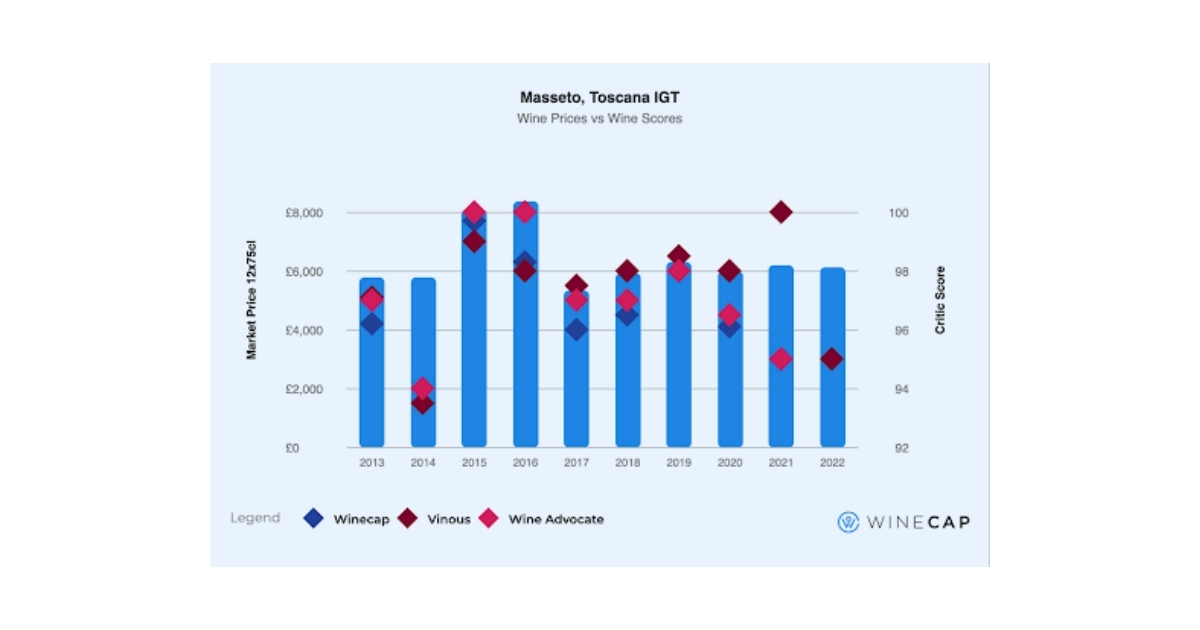
Earlier this month saw the release of its latest 2022 vintage at £6,140 per 12×75, down 1% on last year. The wine achieved 95 points from Antonio Galloni (Vinous) – his lowest score since the 2014. Still, he described it as ‘elegant and polished’ and ‘super refined’.

When it comes to value for money, the 100-point 2021 vintage makes a better buy. The lower-priced but higher-scored 2018 and 2017 vintages also offer better value. All of these vintages sit below the average brand price of £7,812 per case. Notably, our Masseto index has risen 67% over the past decade. 

Masseto fine wine prices

Solaia

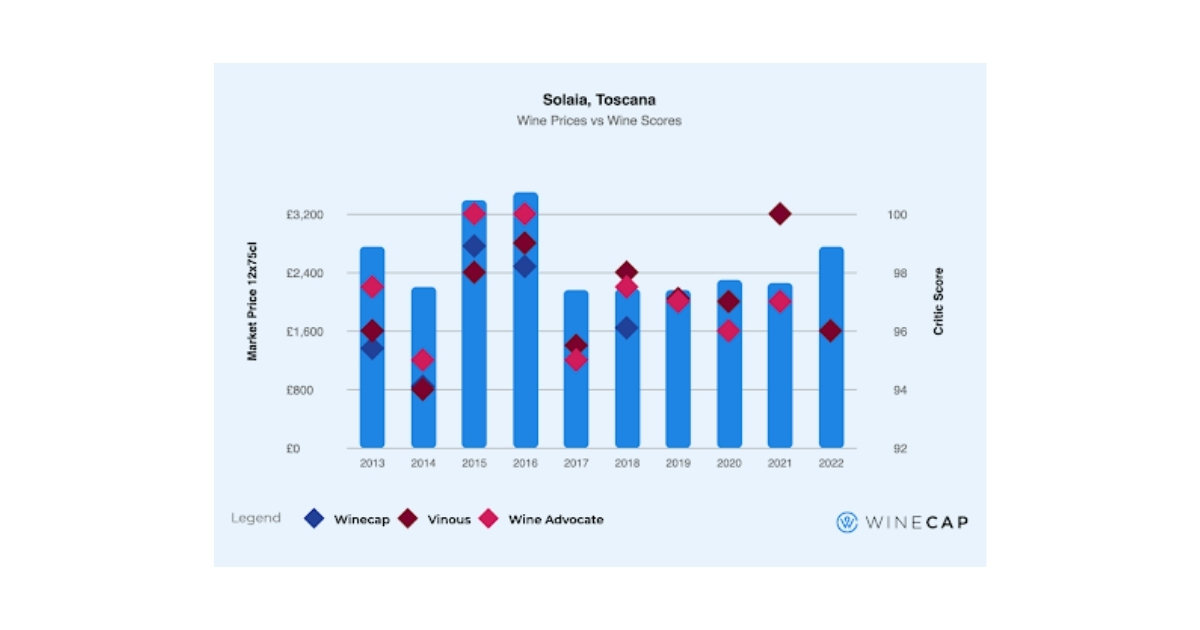
Another notable Super Tuscan follows a similar trajectory. Solaia 2022 was released at £3,300 per 12×75, flat on the 2021, which has since fallen in value. Comparing critic scores for the two weighs in favour of last year’s release, which earned 100 points from Galloni. The lower-priced 2018 Solaia also looks more attractive.

Over the past decade, our Solaia index has risen an impressive 113%. Even with the current market downturn, Solaia values have held relatively steady – up 3% in the last six months. 

Solaia fine wine prices

Opus One 

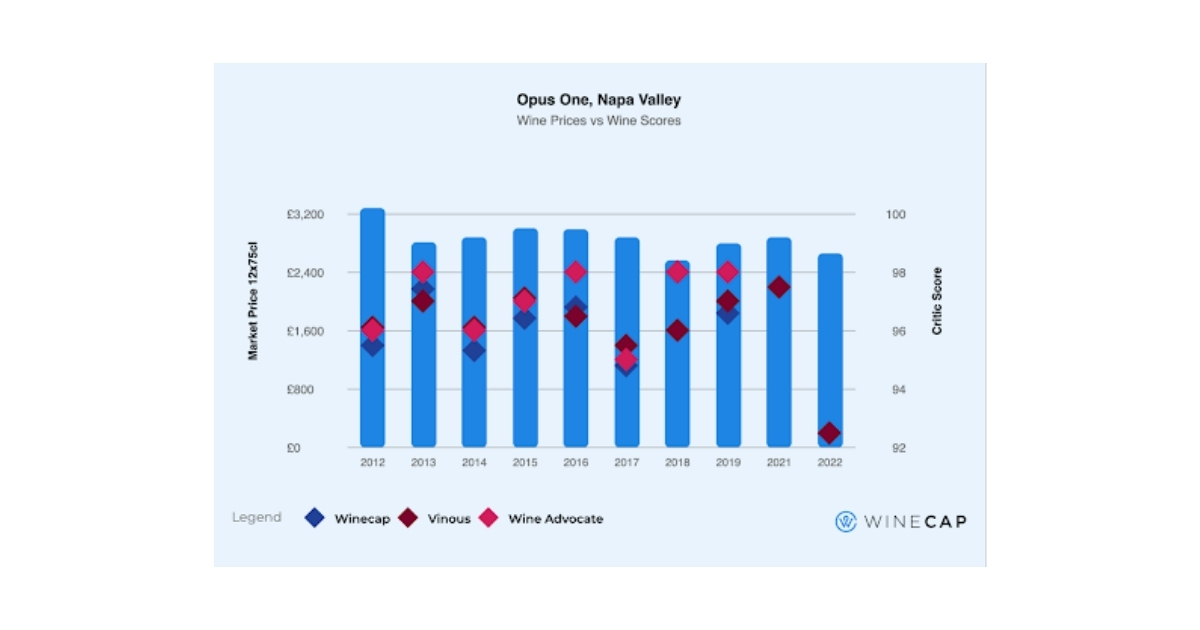
Moving past the Super Tuscans, the 2022 vintage of the USA’s most popular wine, Opus One, was released earlier this month at £2,820 per 12×75. The wine received 92+ points from Galloni, 96 points from Jane Anson and 95-97 points from Lisa Perrotti-Brown MW. Higher-rated vintages like 2018 and 2019 look better poised for investment.

The overall performance trajectory of Opus One has been positive: the brand is up 4% in the last six months, 18% in the last five years, and 95% in the last decade.

Opus One Napa Valley fine wine prices

Penfolds Grange 


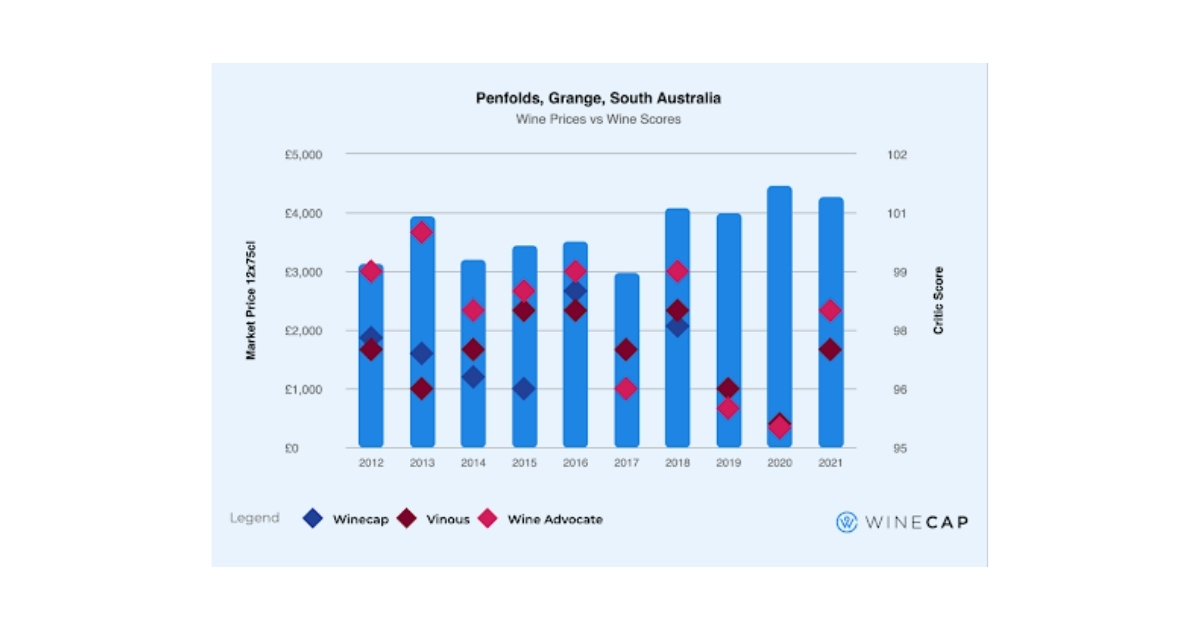
Penfolds, Australia’s leading wine brand, released its 2021 vintage slightly below 2020 but above most readily-available older vintages. The new release achieved 98 points from Jane Anson and Erin Larkin (Wine Advocate). Still, buyers will find better value in 2015 and 2016 – two of the most sought-after Penfolds Grange vintages.

Penfolds Grange Australian fine wine prices

Seña

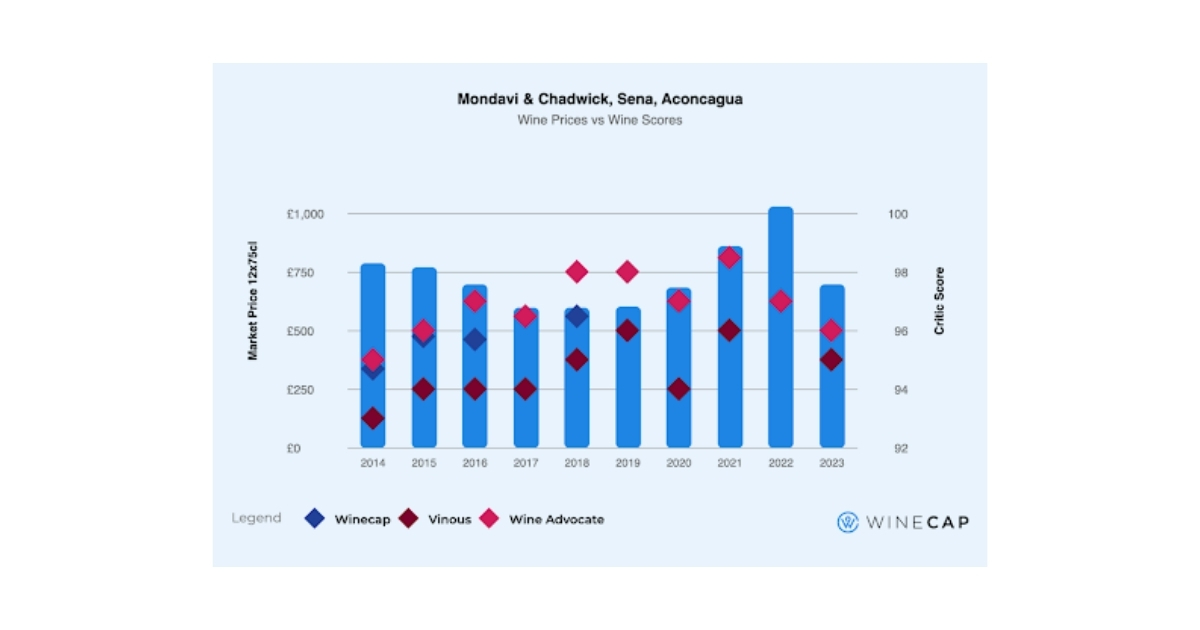
The 2023 vintage of Seña, which received 95 points from Joaquin Hidalgo (Vinous) and Jane Anson, was released at £720 per 12×75, down 36% on last year. Still, the 95-point 2018 and 96-point 2019 remain available at lower prices. 

In the last six months, our Seña index has risen 2%; over the past decade, it is up 70%.

Mondavi and Chadwick Sena fine wine prices

Almaviva

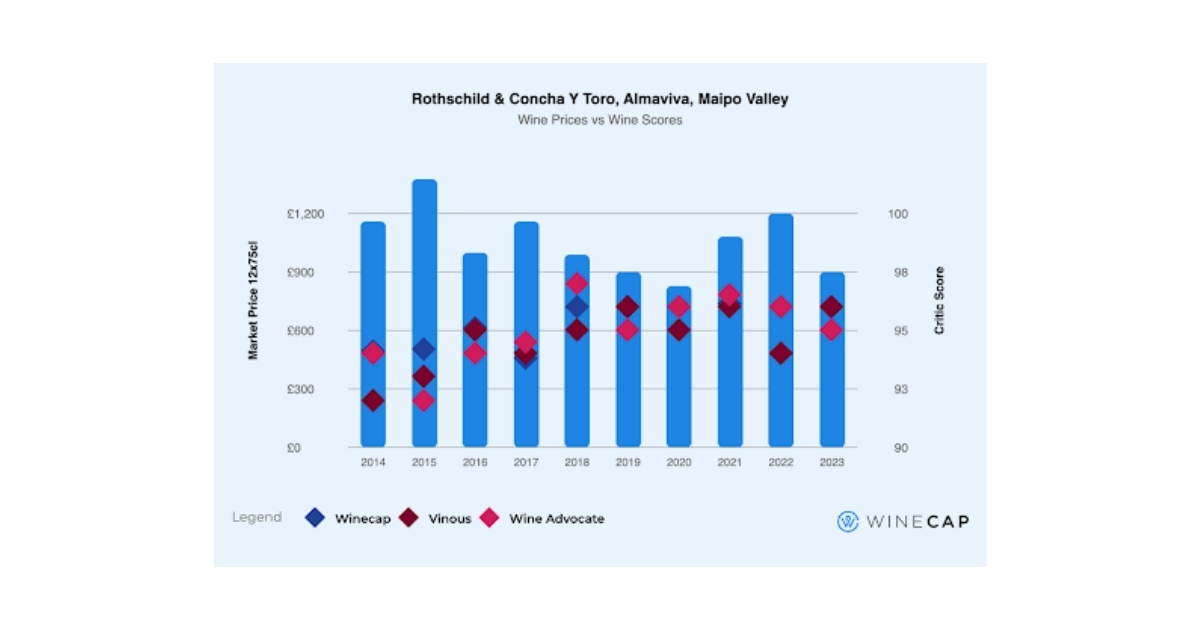
Almaviva, the most popular Chilean wine brand, also offered its 2023 vintage via La Place this September, at £924 per 12×75 case. The new vintage was awarded 96 points from Joaquin Hidalgo, placing it on par with the 2021 and 2019 vintages. The 2023 Almaviva has been one of the better value La Place releases, although from its back vintages, 2020 and 2019 look equally or even more attractive.

Almaviva fine wine prices

In terms of overall brand performance, our Almaviva index is up 141% in the last decade. The brand’s average price per case now stands at £1,565.

The 2025 La Place campaign inevitably reflects the global economic climate as well as the challenges and the resilience of today’s fine wine market. A cautious economic backdrop and softer demand have prompted some estates to step aside and others to lower prices, yet La Place continues to expand in scope and influence.

The arrival of new producers from Argentina, Australia, the Loire, and California highlights its ongoing globalisation, while established icons like Masseto, Solaia, Opus One, and Almaviva still command worldwide attention. The key for buyers remains having a selective and comparative approach. While new releases carry prestige and immediate buzz, back vintages often provide stronger value and proven performance. 

Want to learn more? See also: Is buying early always the best investment?

WineCap’s independent market analysis showcases the value of portfolio diversification and the stability offered by investing in wine. Speak to one of our wine investment experts and start building your portfolio. Schedule your free consultation today.


Categories
News

Older vintages dominate 2024’s best-performing wines

  • The biggest price risers in 2024 reveal a strong preference for older vintages.
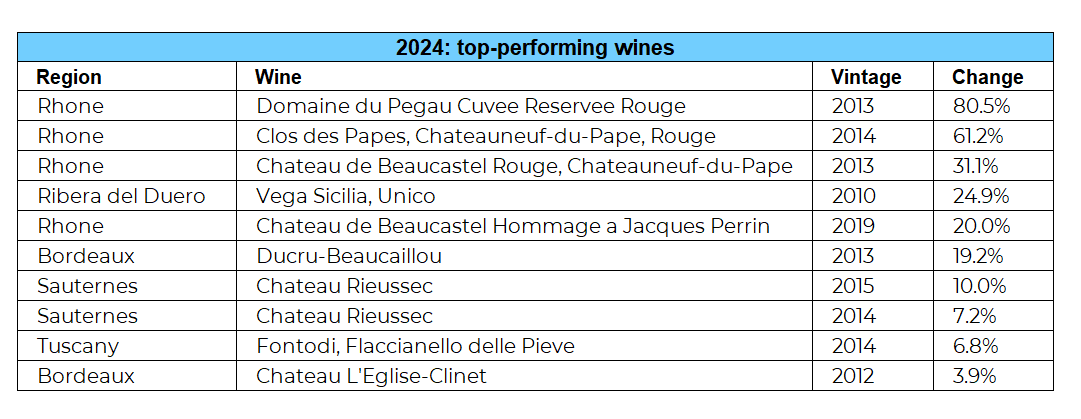
  • The best-performing wine came from the Rhône, having risen 80.5% in value year-to-date.
  • Tuscany, Ribera del Duero, Bordeaux and Sauternes also featured in the rankings.

The biggest price risers in 2024 reveal a strong preference for older vintages, underlining the importance of time in achieving wine investment returns.  

The Rhône leads performance

Although Rhône prices declined 9.9% on average this year, the region gave rise to some of the best-performing wines.

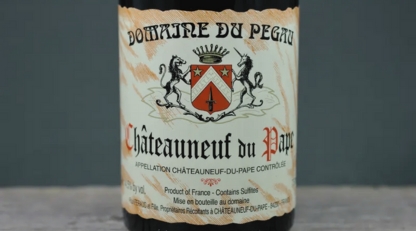
Domaine Pegau Châteauneuf-du-Pape Cuvée Réservée Rouge 2013 led the charge with an impressive 80.5% rise. Other regional standouts, including Clos des Papes Châteauneuf-du-Pape Rouge 2014 (61.2%) and Château de Beaucastel Rouge 2013 (31.1%), highlighted the enduring demand for Châteauneuf-du-Pape from highly rated mature vintages.

Highlights from Spain and Italy

While the Rhône claims several top spots, other regions also showcase the profitability of mature vintages. From Spain, the 2010 Vega Sicilia Unico achieved a notable 24.9% increase. Known for its high quality and limited production, Vega Sicilia continues to represent Spanish winemaking at its finest, cementing its status as a blue-chip investment wine.

Italy made a strong appearance with the 2014 Fontodi Flaccianello delle Pieve, which has risen 6.8% in value. This Tuscan gem, crafted from 100% Sangiovese, reflects the growing international appeal of Italy’s finest wines. Collectors are increasingly drawn to Italy not only for its iconic producers but also for its remarkable balance of accessibility and age-worthiness.


Bordeaux’s resilience

No fine wine discussion is complete without Bordeaux, and 2024 is no exception. While price growth among Bordeaux wines in this dataset may be more modest, the region’s consistency remains its hallmark. The 2013 Ducru-Beaucaillou saw a solid 19.2% increase, while the 2012 Chateau L’Eglise-Clinet also featured among the top performers. 

Two Château Rieussec vintages, the 2015 and 2014, reflected Sauternes’ consistent market performance, although the category is often overlooked.

The allure of maturity

The unifying thread across these top-performing wines is their maturity. Each wine has benefited from time in the bottle, allowing its market value to increase. Mature vintages offer an enticing combination of drinking pleasure and investment potential, a dual appeal that drives demand among collectors and investors alike.

This preference for older wines reflects a broader trend within the fine wine market: a growing appreciation for provenance and readiness to drink. As global markets for fine wine continue to mature, buyers are prioritising wines with a proven track record, both in terms of quality and price appreciation.

What this means for investors

The list of the best-performing wines of 2024 shows the importance of patience and long-term approach when it comes to investing. Additionally, diversification across regions and styles can help mitigate risk and enhance returns.

The performance of these wines provides a clear takeaway: older vintages remain at the forefront of the fine wine market. 

For more read our latest report “Opportunities in uncertainty: the 2024 fine wine market and 2025 outlook”.

WineCap’s independent market analysis showcases the value of portfolio diversification and the stability offered by investing in wine. Speak to one of our wine investment experts and start building your portfolio. Schedule your free consultation today.

Categories
News

James Suckling’s top wines of 2024

  • American critic James Suckling has released his top 100 wines of 2024 list.
  • His wine of the year is Bertani Amarone della Valpolicella Classico 2015. 
  • Italy dominates the rankings followed by France and the US.

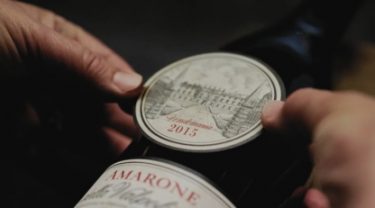
American critic James Suckling has released his top 100 wines of 2024 list, along with his wine of the year. The highest accolade went to Bertani Amarone della Valpolicella Classico 2015, which according to the critic, is a classical wine that embodies ‘the greatness of time and place’.

Regional distribution

Suckling and his team tasted and rated over 40,000 different wines over the past twelve months. The majority were from Italy, which accounted for over 9,100 of the reviewed wines, followed closely by France with 9,000, the US with 6,800, Spain – 3,800, Argentina – 2,300, Germany – 2,000, Australia – 1,700, and Chile nearly 1,550. They also tasted wines from other regions worldwide including Greece, Hungary, Canada and Uruguay.

Italy also dominated the list of their favourites, featuring with 26 wines in the top 100, followed by France (18), the United States (15), Germany (12), Argentina (6), Spain (6), Chile (6), Australia (5), Austria (4), South Africa (1) and China (1).

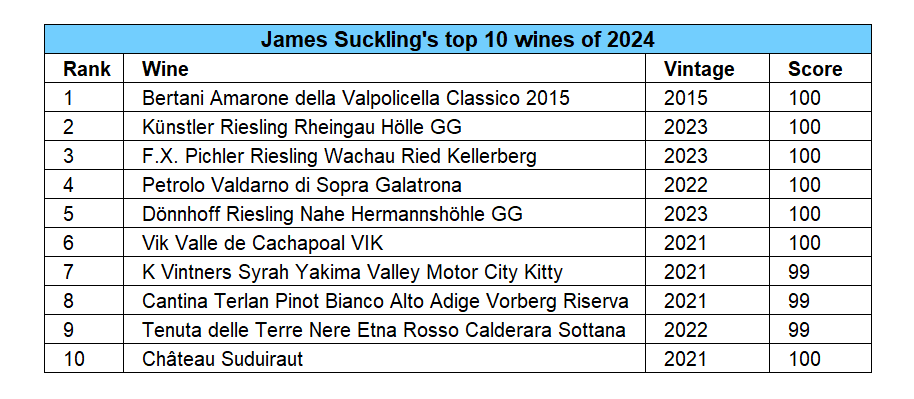
Suckling’s top 10 wines of 2024

James Suckling’s wine of the year is the 2015 Bertani Amarone della Valpolicella Classico, which he described as ‘full-bodied and elegant on the palate due to ripe, filigree tannins with long acidity and a toasty, savory aftertaste’. He called it ‘one of the great Amarones’ and gave it a 100-point score.


The top wines of the year were chosen on the basis of quality, price, and what Suckling calls the “wow factor,” an emotional impact a wine can have on the drinker. Most wines on the list scored between 97 and 100 points, with nine wines priced between $30 and $60 (£23 and £46), emphasising affordability alongside quality. Wines on the list were required to have a minimum production of 5,000 bottles, with a median price below $500 (£385).

Regional standouts

Germany had a standout year in 2023, particularly for its dry Riesling, with the Künstler Riesling Rheingau Hölle GG 2023 ranking second on the list and exemplifying the structured, balanced nature of this vintage.

Austria continued to gain critical recognition, especially for its white wines, with F.X. Pichler Riesling Wachau Ried Kellerberg 2023 taking the third spot. 

China was also present on the list with Ao Yun Shangri-La 2020, a wine from Moët Hennessy’s Yunnan winery, signaling the country’s growing role in the fine wine market.

Accessibility and value

Suckling noted that many of his favourite wines offer high quality at accessible price points. The focus on value addresses current concerns about the market’s downturn. For example, the wine that took the second spot is priced around $65 (£50), while Italian whites such as the Manincor Sauvignon Blanc Alto Adige Tannenberg 2022 are available for approximately $40 (£31).

Emerging trends

Suckling’s report further highlights an increasing interest in German and Austrian wines, especially among younger consumers, due to their quality and value. Events like Suckling’s Great Wines series, held across major cities globally, have drawn over 21,000 attendees this year. With wines from more established to emerging wine regions, Suckling’s 2024 list provides a guide to the critic’s top picks from across the globe.

WineCap’s independent market analysis showcases the value of portfolio diversification and the stability offered by investing in wine. Speak to one of our wine investment experts and start building your portfolio. Schedule your free consultation today.

Categories
News

Italian fine wine shows resilience amid market corrections

  • Italian fine wine has demonstrated resilience during the market’s latest corrective phase.
  • Piedmont and Tuscany have shaped the Italian fine wine market in complementary ways.
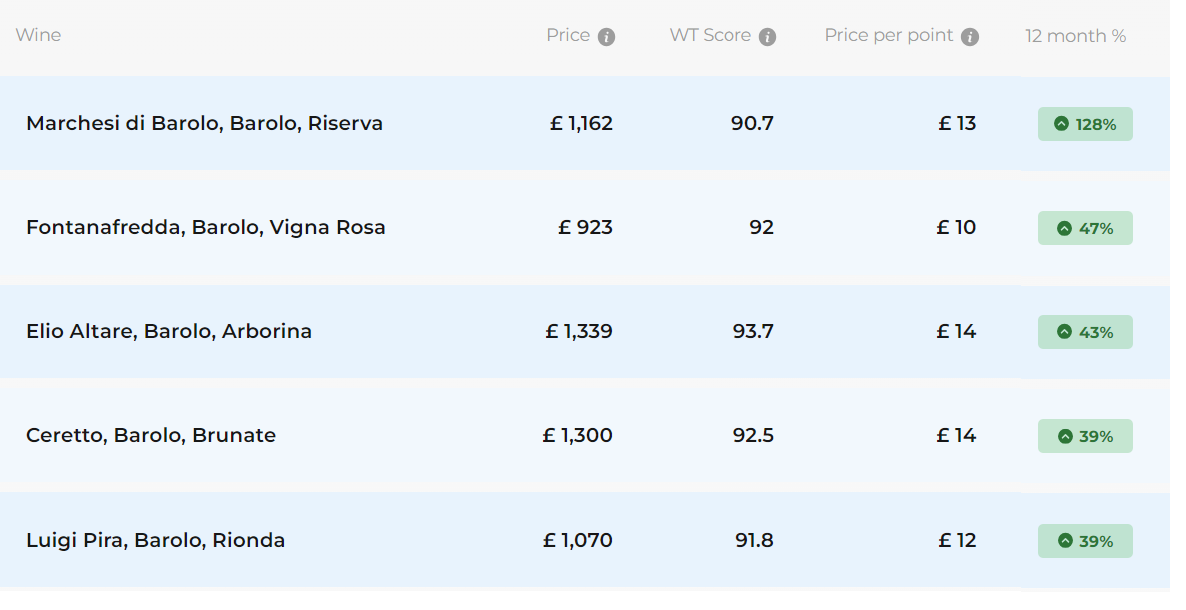
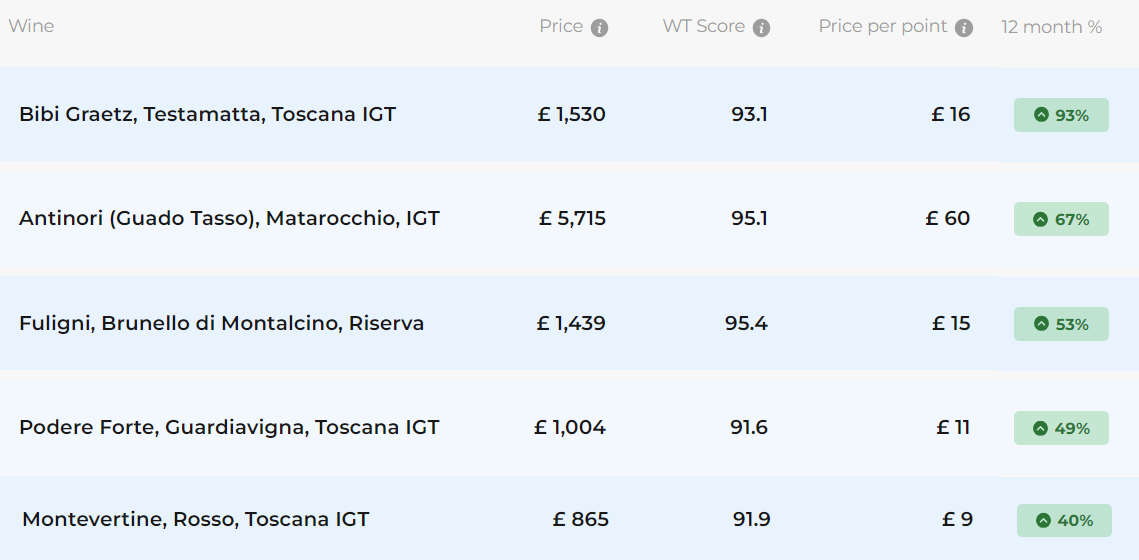
  • In the last year, Bibi Graetz Testamatta has been the best performing brand from Tuscany, up 93%, while Marchesi di Barolo Riserva has led the way in Piedmont, up 128%.

Italy has been a beacon of stability during the fine wine market’s latest corrective phase, which has seen prices fall 7.5% over the last year. The Italy 100 index has dipped just 0.4% during this time, but many of its top wine brands have continued to make considerable gains.

Italy’s stability is more than just a short-term trend; its long-term performance has been characterised by low volatility and steady returns. Its index has risen 286% in value over the last two decades, driven by growing demand for Italian fine wine, and quality improvements.

Indeed, the top wines of Piedmont and Tuscany compare favourably to Burgundy and Bordeaux in terms of critic scores, yet prices are often lower. Italy entices buyers with lower-cost access into the fine wine market, and the diversity of its offerings. On average, one can get a case of the top Super Tuscans (Tignanello, Sassicaia, Ornellaia) for £2,129; the First Growths (Mouton Rothschild, Haut-Brion and Margaux) cost more than double.

The complementary performance of Piedmont and Tuscany

Two major regions have played pivotal roles in shaping the Italian fine wine market in complementary ways: Piedmont and Tuscany.

Piedmont’s top wines, chiefly made from the native Nebbiolo grape, are produced in limited quantities, with rarity and exclusivity driving demand and prices. The dynamics behind the region’s performance evoke comparisons with Burgundy (and its signature Pinot Noir), where scarcity intensifies the allure. Historically, Piedmont has been the chief driver behind Italy’s rising prices.

Meanwhile, Tuscany has greatly contributed to cementing Italy’s place on the global fine wine stage, and its increasing market share. The brand strength of the Super Tuscans, combined with high quality, greater volumes and solid liquidity, have given the Italian market a significant boost.

The best performing brands in the last year

Piedmont

*Explore the performance of different wines on Wine Track, our comprehensive fine wine index that enables you to identify investment grade wines, spot trends and wine investment opportunities.

Marchesi di Barolo Barolo Riserva leads the way among Piedmont’s biggest risers, up an impressive 128% in the last year. However, the rest of the wines have made gains between 39% and 47%.

Tuscany

From Tuscany, Bibi Graetz Testamatta has seen the biggest rise in value in the last year, up 93%. The wine has an attractive point of entry, with an average case price of £1,530. Some of its best value vintages include 2011, 2012, 2015 and 2016. The 2021 vintage is expected to be released next month, as part of this autumn’s La Place de Bordeaux campaign.

The rest of Tuscany’s best performers have risen between 40% and 67%, with Antinori’s Guado al Tasso at the higher price end and Montevertine Rosso being the lowest priced.

The significant growth observed in individual brands from both regions accentuates Italy’s investment potential. Despite the recent bearish trend in the market, Italy has continued to deliver and attract greater demand.

WineCap’s independent market analysis showcases the value of portfolio diversification and the stability offered by investing in wine. Speak to one of our wine investment experts and start building your portfolio. Schedule your free consultation today.