Categories
News

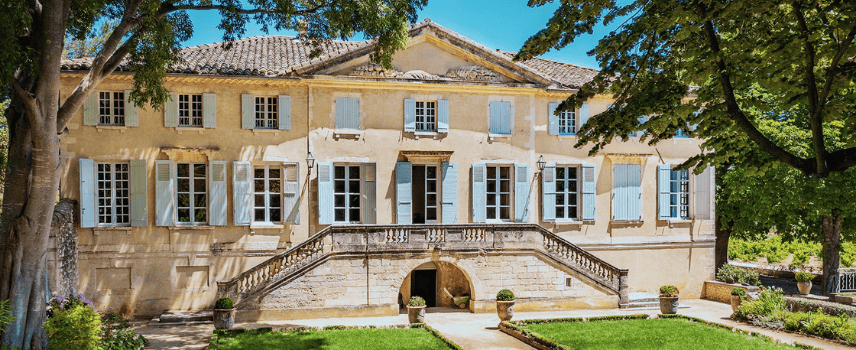
E. Guigal Buys Château d’Aqueria

The esteemed northern Rhône producer E. Guigal has acquired Château d’Aqueria in Tavel, one of the jewels of the southern Rhône. The celebrated maison made the purchase from the de Bez family and the estate spans 242 hectares with 168 under vine. Some 100 acres are in Tavel with the remainder in the neighbouring Lirac appellation.

This isn’t Guigal’s first purchase in the southern Rhône; the maison bought Domaine de Nalys – now Château Nalys – five years ago. It had previously sourced grapes from there over the course of three centuries for its négociant arm.

Château d’Aqueria dates back to 1595, when Louis Joseph d’Aqueria purchased the land for grape growing. The estate has been bought and sold over the centuries and, most recently, Paul de Bez’s sons, Vincent and Bruno, were in charge of it until this new purchase. 

The Tavel appellation lies just across the Rhône river from Châteauneuf-du-Pape and spans some 933 hectares. The region is famous for producing complex and deeply coloured rosé wines from primarily Grenache and Cinsault grapes, with Syrah and Mourvedre supporting. Tavel rosé must have at least 11% alcohol which renders it suitable for ageing.

The estate produces approximately 16,000 cases of wine each year and it will be kept by E. Guigal as a separate domaine, aside from the négociant arm. 

Lirac is gaining more and more interest recently as Châteauneuf-du-Pape lovers look to this region which shares a similar terroir. Producers from Châteauneuf have been buying vineyards here and making more accessibly priced white and red wines from old vines. 

Philippe Guigal, winemaker and CEO, said that the team is ‘eager to make its contribution to Château d’Aqueria’ and that its first project will be to ‘drive forward the practice of biological-ecological viticulture, with the help of the existing team at the Château.’ 

Categories
News

Bordeaux En Primeur 2021: Initial Thoughts

The Bordeaux En Primeur 2021 campaign is set to begin this quarter. Critics and the wine trade have descended – in person this year – on the famous French wine region to taste samples of last year’s vintage which will be sold as new releases while the wines are still in barrel.

Performance isn’t just about how good a wine or a vintage is though, growth can be seen across the spectrum. For instance, Château Lafite Rothschild 2013 (Neal Martin, 90 points), is up 110% since release, Carmes Haut Brion 2012 (Antonio Galloni, 94 points) is up 160%.  Younger wines haven’t had the chance to move as far yet, but there are still good numbers to be found: Château Beychevelle 2017 is up 30% and Château Pontet-Canet 2019 45%

Initial Thoughts on the Bordeaux 2021 Vintage

After speaking with winemakers, the négociants who sell the wine, journalists and other members of the trade, the general opinion is that 2021 is a fresh and approachable vintage that’s good quality and that many remarked is similar to other cooler years. WineCap will make a full assessment of it once critics’ scores and release prices are out in the next quarter. 

2021 was a more challenging year than each of the three vintages that preceded it. January started off mild but with some heavy rain. Temperatures were cooler than normal which helped create wines with a fantastic freshness to them with lower alcohol levels. Many producers experienced frosts in April and May. However, some châteaux weren’t affected at all due to their terroir’s elevated topography, as is the case with Pomerol’s Troplong Mondot which had almost no loss of yield. Rain in mid August and September helped promote downy mildew in the vineyard which affected grapes, although this wasn’t a problem for all châteaux. Merlot was the most affected grape as it is an early ripener and is also the most prone to suffer from mildew. This meant that production levels were down, as rigorous sorting in the vineyard allowed only the finest grapes to be used. Many producers on both the Left and Right Bank held off harvesting until as late as possible in the hope of warmer weather to ripen grapes a final bit more. This paid off as those who waited were rewarded with sun and higher temperatures. 

New Technology Helping Create the Best Bordeaux Wines

Producers now have excellent technology at their disposal to help them identify and select the finest grapes possible. In 2021, many châteaux used optical sorting machines that have cameras and/or lasers to determine grapes’ colour, size, structure and chemical composition. Another technique that was employed last year and that is gaining more and more prominence is density sorting. Grapes are bathed in a sugar solution at a sweetness level the winemaker desires. Ripe grapes that meet the desired sugar level sink to the bottom. These methods are enabling winemakers to create fantastic wines even during a challenging vintage. 

Of course, while these machines are gaining more popularity, the hard work begins in the vineyard: taking care of the vines and hand sorting grapes there before further quality control can take place in the winery. Château Pontet-Canet in Pauillac is the posterboy for good vineyard management and – in particular – biodynamic practices as it retained most of its yield in 2021 as it was prepared for inclement weather.  

2021 appears to be continuing a trend of fresher wines that are approachable earlier, while still having the potential to be able to age for decades to come.

Left Bank Bordeaux

As with many of the Bordeaux wines we tasted regardless of appellation, the Left Bank producers were happy with their wines, despite not having been able to make as much of them as they’d like. Pessac-Léognan’s Château Haut-Bailly and Saint-Julien’s Château Beychevelle were textbook examples of the 2021 vintage, delivering fantastic freshness, purity of fruit and fine tannins.

Right Bank Bordeaux

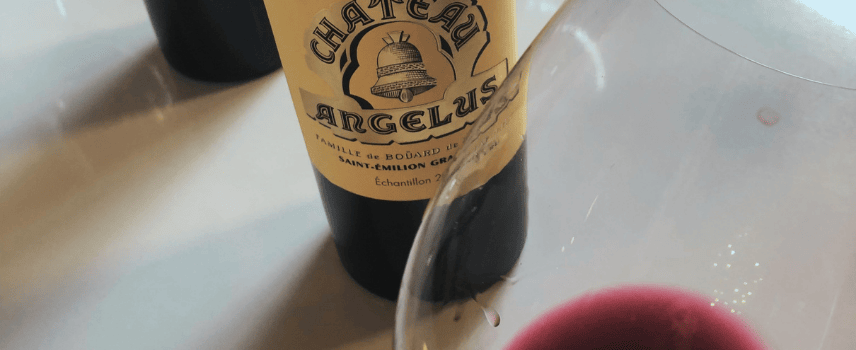
What stood out in Saint-Emilion and Pomerol was the higher percentage of Cabernet Franc used in the 2021 blend, typically with Merlot, as it is a late-ripening grape. Château Angelus’ 2021 Grand Vin contains the highest amount of Cabernet Franc on record: 60%. This gives the wine fantastic freshness and soft tannins. It was a similar story for many producers on the Right Bank, with higher levels of the grape used than usual. 

The Outlook for Bordeaux En Primeur 2021

While we eagerly await the release prices and critics’ scores that will appear during this quarter, the general opinion is that the 2021 vintage has produced fresh, approachable wines that are good quality. With yields down significantly in the case of some châteaux, we can expect there not to be as many bottles released as in previous years. Therefore it’s reasonable to expect that producers won’t be pricing these En Primeur wines at a discount. As always, it’s a question of individual châteaux prices.

Want to keep up-to-date on the Bordeaux 2021 En Primeur campaign? Sign up here to receive the latest news and releases.

Categories
News

Rare Burgundy Auction at Christie’s

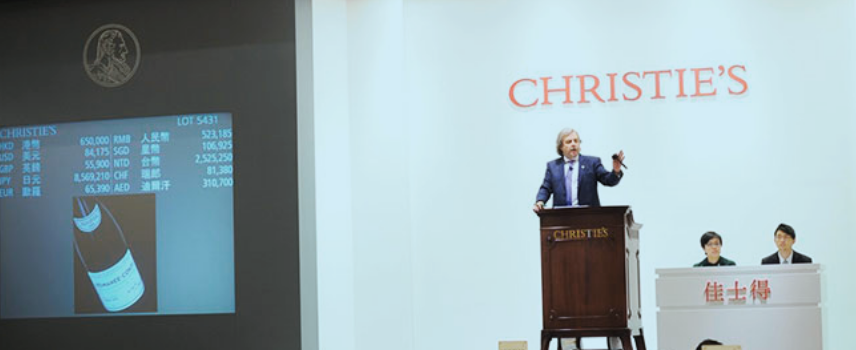
Rare Burgundy wines are set to feature in Christie’s upcoming ‘Luxury Week’ in May and also in its Finest and Rarest Wines and Spirits sale in June. Spring heralds warmer weather, new growth and for one of the world’s most famous auction houses, a series of auctions that include some of the finest wines, watches, jewellery and handbags ever produced.

Christie’s Auction House 

Last year’s sales of luxury items at Christie’s was incredibly successful, topping just over $980m and the highest since 2015. Interestingly, 35% of buyers across all categories were new to the business and 32% of them were millennials, according to Christie’s CEO Guillaume Cerutti. It’s these new buyers that are driving the current buoyancy at the top end of the luxury auction market and that continue to push prices up on rare, collectible wines. What’s more, Christie’s has heavily invested in technology, a move brought about by the pandemic, in order to livestream auctions.  

All eyes will no doubt be focused on the upcoming rare Burgundy auction in June. It’s sure to be a real highlight as all of the 45 lots have been brought above ground from the deep, vaulted cellars of King’s College Cambridge. King’s College is said to have one of the most well respected cellars out of all of the university colleges and a real heritage when it comes to wine as its University Wine Society was founded in 1792. The college bought all of the wines on release from UK importer Richards-Walford and the cases were then moved to the university’s cellars, where they have remained since then. Only four wine stewards have been appointed in the past two centuries and their enviable role is to act as the cellar’s guardians and curate its collection.

A Wine Investor’s Dream

The 45 lots are set to feature rare Burgundies from such highly sought-after producers as Henri Jayer and his nephew Emmanuel Rouget, who is now the proprietor of some of Jayer’s most famous vineyards. Wines from these producers are expected to hail from such revered appellations as Echézeaux and Vosne-Romanée Cros Parantoux. Bids are sure to reach eye-wateringly high amounts for stand-out wines from a region that has tiny production levels.

Speaking about the upcoming auction, Adam Bilbey, Christie’s Global Head of the Wine and Spirits Department commented: “The hallowed cellars of King’s College, Cambridge are steeped in such history and tradition that this sale will garner the imagination and attention of wine lovers around the world. This small glimpse into the King’s College cellar will most certainly be a highlight of Christie’s wine sales this season”.

Want to find out more about rare Burgundy wine? Download our Burgundy report and discover why the region and its producers’ wines command some of the world’s highest prices.

Categories
News

The Champagne Brands Driving Price Growth

Champagne looks set to capitalise on its excellent 2021 performance. Last year was fantastic for Champagne brands as sales figures for the category rocketed beyond pre-pandemic levels. Over 350 million bottles were exported worldwide last year and the appetite for French bubbles – synonymous with luxury, indulgence and good times – gained the most ground in the US which has now surpassed the UK (37.4%) as the largest export market by volume (39.1%). 

This price growth can be attributed to two things: restaurants, nightclubs and bars reopening worldwide, as well as ultra high net worth collectors focusing their attention on the category. With less supply available, prices surged.

The sky was the limit for Champagne in 2021 as it ended the year up 40% and at a record high level. 2022 looks incredibly promising for the category too as it’s up 9.6% so far this year. 

Louis Roederer Cristal Rosé

Prestige Champagne brands were the key price drivers in 2021 and the headline acts with the top performance were highly sought-after names including Louis Roederer Cristal (with high demand across the 2008, 2012, 2013 and 2014 vintages). Interestingly, the most traded wine by value was the 99 point scoring Louis Roederer Cristal Rosé 2012 as the market for rosé Champagne expands. Other Grande Marques with top billing were the ultra-premium Salon (2007, 2006 and 2002 vintages), as well as Taittinger’s Comtes de Champagne 2006 and Dom Pérignon’s Rosé 2005.

Non-Vintage Champagne

However, it wasn’t just vintage Champagne that sparkled. The trade of non-vintage (NV) Champagne also broke new ground and made up the most-traded part of the category. The market has also broadened with NV Champagne’s trade share up from 5.1% in 2018 to 17.6% in 2021.

With such impressive performance in 2021 as well as in Q1 this year, there’s no doubt that Champagne has now cemented its place in the secondary market for fine wine. What’s more, there is no other region where the top wines are still this affordable. Savvy investors who hold top Champagne know just how approachable this category is, when compared to the most prestigious Burgundies, top Napa wines and the very best of Bordeaux.

Want to find out more about investing in Champagne? Read WineCap’s in-depth analysis in our Champagne Report.

Categories
News

Spring Frosts in Bordeaux

Bordeaux wine producers braced themselves this week as temperatures dropped as low as -7℃ in certain areas. It’s the second year in a row that the region has experienced Spring frosts and the coldest temperatures for this season since 1947. As châteaux try to ward off the frost that can wreak havoc on their entire crop, we’ve taken a closer look at how it impacts vines and what producers can do to try and combat it.

Frost and Wine: How Does it Affect Vines?

Spring frosts happen when cold air below 0℃ collects at ground level and freezes any water that has settled on surfaces. If this happens to new buds that have burst it kills them. The impact of this is huge and can impact the vintage yield significantly.

Vineyard Frost Protection

There are several ways that wine producers can try to combat frost in the vineyard. One popular and traditional method in French winemaking regions is the use of ‘bougies’, literally ‘candles’ in French, but more often ‘burners’, using old oil drums. They are placed throughout the vineyard to generate heat which helps the air to circulate and prevents the cold air from settling and causing the frost.

Wind machines are more common in areas that are prone to frosts. They act as large fans with a heating element inside and aim to keep the temperature at ground level above freezing. You might have even seen photos of some producers using helicopters above the vineyards in order to circulate the air!

Sprinklers are also used to spray water onto the vines. As the water freezes around the green tissue, it releases some heat which gives vines just enough protection to fight off the frost. 

One Bordeaux producer who has fought frost with 100% success using another method this year is Liber Pater in the Graves region on the Left Bank. Owner ​​Loic Pascquet no longer bottles his wines adhering to the AOC system which has strict production requirements. Instead, he chooses to bottle his wines as ‘Vin de France’ and is free to use frost nets in the vineyard, something that AOC classified producers are not permitted to do. Frost nets cost half the price of burners and are also reusable.

The Impact on the 2022 Vintage

While we don’t know just yet the full impact the Spring frosts may have had in Bordeaux, it’s likely that yields will be down. With less fruit available to make the wines, the amount of the 2022 vintage released on the market could be drastically reduced, meaning that the global demand for Bordeaux would struggle to be satisfied.


Categories
News

Welcome to WineCap

Hello, we’re WineCap and we’ve changed our name from Westgarth Wine Investments to give it a bit of a refresh, invested more in our technology, streamlined the new site and have added extra features that benefit our visitors. You can now schedule a free 30-minute consultation with one of our investment experts. We’ve also created the Academy which is a hub of online resources.

New Name. Same Team.

We’re still the same independently-owned company and team who’ve been proud to serve you for the past ten years and who will continue to offer expert investment advice for the next chapter of your wine journey.

Do I Need to do Anything?

You don’t need to take any action. Your online details remain the same, there are no changes to the wines you hold or where they’re stored and you can phone the same people using the usual number.

What’s New?

You’ll see our updated branding on our new website. We’ve also launched the WineCap Academy where you can learn more about the producers you invest in, stay up-to-date on what’s been happening in the market and get the low-down on everything in the wine investment sector. What’s more, you can expect new quarterly reports in order to stay informed with market trends.

So, a big ‘hello’ and ‘welcome’ from all of the team here at WineCap and we’re excited about this new phase of our wine investment journey together.

Categories
News

Top 10 most expensive wines in the world

Wine has captivated collectors for centuries – not just for its flavour and artistry, but for its ability to increase in quality and value over time. For many enthusiasts, this has made fine wine one of the world’s most compelling collectible assets.

In recent years, the most expensive bottles of fine wine have evolved into global luxury assets in their own right. Record-breaking sales at Sotheby’s and Christie’s, particularly from Burgundy and Bordeaux, have drawn the attention of collectors across Europe, the United States, and Asia. The fine wine market has proven remarkably resilient, often outperforming traditional investment sectors during periods of volatility. As more investors and collectors explore alternative assets, interest in understanding what drives the value of the world’s rarest bottles has grown rapidly.

But what is the most expensive wine on earth? And why are some bottles worth more than luxury cars – or even homes? In this guide, we explore the top 10 most expensive wines in the world, breaking down their prices, regions, rarity, and what makes a single bottle so valuable.

Ten of the world’s most expensive wines

The wines featured below have achieved legendary status in the world of fine wine – not only because of their craftsmanship, but also due to the unique stories and circumstances that have shaped their value. From minuscule production levels to historic vintages and iconic vineyard sites, each bottle reflects centuries of winemaking heritage and a global appetite for rarity.

Domaine Georges & Christophe Roumier, Musigny Grand Cru

Producer: Domaine Georges & Christophe Roumier

Average price: £13,595

Wine type: Red

Grape: Pinot Noir

Region: Burgundy, France

Domaine Roumier is one of Burgundy’s most revered producers, responsible for some of the region’s most expensive wines. Its Musigny Grand Cru – grown on exceptional limestone soils in the Côte de Nuits – offers remarkable finesse and longevity. As a Grand Cru, Burgundy’s highest classification, this wine is treasured for its age-worthiness, rarity, and ability to command high auction prices.

Production levels from Musigny are extremely limited, and the vineyard’s old vines contribute to the wine’s intensity and depth. Collectors value Roumier for its consistency across vintages and its meticulous approach to viticulture, both of which drive sustained demand and premium pricing.

Château Margaux

Producer: Château Margaux

Price: $225,000 (gained by insurance reimbursement in America)

Wine type: Red

Grape: Bordeaux blend

Region: Bordeaux, France

A bottle of this wine, created in 1787, was said to be a part of Thomas Jefferson’s personal collection.

A wine trader called William Sokolin later acquired it and took it to a dinner in Bordeaux, where the waiter knocked it off the table and smashed the bottle. Sokolin was later reimbursed with $225,000 by his insurance company, but the bottle was originally thought to be worth $500,000. Château Margaux is also a consistent producer of top-performing Cabernet Sauvignon-led blends, reinforcing its status as a pillar of fine wine investment.

Classified as a First Growth in the historic 1855 Classification, Château Margaux’s reputation spans centuries. Pre-phylloxera bottles such as the 1787 are exceptionally rare, making them prized artefacts of wine history. Provenance plays a major role in the value of such wines, and Jefferson-linked bottles remain some of the most sought-after in the world.

Domaine Leroy, Musigny Grand Cru

Producer: Domaine Leroy

Average price: £31,691

Wine type: Red

Grape: Pinot Noir

Region: Burgundy, France

Founded in 1868 by wine merchant François Leroy, the Domaine (vineyard) is now owned by Lalou Bize-Leroy, who also owns Domaine d’Auvenay.

This dry red wine is produced from Pinot Noir grapes and is farmed biodynamically. This ethical approach to farming provides nutrients to the plants by using their own composting measures, as opposed to using chemical fertilisers. Although more labour-intensive, this approach produces high-quality fruit and is better for the environment.

Domaine Leroy’s wines are often considered on par with, or even superior to, those of Domaine de la Romanée-Conti, both making wines from prestigious communes such as Vosne-Romanée. Micro-production levels mean only a few barrels are produced each year, resulting in extremely limited global availability. This scarcity, combined with critical acclaim, contributes significantly to its exceptionally high market value.

Krug Vintage Brut Champagne

Producer: Krug

Price: Sold for £14,800

Wine type: Sparking wine

Grape: Champagne

Region: Champagne, France

Krug is one of Champagne’s most renowned houses, producing some of the region’s most sought-after and expensive wines.

At a Hong Kong wine auction in 2009, the 1928 Krug Vintage Brut set a record as the most expensive Champagne ever sold at the time. Its combination of rarity, craftsmanship, and historical prestige make it a pinnacle of sparkling wine collecting.

Older Champagne vintages like 1928 are incredibly rare because sparkling wine is typically consumed young. Bottles that survive nearly a century in pristine condition gain immense value. Krug’s long ageing process on lees, combined with its dedication to complexity and structure, makes its older vintages particularly collectible.

Screaming Eagle Sauvignon Blanc

Producer: Screaming Eagle

Average price: £4,610

Wine type: White

Grape: Sauvignon Blanc

Region: Oakville, USA

Although not the most expensive wine on the list, this is one of the most expensive white wines from the North Coast of the United States.

As one of Napa Valley’s original “cult wines,” Screaming Eagle produces extremely limited quantities, often fewer than 1,000 cases per year. While known primarily for its Cabernet Sauvignon, its Sauvignon Blanc has become one of the most expensive white wines in the world, driven by rarity and intense demand.

Screaming Eagle’s allocation list is famously difficult to join, with waiting lists spanning years. This exclusivity fuels secondary-market prices, as collectors compete for the winery’s rarest bottles. Napa Valley’s rise as a luxury wine region has further elevated Screaming Eagle’s iconic status.

Domaine Leflaive, Montrachet Grand Cru

Producer: Domaine Leflaive

Average price: £12,430

Wine type: White

Grape: Chardonnay

Region: Burgundy, France

Montrachet is considered the best white wine vineyard in the world, with bottles often dominating top 10 most expensive wine lists. Domaine Leflaive’s Grand Cru Chardonnay – barrel-fermented and known for citrus, hazelnut, and buttery richness – remains a benchmark of Burgundy craftsmanship.

Leflaive’s plots in Montrachet sit on prime limestone-rich soils, offering exceptional drainage and mineral expression. With only a very small portion of the already tiny Montrachet vineyard under its control, Leflaive produces minuscule quantities of this wine each year, contributing significantly to its rarity.

Liber Pater

Producer: Liber Pater

Average price: The 2015 variety had an average price of £27,500

Wine type: Red

Grape: Bordeaux blend

Region: Bordeaux, France

Liber Pater produces some of the most expensive wines in the world. This vintage wine was created in 2015, and due to its very low production numbers and the use of grapes from ungrafted vines, it has become a true collector’s item.

Liber Pater aims to recreate the taste of pre-phylloxera Bordeaux by using nearly extinct grape varieties and traditional winemaking techniques. The estate produced just 550 bottles in 2015, making it one of the lowest-production wines in Europe. Its experimental approach attracts collectors seeking something truly singular.

Château d’Yquem

Producer: Château d’Yquem

Price: Sold for £75,000

Wine type: Dessert

Grape: Semillon & Sauvignon Blanc

Region: Sauternes, France

As the only Premier Cru Supérieur in the 1855 Classification, Château d’Yquem has no rivals in the world of sweet wine. The 1811 vintage – one of its most celebrated – sold for £75,000 and was recognised by Guinness World Records as the most expensive standard bottle of white wine ever sold at auction. The wine bottle is said to be on display in Mr Vanneque’s restaurant in Bali, protected by bulletproof glass.

Château d’Yquem benefits from a unique microclimate that encourages the development of noble rot, allowing the estate to produce extraordinarily concentrated and long-lived wines. Many vintages of Yquem can age for over a century, which further enhances its allure among collectors.

Domaine Leroy, d’Auvenay Chevalier-Montrachet Grand Cru

Producer: Domaine d’Auvenay (part of Domaine Leroy)

Average Price: £23,439

Wine Type: White

Grape: Chardonnay

Region: Burgundy, France

Another masterpiece from Lalou Bize-Leroy, this ultra-rare Grand Cru comes from a tiny four-acre estate. Minuscule yields and perfect craftsmanship make it one of the top 10 most expensive wines in the world.

In certain vintages, only one or two barrels of this wine are produced, placing it among the most limited-production white wines in existence. The combination of terroir precision, strict biodynamic principles, and extremely low output fuels exceptionally high prices.

Egon Müller, Scharzhofberger Riesling Trockenbeerenauslese

Producer: Egon Müller

Average Price: £12,147

Wine Type: Dessert

Grape: Riesling

Region: Mosel, Germany

Egon Müller is synonymous with world-class Riesling. Their Trockenbeerenauslese – made from individually selected botrytised berries – is among the most expensive dessert wines globally, often achieving record prices at international wine auctions.

TBAs are among the rarest and most labour-intensive wines to produce, requiring hand-picking berry by berry. Egon Müller consistently commands the highest Riesling prices in the world, with some vintages selling for tens of thousands of pounds on release.

What makes wine so expensive?

When examining the world’s most expensive wines, several factors consistently influence rarity and price:

1. Reputation and provenance

Producers like Domaine de la Romanée-Conti, Lafite Rothschild, and Krug have global reputations for exceptional quality. Strong brand prestige pushes demand upward – especially when paired with historical significance.

2. Critical acclaim

Fine wine critics such as Robert Parker and major publications like Wine Spectator influence global pricing. High scores often trigger strong interest at wine auctions, driving prices even higher.

3. Ageing potential

Investment-grade wines improve dramatically with age. A wine built for long-term cellaring – such as Bordeaux blends or Grand Cru Burgundy – will usually appreciate in value.

4. Scarcity

Rarity is the backbone of luxury pricing. Limited-production wines, low-yield vineyards, or single-parcel bottlings make wines more exclusive. When only a single bottle or a few hundred bottles exist, demand can skyrocket.

5. Historical or cultural importance

Bottles owned by notable figures (e.g., Thomas Jefferson) or from legendary vintages often become priceless artifacts.

Valuation is also influenced by condition and storage history. Wines stored in professional, temperature-controlled cellars command higher prices, while bottles with damaged labels, signs of leakage, or poor provenance may lose significant value. Auction houses play a major role in establishing price benchmarks, and the presence of original wooden cases, wax seals, or château documentation can increase a bottle’s desirability.

Why invest in fine wine?

Fine wine is a powerful alternative investment because:

  • it has low correlation with global stock markets

  • values tend to rise steadily over time

  • supply naturally decreases as bottles are consumed

  • the category has historically remained more stable than gold or real estate

  • prestige wines retain global demand regardless of economic cycles

Fine wine is also considered tax-efficient in several regions, further increasing its appeal for investors seeking long-term growth without excessive tax burdens. Its global nature – traded actively in London, New York, Hong Kong, and Singapore –provides a diverse base of demand. Historically, fine wine has demonstrated resilience during economic downturns, making it an attractive hedge against inflation and uncertainty.

For collectors, investing also provides the joy of building a cellar filled with some of the most extraordinary wines ever created.

Your wine investment journey starts here

WineCap gives you access to some of the world’s most investible wine allocations. Once your preferences are understood, you gain access to a broad portfolio of investment-grade wines, stored in secure government-bonded facilities.

We don’t charge a management fee and our brokerage charges are very low, so you have access to rare wines at a fair price.

Whether you are looking to begin your portfolio with classic investment wines like First Growth Bordeaux or are exploring ultra-rare bottles such as Domaine Leroy, WineCap provides expert guidance at every stage. Our team can help ensure proper storage, verify provenance, and identify the strongest long-term performers in the market, giving you confidence as you build your wine investment portfolio.

To start your wine investment journey, schedule a consultation with one of our experts.
Categories
News

Our Top List of Tuscan Wines for Investment

Italian wine is increasingly becoming hot property when it comes to wine investment. Last year was one of the category’s strongest when it came to trades, with an increase of 7%. Tuscany also performed remarkably well and, because of this, we have put together a list of Tuscan wines that are highly respected, built to age for years and that are leading the charge when it comes to investment grade wine.

The classic ‘Super Tuscans’ – including producers such as Solaia, Ornellaia and Tignanello (all having increased in trades in 2020 by 15%, 10% and 9% respectively) – began making incredible wines in the 1960s and 70s. These producers created standout wines using Bordeaux grape varieties and paved the way for others who are now gaining more and more recognition using other grape varieties, including Sangiovese.

Tua Rita is widely regarded as the producer who spearheaded the second wave of Super Tuscans, with its flagship wine Redigaffi. Like some of the greatest things in life, Redigaffi was created entirely by accident. In 1984, Rita Tua and her husband Virgilio moved to the quiet Etruscan coast to retire and cultivate wines for fun. Years later, and with 30 hectares of Merlot under vine, Redigaffi is now considered one of Tuscany’s finest wines that commands respect. This wine continues to gain momentum and we believe it would make an excellent investment option for those wanting to diversify their portfolio.

Second on our list of Tuscan wines is the top-flight Chianti producer Fontodi. Keeping a steady hand on the tiller at the Fontodi estate are Marco and Giovanni Manetti who have been making its predominantly Sangiovese-based wines since 1979. Their vision, expertise and commitment to quality continue to reap rewards: Fontodi’s Flaccionella della Pieve 2017 was one of last year’s top ten most-traded Tuscan wines & in the top 15 most-traded Italian wines. It represents a great diversification into a wine investment category that’s accelerated in the past 12 months.

Biondi Santi is one of the old, traditional Tuscan wine estates whose pioneering work propagating the Biondi Santi Brunello di Montalcino clone of Sangiovese cemented it as one of the region’s legendary producers. As perhaps the greatest expression of Brunello di Montalcino, this 100% Sangiovese wine aged for at least 36 months in oak is built to last for decades, if not longer. With the Riserva 2012 having all three ingredients that we would expect to appreciate: a historic brand, immense ageing potential and one of their highest ever scores – 97 points – it offers excellent value compared to top tier wines from other regions.

If you want to find out more about investing in Italian wines – and the growing Tuscan category in particular – schedule a free consultation with one of our investment experts.

Categories
News

Asian Buyers make up 65% of the World’s Total Drinks Buyers

Asian buyers now make up 65% of the total wine and spirits buyers in the world. That’s according to Sotheby’s 2020 Wine Market Report. Asia’s demand for the world’s finest wines looks set to grow too, as 2020 was the second highest percentage on record for Asian buyers, after 68% in 2019.

There are multiple factors that can be attributed to Asia’s growing market share of the total wine and spirits market. The Coronavirus pandemic had a direct impact on drinking habits last year. Unable to visit restaurants and bars, China’s wealthy citizens began opening bottles of some of the finest wines from their cellars at home.

An international travel ban and lockdowns across China also meant that those who usually would have travelled abroad on holiday, opted instead to spend their money on buying top wines such as Domaine de la Romanée-Conti: a producer that represented 20% of all wine sales at Sotheby’s last year. However, while Bordeaux and Burgundy producers still make up the top ten names in Sotheby’s annual producer rankings, Asian buyers are looking further afield to regions such as Napa, in order to discover new wines such as Harlan Estate, Sine Qua Non and Colgin Cellars.

The future for wine imports into Asia, particularly into China, looks very promising. 2.25m nine-litre cases were imported into China in 2006 compared with a colossal 50.5m cases in 2019. Although there was a slight drop in the number of cases imported in the past two years, the trend for increased wine consumption looks set to continue. This is due to a combination of wine enthusiasts having opened bottles from their cellars during lockdown, as well as the disruption caused to supply chains to mainland China by the Hong Kong riots having ended.

As more and more Chinese cities open up – such as Shanghai – on-trade sales of fine wine are beginning to blossom, as consumers celebrate the easing of lockdown restrictions. With such strong figures from Sotheby’s recent report, all eyes remain firmly fixed on Asia with big expectations for this wine market that shows huge potential for growth.

Categories
News

Invest in Wine with Confidence now that we have a Brexit Deal

Investing in wine is more straightforward now we have a deal

Ever since the UK voted to leave the European Union in 2016, trade talks and negotiations between the two sides had been full of uncertainty, posturing and brinkmanship which at times made it feel like a deal was unobtainable. So, the news that a trade deal – now ratified by the UK Parliament – had been struck on Christmas Eve in 2020 was met with welcome relief across all industry sectors on both sides of the Channel and especially by those looking to invest in wine.

1. The costly VI-1 import documentation for UK and EU wines is no longer going to be introduced in July as previously planned. Taking its place will be a straightforward Wine Import Certificate which asks for basic producer and product information. This means far less admin and fees for wine importers, which in turn means no extra costs will be passed on to customers.

2. Crucially, wines will not have to undergo lab assessment for the new Wine Import Certificate. Submitting wines for lab analysis would have caused backlogs of wines which would have created frustrating shipment delays.

3. While UK wine importers are going to have to get to grips with new processes and forms over the coming months, this is just part of the anticipated bedding-in period which will become second nature as time goes on and as new processes are established.

With the previous uncertainty around Brexit having disappeared with the end of the transition period and with the years to come looking as though they’ll mirror previous years of healthy returns for fine wine, contact us to speak to one of our advisors about creating your portfolio to invest in wine.