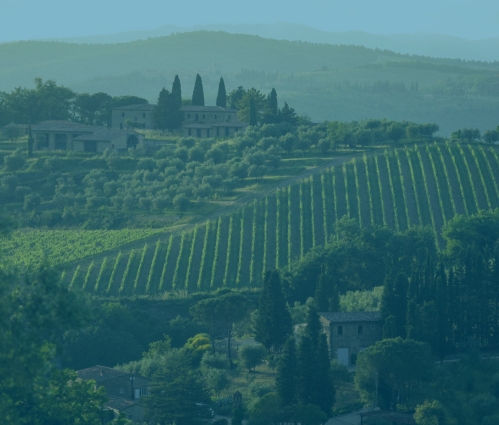
- Vineyard investment is a hybrid asset that combines real estate with an agricultural business.
- Investing in a vineyard is more costly and less liquid than investing in wine, as it requires running a business.
- Entry points vary from multi-million pound estates to smaller crowdfunding projects.
Many people dream of owning a sun-drenched vineyard, imagining rows of vines and cool, quiet cellars. However, the reality of vineyard investment is a major financial commitment that goes beyond land and estate ownership, and requires active farming.
This type of investment is very different from “treasure assets” like fine wine. When you buy a bottle of vintage Champagne, you own a finished product. When you buy a vineyard, you own a business.
How to evaluate the profitability of investing in a vineyard?
Buying a vineyard means you are investing in two things at once. First, you are buying agricultural land. This land often holds its value well over time and may come with tax advantages. In famous regions like Bordeaux or Burgundy, viable vineyard land is a scarce and valuable resource.
Second, you are starting or buying a business, which needs staff, machinery, sales and marketing plan. You must manage the vines, process the grapes, and sell the wine. This dual nature makes the investment unique but also very demanding.
Tax planning for vineyard investment
Tax planning can make a vineyard investment much more attractive for a family and help reduce the financial burden of passing land to children or heirs.
- United Kingdom: You may qualify for Business Property Relief. This can reduce your Inheritance Tax bill to zero for the vineyard business.
- France: Owners can receive a 75% discount on wealth tax and gift tax. This requires a formal commitment to the land for many years.
- Italy: Agricultural entrepreneurs often enjoy lower income tax on their farm profits. This helps cash flow while the vineyard is becoming profitable.
Government policies usually aim to protect domestic food and drink production. This makes farmland a useful tool for financial planning. However, you should always speak to a local expert before you invest.
Investing in a vineyard vs investing in wine
Investing in wine is a popular way to grow wealth. It is relatively simple. You buy a case, store it in a bonded warehouse, and wait for the price to rise. This is a “passive” investment in a luxury good.
By contrast, vineyard investment is “active.” It is also less liquid; you can sell a case of wine in days or weeks but selling a whole estate can take years. There is also a high concentration risk: if you own one vineyard and frost hits, you lose your whole crop. The uncertainty of farming is always present, and it can be a precarious investment, even in good times. Meanwhile, if you own a diverse portfolio of wine bottles, one bad vintage does not hurt you, in fact it might even raise the price of the bottles you already own.
Scale of vineyard investments
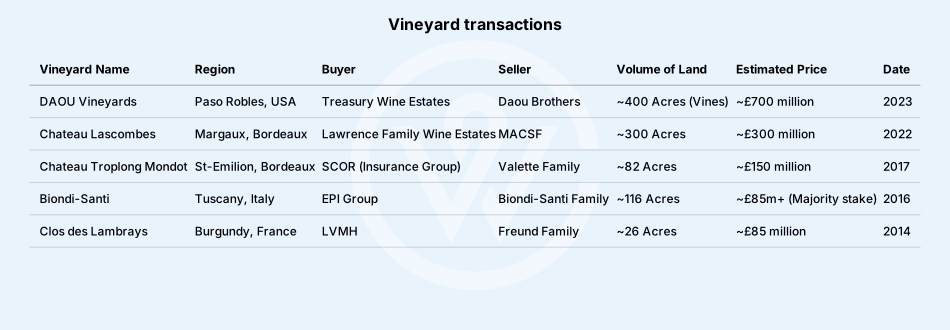
The cost of entry depends on your goals and your budget. At the top end, global luxury groups like LVMH or Treasury Estates set the pace. LVMH famously bought the Clos des Lambrays estate in Burgundy for a price reported to be around £85 million. More recently, Treasury Estates purchased DAOU in California for nearly £700 million.
For these giants, the goal is brand prestige and securing rare supply. Companies like this have the capital to wait decades for a return, whereas most private investors look for smaller opportunities and a speedier return. However, even a modest estate in a good region can set you back millions.
At the other end of the scale are small urban projects. In Brighton, some vineyards have used crowdfunding to get started allowing local people to own a tiny “share” of a vineyard for a few hundred pounds.
The role of crowdfunding
Crowdfunding has become popular in the UK wine scene. Chapel Down is a great example of this having raised more than £12 million from thousands of small investors via crowdfunding efforts and more from sales of equity. Crowdfunders are often incentivised with perks like discounts and tour invites.
This model builds a loyal community of customers, however, there are downsides. Investors often have very little control over the business and it can also be very hard to sell these small shares later.
Vineyard revenue streams and production
A vineyard makes money in several ways. The most obvious is selling wine to shops and restaurants, although many estates also sell direct to consumers either at the “cellar door” in person or through e-commerce. This offers much higher profit margins as there is no middleman and has become increasingly important in recent years.
Some vineyards also sell their grapes to other producers. This provides a quicker cash flow but lower profits. In many regions, tourism is the secret to success. This might include:
- Tasting room fees
- Guided vineyard tours
- Luxury accommodation
- Hosting weddings and events
Vineyard operating costs
Running a vineyard is expensive. Labour is a major cost, with operations like pruning and harvesting by hand requiring skilled workers. In countries like France or the UK, wages are relatively high which can put pressure on the profit margins.
Machinery is another important factor. Tractors, presses, and fermentation tanks are vital. You also have the cost of oak barrels, bottles, and labels. These costs will vary dramatically by country. For example, land is cheaper in Argentina, but import taxes on equipment can be very high.
Production metrics
Investors must watch their production metrics closely. Yield is measured in tonnes per hectare and while a high yield means more wine, it can often mean lower quality. Premium estates often limit their yield to ensure the grapes are concentrated and flavourful, which raises the price of the final product.
The bottle price is a key metric for profit. To break even, you must sell your wine for more than it cost to grow and make. This sounds simple, but marketing a new brand is a huge and costly task.
The climate factor
Agriculture is always at the mercy of the weather and is arguably the biggest risk for any vineyard owner. Climate change is making this risk harder to manage, especially in the context of frequent extreme weather events like:
- Late spring frosts
- Heavy summer hail
- Long periods of drought
- Wildfires and smoke taint
In some years, an owner might lose 80% of their crop in a single night. This financial risk is why many vineyards struggle to stay profitable. While insurance is available, it is becoming more expensive as risks rise.
Financial considerations
Beyond the weather, there are wider financial risks. Interest rates can affect the cost of loans for machinery and changes in trade laws or wine taxes can hurt sales. The wine market is also prone to trends: if consumers move away from a certain style, your inventory may lose value.
The investment timeline
Vineyard investment is a long game. If you plant a new vineyard, even after years of preparation and research, the timeline looks like this:
- Years 1 to 2: Site prep, planting and building production facilities. No income.
- Year 3: The first “maiden” crops, typically lower in volume and quality.
- Year 5: The first full harvest. Still ageing in the cellar.
- Years 7 to 10: The brand begins to find its place in the market.
Profitability often takes a decade or more. If you buy an existing estate, the timeline is shorter; however, the purchase price will be much higher because you are paying for the work someone else has already done.
The exit strategy
Exiting a vineyard investment is also a slow process. Unlike stocks, you cannot sell at the click of a button: finding a buyer for a specific estate takes time. Most buyers will be other wine groups or wealthy individuals looking for a lifestyle change.
A lifestyle choice first
This brings us to the core of vineyard investment. Most people do it for the love of the land. They want to be part of a tradition. They enjoy the prestige of having their name on a label.
As a financial asset, it is often less efficient than a simple portfolio of stocks or bonds. The “return” is often found in the quality of life. It is the joy of seeing the seasons change and sharing your own wine with friends.
Investing in a vineyard is a bold move, with high costs and a lot of patience required. It is a productive business that needs constant attention and care.
If you want a steady financial return, stick to wine bottles. If you want to change your life and connect with nature, a vineyard is unmatched. Just ensure you enter the market with your eyes wide open to the risks.
WineCap’s independent market analysis showcases the value of portfolio diversification and the stability offered by investing in wine. Speak to one of our wine investment experts and start building your portfolio. Schedule your free consultation today